
Outside the USA? Contact us for international shipping rates.

9 Foods That May Help Remove Microplastics From the Body

Chitosan Science Research, applications and technical insight

Microplastics in food are now unavoidable researchers estimate we swallow tens of thousands of particles a year. The better question is what to put on the plate that helps your body move them back out.

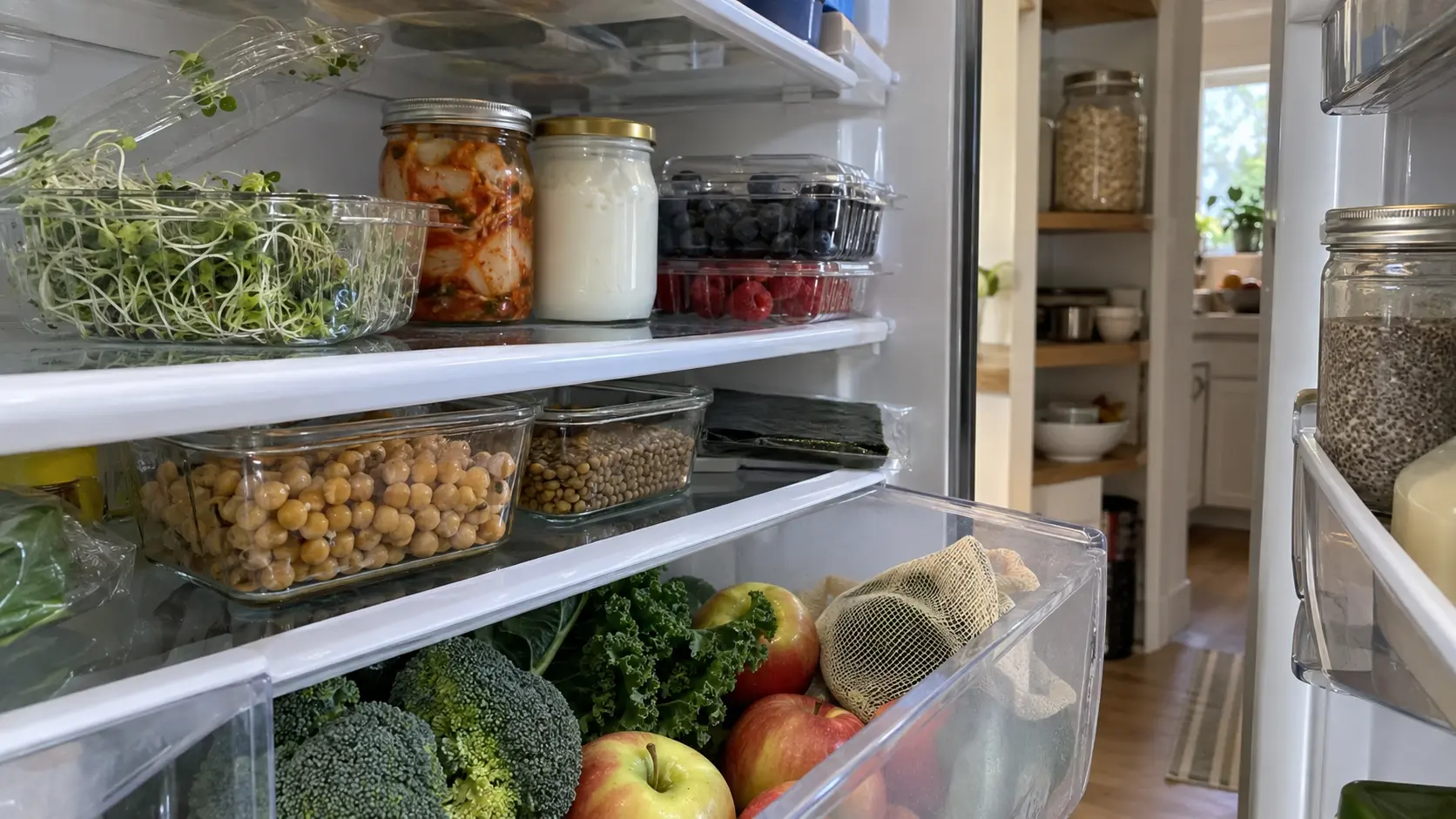
Early research points to a set of foods with two useful traits: fibers that bind particles in the gut, and compounds that support the body’s cellular cleanup systems. Below are the nine strongest candidates, what the science actually shows for each, and how to use them practically.

Quick Answer

The best-studied candidates: broccoli sprouts (sulforaphane tested in a 2025 human pilot), oats and seaweed (viscous fibers that support gut clearance), apples (pectin), and legumes, chia, and flax (soluble fiber). No food has been clinically proven to remove microplastics in humans but these are the ones with real mechanisms behind them, not marketing.

First, How Food Could Even Remove Microplastics

Two mechanisms, and every food below works through one of them:

Gut binding and transit. Particles you swallow can bind to certain fibers and exit with digestive waste within days. The more binding surface and transit speed, the less time particles spend in contact with your gut. (This is also the logic behind the only supplement with a direct microplastic excretion study — chitosan.)
Cellular cleanup support. Certain plant compounds activate the body’s own recycling and defense pathways, the systems studied in early microplastic research.

What no food can do: pull particles out of tissue or organs. Anyone promising that has outrun the research. The overview of how microplastics enter the body through food and water explains the exposure side this list is defending against.

The 9 Foods, Ranked by Evidence

1. Broccoli Sprouts — the Sulforaphane Leader

Broccoli sprouts carry up to 100 times the sulforaphane precursor of mature broccoli. A 2025 human pilot study reported that sulforaphane stimulated cellular pathways associated with releasing microplastic-associated particles from cells the most direct human data any food-related compound currently has. Add a handful to salads or blend into smoothies; heat destroys the enzyme that activates sulforaphane, so keep them raw.

2. Oats — Beta-Glucan Fiber

Oats deliver beta-glucan, a viscous soluble fiber that slows digestion, feeds gut bacteria, and adds binding surface in the digestive tract. As a daily staple, oats are the easiest fiber win on this list and the transit-supporting role of fiber is the baseline every protocol agrees on.

3. Seaweed — Alginates and Marine Fiber

Brown algae contain alginate, a soluble marine fiber with documented binding behavior toward various compounds. Seaweed is a staple of diets with distinct gut-health profiles, and alginates are studied industrially for binding things you would rather not keep in the body. Nori sheets in soups, wakame in salads small amounts count.

4. Apples — Pectin

Apples are the most-cited “food that removes microplastics” in recent media coverage, and the reason is pectin: a gel-forming soluble fiber that adds binding texture to the gut contents and feeds beneficial bacteria. An apple with skin (where most fiber lives) is the practical dose.

5. Legumes — Beans, Lentils, Chickpeas

The densest everyday source of soluble fiber, with the added benefit of feeding the gut microbiome that manages the digestive tract’s clearance speed. Three or more servings a week is the pattern associated with the healthiest transit in dietary research.

6. Chia and Flax Seeds

Both form a gel in the gut — that gel is the soluble-fiber binding matrix in action while flax adds lignans and omega-3s. One tablespoon, soaked, covers the day.

7. Green Tea — Catechins

Green tea catechins are studied for cellular defense and antioxidant activity relevant to the second mechanism above. It is a support habit, not a removal tool but it replaces plastic-brewed or plastic-bagged alternatives, which earns it a spot. (Many tea bags shed particles into the cup loose leaf in steel mesh solves that.)

8. Fermented Foods — Yogurt, Kefir, Kimchi, Sauerkraut

A fast, well-functioning gut clears everything bound particles included faster. Fermented foods support the microbiome that governs that speed, and fermented dairy plus fiber combinations are the pattern in gut-transit research.

9. Berries — Polyphenols and Anthocyanins

Anthocyanins (the pigments in blueberries, blackberries, raspberries) are studied for anti-inflammatory and cellular-defense activity. They also carry modest fiber. The rationale is support, not binding — think of berries as rounding out the cleanup team.

What Fiber Actually Removes Microplastics? (The Honest Answer)

If you are asking “what fiber removes microplastics” specifically: research attention has concentrated on fibers with charge or binding behavior, not generic roughage.

Chitosan — the only dietary fiber with a published microplastic excretion study (Nature portfolio, 2025, animal model). Its positive charge binds negatively charged plastic particles. As a food, chitosan does not exist; as a supplement it is the mechanism-relevant choice — see the full evidence review and excretion research.
Viscous soluble fibers (oat beta-glucan, pectin, alginate) plausible general binding and transit support.
Insoluble fiber (whole grains, skins) speeds transit, the simpler half of the job.

Practical takeaway: eat the nine foods above for the baseline, and use a quality chitosan supplement with meals if you want the fiber with direct evidence. The buyer’s checklist shows what to look for: 99% purity, high DDA, mushroom origin, published third-party COA.

The simplest way to add the evidence-backed fiber

Microplastic Protect delivers 99% pure mushroom-derived chitosan vegan, shellfish-free, third-party tested in a dose designed for your two largest meals. See how the timing works →

A Simple “Detox Plate” Day

Meal

Microplastic-aware plate

Breakfast

Oatmeal + berries + ground flax; green tea (loose leaf)

Lunch

Big salad with broccoli sprouts, chickpeas, apple on the side

Dinner

Vegetable stir-fry with nori strips, lentil base, kimchi side

With 2 main meals

Chitosan supplement, as directed

Stack these on top of the exposure-reduction habits from the microplastic detox protocol food helps most when intake is falling at the same time.

Frequently Asked Questions

Which foods remove microplastics from the body?

The candidates with actual mechanisms: broccoli sprouts (sulforaphane, human pilot study), viscous fibers like oats, seaweed alginate, and apple pectin, plus general fiber foods. No food is clinically proven to remove microplastics in humans these are the evidence-ranked options.

What fiber removes microplastics?

Chitosan is the only fiber with a published microplastic excretion study. Oat beta-glucan, pectin, and alginate are plausible support fibers studied for binding and transit.

Can food alone detox microplastics?

Food supports the body’s natural excretion the pathway that clears most swallowed particles within days. For meaningful support, combine fiber-rich meals with reduced plastic exposure; the two work together.

Is sulforaphane really proven for microplastics?

It has one small human pilot study showing cellular activity promising but early. Broccoli sprouts are the cheapest, safest way to get it.

Do I still need a supplement if I eat these foods?

Most people’s diets deliver a fraction of the fiber research uses, and none of the foods provide chitosan the fiber with direct microplastic evidence. A meal-timed, quality-verified supplement covers that gap; see what to look for.

Food cannot vacuum microplastics out of your body but the nine foods above earn their place through real mechanisms: binding fibers, transit support, and cellular cleanup compounds. Build meals around them, cut the heated-plastic contact, and if you want the one fiber with a direct study behind it, chitosan with meals is the evidence-aligned addition.

Evidence before action?

Start with what the science says about removing microplastics, or go straight to Microplastic Protect the 99% pure mushroom chitosan built around the excretion research. Money-back guaranteed.

These statements have not been evaluated by the Food and Drug Administration. This product is not intended to diagnose, treat, cure, or prevent any disease.

Sources & Further Reading

Nature portfolio (2025) — Ingesting chitosan can promote excretion of microplastics
PMC / NIH — Antioxidant intervention against microplastic hazards (cellular pathways)
Rapamycin News (2025) — Sulforaphane stimulates cells to dump microplastics: human pilot coverage
Food & Wine — Your best defense against microplastics might already be in your kitchen
People (2025) — This popular food was found to remove microplastics (pectin coverage)
UC Davis Health — Microplastics: 10 easy ways to reduce your exposure

Technical Consultation

Need Help Applying Chitosan to Your Project?

Speak with our technical team about product selection, formulation, origin, molecular weight, DDA, samples, documentation, bulk pricing and commercial supply.

Product Selection Technical Guidance Sample & Bulk Support
Free Initial Discussion

Book a Consultation

Select a convenient time to discuss your application and purchasing requirements.

9 Foods That May Help Remove Microplastics From the Body

9 Foods That May Help Remove Microplastics From the Body

Microplastics in food are now unavoidable researchers estimate we swallow tens of thousands of particles a year. The better question is what to put on the plate that helps your body move them back out.

Early research points to a set of foods with two useful traits: fibers that bind particles in the gut, and compounds that support the body’s cellular cleanup systems. Below are the nine strongest candidates, what the science actually shows for each, and how to use them practically.

Quick Answer

The best-studied candidates: broccoli sprouts (sulforaphane tested in a 2025 human pilot), oats and seaweed (viscous fibers that support gut clearance), apples (pectin), and legumes, chia, and flax (soluble fiber). No food has been clinically proven to remove microplastics in humans but these are the ones with real mechanisms behind them, not marketing.

First, How Food Could Even Remove Microplastics

Two mechanisms, and every food below works through one of them:

Gut binding and transit. Particles you swallow can bind to certain fibers and exit with digestive waste within days. The more binding surface and transit speed, the less time particles spend in contact with your gut. (This is also the logic behind the only supplement with a direct microplastic excretion study — chitosan.)
Cellular cleanup support. Certain plant compounds activate the body’s own recycling and defense pathways, the systems studied in early microplastic research.

What no food can do: pull particles out of tissue or organs. Anyone promising that has outrun the research. The overview of how microplastics enter the body through food and water explains the exposure side this list is defending against.

The 9 Foods, Ranked by Evidence

1. Broccoli Sprouts — the Sulforaphane Leader

Broccoli sprouts carry up to 100 times the sulforaphane precursor of mature broccoli. A 2025 human pilot study reported that sulforaphane stimulated cellular pathways associated with releasing microplastic-associated particles from cells the most direct human data any food-related compound currently has. Add a handful to salads or blend into smoothies; heat destroys the enzyme that activates sulforaphane, so keep them raw.

2. Oats — Beta-Glucan Fiber

Oats deliver beta-glucan, a viscous soluble fiber that slows digestion, feeds gut bacteria, and adds binding surface in the digestive tract. As a daily staple, oats are the easiest fiber win on this list and the transit-supporting role of fiber is the baseline every protocol agrees on.

3. Seaweed — Alginates and Marine Fiber

Brown algae contain alginate, a soluble marine fiber with documented binding behavior toward various compounds. Seaweed is a staple of diets with distinct gut-health profiles, and alginates are studied industrially for binding things you would rather not keep in the body. Nori sheets in soups, wakame in salads small amounts count.

4. Apples — Pectin

Apples are the most-cited “food that removes microplastics” in recent media coverage, and the reason is pectin: a gel-forming soluble fiber that adds binding texture to the gut contents and feeds beneficial bacteria. An apple with skin (where most fiber lives) is the practical dose.

5. Legumes — Beans, Lentils, Chickpeas

The densest everyday source of soluble fiber, with the added benefit of feeding the gut microbiome that manages the digestive tract’s clearance speed. Three or more servings a week is the pattern associated with the healthiest transit in dietary research.

6. Chia and Flax Seeds

Both form a gel in the gut — that gel is the soluble-fiber binding matrix in action while flax adds lignans and omega-3s. One tablespoon, soaked, covers the day.

7. Green Tea — Catechins

Green tea catechins are studied for cellular defense and antioxidant activity relevant to the second mechanism above. It is a support habit, not a removal tool but it replaces plastic-brewed or plastic-bagged alternatives, which earns it a spot. (Many tea bags shed particles into the cup loose leaf in steel mesh solves that.)

8. Fermented Foods — Yogurt, Kefir, Kimchi, Sauerkraut

A fast, well-functioning gut clears everything bound particles included faster. Fermented foods support the microbiome that governs that speed, and fermented dairy plus fiber combinations are the pattern in gut-transit research.

9. Berries — Polyphenols and Anthocyanins

Anthocyanins (the pigments in blueberries, blackberries, raspberries) are studied for anti-inflammatory and cellular-defense activity. They also carry modest fiber. The rationale is support, not binding — think of berries as rounding out the cleanup team.

What Fiber Actually Removes Microplastics? (The Honest Answer)

If you are asking “what fiber removes microplastics” specifically: research attention has concentrated on fibers with charge or binding behavior, not generic roughage.

Chitosan — the only dietary fiber with a published microplastic excretion study (Nature portfolio, 2025, animal model). Its positive charge binds negatively charged plastic particles. As a food, chitosan does not exist; as a supplement it is the mechanism-relevant choice — see the full evidence review and excretion research.
Viscous soluble fibers (oat beta-glucan, pectin, alginate) plausible general binding and transit support.
Insoluble fiber (whole grains, skins) speeds transit, the simpler half of the job.

Practical takeaway: eat the nine foods above for the baseline, and use a quality chitosan supplement with meals if you want the fiber with direct evidence. The buyer’s checklist shows what to look for: 99% purity, high DDA, mushroom origin, published third-party COA.

The simplest way to add the evidence-backed fiber

Microplastic Protect delivers 99% pure mushroom-derived chitosan vegan, shellfish-free, third-party tested in a dose designed for your two largest meals. See how the timing works →

A Simple “Detox Plate” Day

Meal

Microplastic-aware plate

Breakfast

Oatmeal + berries + ground flax; green tea (loose leaf)

Lunch

Big salad with broccoli sprouts, chickpeas, apple on the side

Dinner

Vegetable stir-fry with nori strips, lentil base, kimchi side

With 2 main meals

Chitosan supplement, as directed

Stack these on top of the exposure-reduction habits from the microplastic detox protocol food helps most when intake is falling at the same time.

Frequently Asked Questions

Which foods remove microplastics from the body?

The candidates with actual mechanisms: broccoli sprouts (sulforaphane, human pilot study), viscous fibers like oats, seaweed alginate, and apple pectin, plus general fiber foods. No food is clinically proven to remove microplastics in humans these are the evidence-ranked options.

What fiber removes microplastics?

Chitosan is the only fiber with a published microplastic excretion study. Oat beta-glucan, pectin, and alginate are plausible support fibers studied for binding and transit.

Can food alone detox microplastics?

Food supports the body’s natural excretion the pathway that clears most swallowed particles within days. For meaningful support, combine fiber-rich meals with reduced plastic exposure; the two work together.

Is sulforaphane really proven for microplastics?

It has one small human pilot study showing cellular activity promising but early. Broccoli sprouts are the cheapest, safest way to get it.

Do I still need a supplement if I eat these foods?

Most people’s diets deliver a fraction of the fiber research uses, and none of the foods provide chitosan the fiber with direct microplastic evidence. A meal-timed, quality-verified supplement covers that gap; see what to look for.

Food cannot vacuum microplastics out of your body but the nine foods above earn their place through real mechanisms: binding fibers, transit support, and cellular cleanup compounds. Build meals around them, cut the heated-plastic contact, and if you want the one fiber with a direct study behind it, chitosan with meals is the evidence-aligned addition.

Evidence before action?

Start with what the science says about removing microplastics, or go straight to Microplastic Protect the 99% pure mushroom chitosan built around the excretion research. Money-back guaranteed.

These statements have not been evaluated by the Food and Drug Administration. This product is not intended to diagnose, treat, cure, or prevent any disease.

Sources & Further Reading

Nature portfolio (2025) — Ingesting chitosan can promote excretion of microplastics
PMC / NIH — Antioxidant intervention against microplastic hazards (cellular pathways)
Rapamycin News (2025) — Sulforaphane stimulates cells to dump microplastics: human pilot coverage
Food & Wine — Your best defense against microplastics might already be in your kitchen
People (2025) — This popular food was found to remove microplastics (pectin coverage)
UC Davis Health — Microplastics: 10 easy ways to reduce your exposure

Recent Posts

Access this document

Please enter your details to download the file.
Thank you. You can now access the document below.