
Why Dye Removal is a Major Challenge in Wastewater Treatment
Industrial dye pollution is one of the most serious environmental challenges, especially in textile, leather, and chemical industries. Colored wastewater not only affects water quality but also blocks light penetration and harms aquatic life.
Chitosan is widely used in industrial wastewater treatment for dye removal due to its high adsorption capacity, strong flocculation performance, and eco-friendly nature. It is especially effective in textile wastewater systems where synthetic dyes are difficult to remove.
Compared to traditional chemical treatments, chitosan provides better performance with lower environmental impact.
What is Chitosan and Why is it Used for Dye Removal?
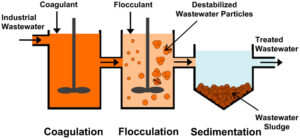
Chitosan is a natural biopolymer derived from chitin with a strong positive charge (zeta potential). This makes it highly effective in binding negatively charged dye molecules in wastewater.
It works through a combination of:
- Electrostatic attraction
- Adsorption mechanism
- Flocculation and sedimentation
This multi-action process makes dye removal highly efficient and reliable in industrial applications.
Why Chitosan is Highly Effective for Dye Removal
Chitosan is considered one of the best solutions for dye removal because:
- Binds strongly with negatively charged dye molecules
- Works effectively on reactive, azo, and synthetic dyes
- Reduces color, COD, and turbidity
- Requires lower dosage compared to chemicals
- Produces significantly less sludge
- Works across a wide pH range
This makes chitosan a superior alternative to traditional chemical treatments.
How Chitosan Removes Dyes from Water
Electrostatic Attraction
Chitosan binds with negatively charged dye molecules through ionic interactions.
Adsorption Mechanism
It adsorbs dye particles onto its surface, removing them from water.
Flocculation & Sedimentation
Forms large flocs that settle quickly, making separation easy.
This combination of adsorption and flocculation ensures high removal efficiency.
Types of Dyes Removed by Chitosan
Chitosan is highly effective against different types of dyes used in industries:
- Reactive dyes
- Acid dyes
- Basic dyes
- Azo dyes
- Synthetic textile dyes
This versatility makes it ideal for textile wastewater treatment systems.
Key Benefits of Chitosan for Dye Removal
- Natural and biodegradable
- Highly effective for textile dyes
- Works at low dosage
- Reduces sludge production
- Non-toxic and environmentally safe
- Improves overall water clarity
Ideal for industries looking for eco-friendly dye removal solutions.
Industrial Applications
Chitosan is widely used across multiple industries:
Textile Industry
Removes synthetic dyes from textile wastewater efficiently.
Leather Processing
Treats colored effluents in leather industries.
Chemical & Dye Manufacturing
Removes dyes from industrial discharge.
Printing & Dyeing Units
Improves wastewater quality before discharge.
Learn how chitosan improves wastewater treatment performance in industrial systems.
Chitosan vs Chemical Dye Removal Methods
| Feature | Chitosan | Chemical Treatment |
|---|---|---|
| Source | Natural | Synthetic |
| Environmental Impact | Low | High |
| Efficiency | High | Moderate |
| Sludge Production | Low | High |
| Toxicity | Non-toxic | Potential risks |
Chitosan vs Chemical Dye Removal in Wastewater Treatment
| Feature | Chitosan | Chemical Treatment |
|---|---|---|
| Source | Natural | Synthetic |
| Environmental Impact | Low | High |
| Efficiency | High | Moderate |
| Sludge Production | Low | High |
| Toxicity | Non-toxic | Potential risks |
Chitosan provides a more sustainable and efficient solution compared to chemical treatments.
Environmental & Sustainability Advantages
Chitosan supports sustainable wastewater treatment by:
- Reducing chemical pollution
- Lowering sludge disposal costs
- Supporting green industrial processes
- Meeting environmental compliance standards
Ideal for industries focusing on ESG and sustainability goals.
Types of Chitosan Used for Dye Removal
- Native chitosan → basic dye removal
- Quaternary chitosan → enhanced performance
- Carboxymethyl chitosan → water-soluble systems
- Chitosan oligosaccharide → high reactivity
Related Topics You Should Explore
- Learn how chitosan improves water treatment efficiency
- Discover eco-friendly dye removal in textile wastewater
- Explore heavy metal removal using natural biopolymers
- Compare chitosan vs alum in water treatment
- Understand natural vs chemical wastewater treatment methods
Looking for Industrial Chitosan for Dye Removal in Wastewater Treatment?
We supply high-quality industrial-grade chitosan for dye removal and wastewater treatment, including:
- High-performance flocculant grades
- Customized solutions for textile industries
- Bulk supply for industrial applications
Suitable for wastewater plants and manufacturers.
Contact us for bulk pricing and technical support.
FAQs – Chitosan for Dye Removal
Is chitosan effective for dye removal?
Yes, chitosan is highly effective due to its strong adsorption and flocculation properties.
What types of dyes can chitosan remove?
Chitosan can remove reactive, azo, acid, and synthetic dyes from wastewater.
Can chitosan replace chemical treatments?
In many cases, yes. It provides better environmental and efficiency benefits.
Is chitosan safe for wastewater treatment?
Yes, chitosan is biodegradable, non-toxic, and environmentally friendly.