
Chitosan for Skin Care – Natural Ingredient for Healthy, Hydrated & Protected Skin
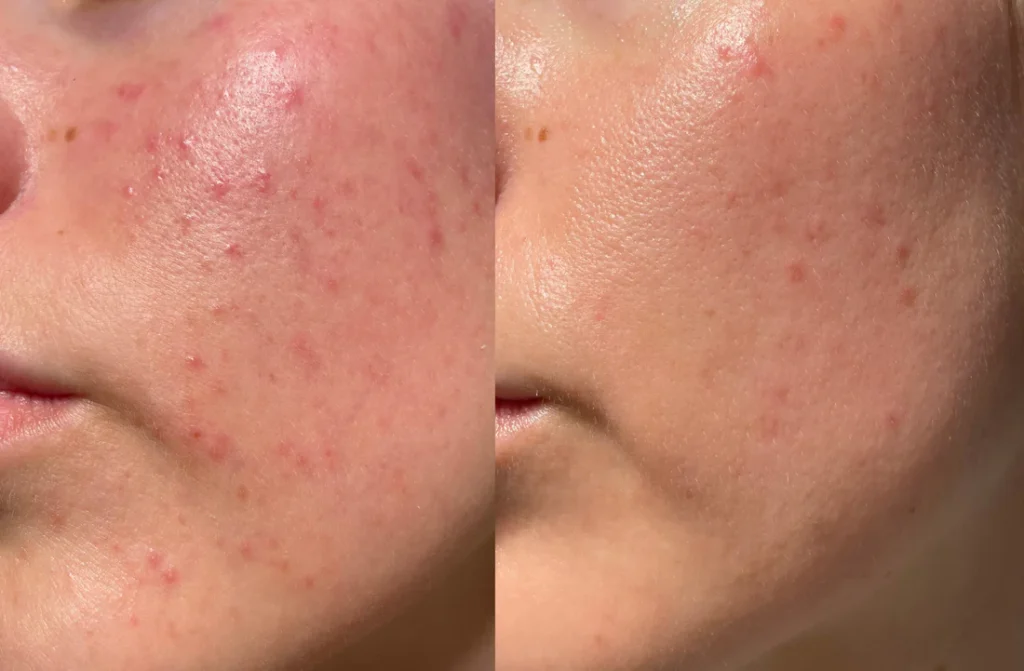
Chitosan is a high-performance natural biopolymer widely used as a functional ingredient in cosmetic and skin care formulations. For manufacturers and formulators, chitosan offers moisturizing, film-forming, and antimicrobial properties, making it ideal for developing advanced, clean-label, and high-performance skincare products. As consumer demand for natural and sustainable cosmetics continues to grow, chitosan is becoming a key raw material in modern cosmetic manufacturing. We supply bulk cosmetic-grade chitosan for skin care manufacturers, including water-soluble and high-performance derivatives. What is Chitosan in Skin Care? Chitosan is a naturally derived biopolymer obtained from chitin, sourced from shellfish or fungal origins. It is widely used in cosmetic formulations, pharmaceuticals, food preservation, and water treatment due to its biocompatibility, biodegradability, and functional versatility. In skincare, chitosan acts as a multi-functional ingredient, enhancing both product performance and skin compatibility. How Chitosan Works in Skin Care Formulation Chitosan functions through its cationic (positively charged) structure, which allows it to interact effectively with the skin surface. This enables it to: Form a breathable protective film on the skin Bind with skin proteins for improved adhesion Lock in moisture and reduce water loss Support a balanced skin microbiome This mechanism makes chitosan highly effective in cosmetic and dermatological formulations. Key Formulation Benefits of Chitosan Improves hydration retention in formulations Enhances texture and spreadability Stabilizes active ingredients Provides natural antimicrobial support Reduces dependence on synthetic additives Why Manufacturers Use Chitosan in Skin Care Production For cosmetic brands and formulators, chitosan provides significant advantages: Enables clean-label and natural product positioning Improves formulation performance and stability Meets increasing regulatory and consumer demands Supports eco-friendly and biodegradable product lines Enhances product differentiation in competitive markets This makes chitosan a strategic ingredient for modern cosmetic manufacturing. Best Types of Chitosan for Skin Care Formulation Manufacturers typically use: Carboxymethyl Chitosan (CMCS) → Water-soluble, ideal for creams and gels Chitosan Oligosaccharide (COS) → High bioactivity and skin absorption Quaternary Chitosan → Strong antimicrobial and conditioning performance These derivatives are widely used in chitosan in cosmetic formulations and advanced skincare products. Chitosan vs Synthetic Ingredients in Skin Care Feature Chitosan Synthetic Ingredients Source Natural Chemical Safety High Moderate Environmental Impact Low High Skin Compatibility Excellent Variable Consumers prefer natural skincare solutions over synthetic ones Applications of Chitosan in Skin Care Products Chitosan is widely used in: Moisturizers and creams Anti-acne formulations Anti-aging products Serums and lotions Face masks and protective coatings It is also used in natural polymer in cosmetics and advanced bio-based formulations. Related Applications of Chitosan Chitosan is a multi-industry biopolymer used in: Chitosan for hair care formulations Natural food preservation solution (chitosan edible coating) Extend shelf life naturally in food systems Chitosan for water treatment applications This highlights its versatility across industries. Bulk Chitosan Supplier for Cosmetic Manufacturers Looking for a reliable chitosan supplier for skin care formulations? We provide: Cosmetic-grade chitosan Carboxymethyl chitosan (water-soluble) Chitosan oligosaccharide Quaternary chitosan ✔ Bulk industrial supply✔ Multiple grades (cosmetic / pharma / industrial)✔ Consistent quality and scalable production✔ Custom formulation support✔ Technical consultation Contact us today for bulk pricing and technical specifications. FAQs Is chitosan used in cosmetic manufacturing? Yes, chitosan is widely used as a functional ingredient in cosmetic formulations due to its moisturizing, antimicrobial, and film-forming properties. Is chitosan safe for skin? Yes, chitosan is biocompatible, non-toxic, and skin-friendly, making it suitable for cosmetic applications. What does chitosan do in skincare? Chitosan helps hydrate, protect, and improve skin texture while supporting the skin barrier. Can chitosan help with acne formulations? Yes, due to its antimicrobial properties, chitosan is commonly used in anti-acne and skin protection products.
Natural Polymer in Cosmetics – The Future of Safe & Sustainable Beauty Ingredients
Natural polymers are transforming the cosmetics industry, and among them, chitosan stands out as a high-performance, multifunctional ingredient. For cosmetic manufacturers and formulators, chitosan provides film-forming, moisturizing, and antimicrobial properties, making it ideal for modern, clean-label, and eco-friendly formulations. As demand for sustainable beauty products continues to grow, chitosan is becoming a key raw material in cosmetic innovation. We supply bulk cosmetic-grade chitosan for cosmetic manufacturers, including water-soluble and high-performance derivatives. What is a Natural Polymer in Cosmetics? A natural polymer in cosmetics is a biodegradable material derived from natural sources such as plants, marine organisms, or fungi. These materials are widely used because they: Improve formulation stability Enhance moisture retention Provide film-forming properties Support active ingredient delivery Among these, chitosan in cosmetic formulations is one of the most versatile and effective options available today. Why Natural Polymers Are Better Than Synthetic Ingredients The cosmetics industry is shifting away from synthetic ingredients due to increasing consumer awareness and regulatory pressure. Natural polymers offer: Better skin compatibility Reduced environmental impact Improved safety profiles Enhanced product performance This shift is driving demand for natural polymer cosmetics and sustainable formulations. Role of Chitosan as a High-Performance Natural Polymer Chitosan is a bio-based polymer derived from chitin and widely used in cosmetic applications due to its multifunctional properties. It acts as: A film-forming agent that protects skin and hair A natural antimicrobial ingredient A moisturizing and conditioning agent A stabilizer for active ingredients A delivery enhancer for cosmetic actives This makes chitosan a core ingredient in advanced cosmetic formulations. Key Formulation Benefits of Chitosan in Cosmetics Improves hydration and moisture retention Enhances product texture and spreadability Stabilizes formulations and active ingredients Provides natural preservation support Reduces reliance on synthetic additives Why Manufacturers Prefer Chitosan in Cosmetics For cosmetic brands and product developers, chitosan offers strategic advantages: Enables clean-label and natural product positioning Supports sustainable and eco-friendly branding Improves product differentiation in competitive markets Helps meet regulatory and safety standards Enhances overall formulation performance This positions chitosan as a high-value raw material for cosmetic manufacturing. Best Chitosan Types Used in Cosmetics Manufacturers commonly use: Carboxymethyl Chitosan (CMCS) → Water-soluble, ideal for creams and gels Chitosan Oligosaccharide (COS) → High bioactivity and absorption Quaternary Chitosan → Strong antimicrobial and conditioning properties These derivatives are widely used in chitosan in cosmetic formulations. Natural Polymers vs Synthetic Polymers in Cosmetics Feature Natural Polymers (Chitosan) Synthetic Polymers Source Natural Petrochemical Safety High Moderate Environmental Impact Low High Biodegradability Yes No Market Trend Growing rapidly Declining Applications of Chitosan in Cosmetics Chitosan is widely used in: Skin care products (creams, serums, lotions) Hair care formulations (shampoo, conditioner) Anti-aging products Acne treatment formulations Protective cosmetic coatings It plays a key role in natural polymer cosmetics and bio-based beauty formulations. Related Applications of Chitosan Chitosan is also used across industries: Chitosan for skin care formulations Chitosan for hair care formulations Natural food preservation solution (edible coating) Chitosan for water treatment applications This highlights its versatility as a multi-industry material. Bulk Chitosan Supplier for Cosmetic Manufacturers Looking for a reliable chitosan supplier for cosmetic formulations? We provide: Cosmetic-grade chitosan Carboxymethyl chitosan (water-soluble) Chitosan oligosaccharide Quaternary chitosan Bulk industrial supplyMultiple grades availableConsistent quality and scalable productionCustom formulation supportTechnical consultation Contact us today for bulk pricing and product specifications. FAQs – Chitosan in Cosmetics What is a natural polymer in cosmetics? A biodegradable material used to improve cosmetic formulations naturally, enhancing performance and safety. Why is chitosan used in cosmetics? Because of its antimicrobial, moisturizing, and film-forming properties, making it highly effective in modern formulations. Is chitosan safe for cosmetic use? Yes, chitosan is biocompatible, non-toxic, and skin-friendly, making it suitable for cosmetic applications. Is chitosan used in cosmetic manufacturing? Yes, chitosan is widely used as a functional natural polymer in cosmetic formulations.
How to Extend Fruit Shelf Life Naturally – Proven Methods for Long-Lasting Freshness
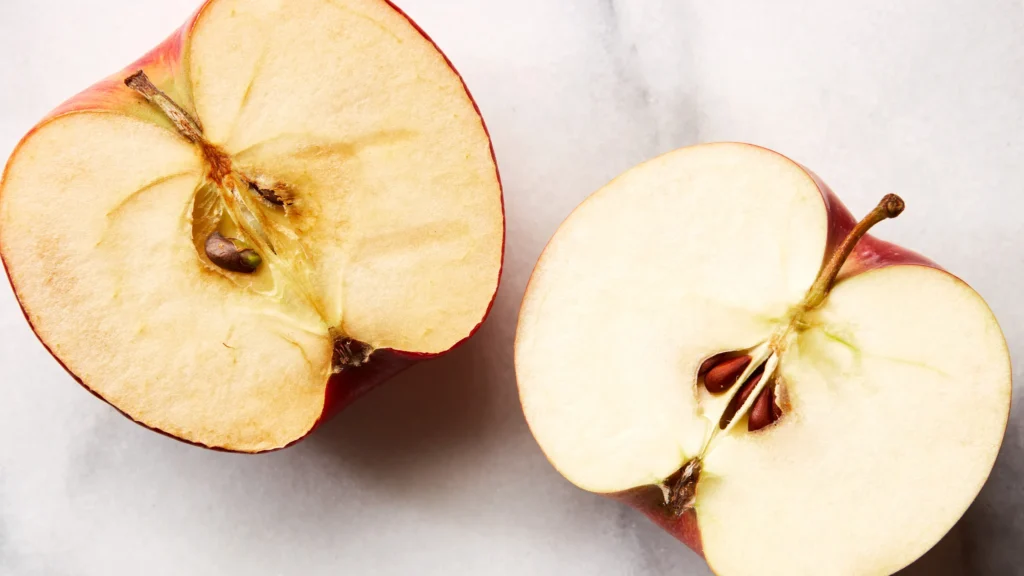
Why Extending Fruit Shelf Life Matters Fresh fruits are highly perishable and can spoil quickly due to microbial growth, moisture loss, oxidation, and physical damage. For farmers, exporters, and food businesses, reducing spoilage is essential to maintain quality and minimize losses. That’s why many industries are now searching for effective ways to extend fruit shelf life naturally without relying on harmful chemicals. Natural preservation methods not only improve storage but also support clean-label, eco-friendly food systems. What Causes Fruits to Spoil Quickly? Fruits deteriorate due to several key factors: Microbial growth (bacteria and fungi) Moisture loss and dehydration Oxidation (browning and nutrient loss) Physical damage during handling and transport Understanding these causes helps in applying the right preservation methods. Best Natural Ways to Extend Fruit Shelf Life 1. Use Natural Edible Coatings One of the most effective solutions is using chitosan edible coating for fruit preservation, which forms a breathable protective layer on fruit surfaces. Reduces moisture loss Slows microbial growth Maintains freshness and texture Widely used in post-harvest treatment and food preservation systems. 2. Control Temperature & Storage Conditions Proper temperature management is critical for extending fruit shelf life: Store fruits at optimal temperatures Use refrigeration for perishable fruits Avoid direct sunlight and heat exposure Temperature control significantly improves storage life. 3. Use Natural Antimicrobial Agents Natural compounds like chitosan act as a chitosan food preservative: Inhibits bacterial and fungal growth Keeps fruits fresh longer Reduces spoilage without chemicals 4. Proper Packaging Techniques Using the right packaging helps maintain fruit quality: Use breathable packaging materials Prevent excess moisture buildup Choose eco-friendly packaging solutions Proper packaging reduces contamination and decay. 5. Reduce Handling Damage Handling plays a major role in shelf life: Handle fruits carefully Avoid bruising and cuts Use proper transportation methods Physical damage accelerates spoilage. Role of Chitosan in Natural Fruit Preservation Chitosan plays a key role in extending fruit shelf life naturally due to its unique properties: Antimicrobial activity Film-forming ability Moisture retention It is widely used in: Chitosan edible coating Shelf life extension systems Food preservation applications Commonly applied to apples, strawberries, mangoes, and other fruits during storage and transport. Natural vs Chemical Preservation Methods Feature Natural Methods (Chitosan) Chemical Methods Safety High Moderate Environmental Impact Low High Consumer Preference High Low Sustainability Strong Weak Natural preservation methods are becoming the preferred choice globally. Key Benefits of Natural Shelf Life Extension Safer for human consumption Eco-friendly and biodegradable Supports organic and clean-label products Reduces food waste Improves supply chain efficiency Ideal for farmers, exporters, and food businesses. Related Topics You Should Explore Chitosan edible coating for food preservation Chitosan shelf life extension solutions Chitosan food preservative applications Chitosan in food industry Looking for Natural Fruit Preservation Solutions? If you are working on fruit preservation or food processing, we provide: Food-grade chitosan Water-soluble chitosan derivatives Bulk supply for industrial applications Ideal for exporters, farmers, and food manufacturers. Contact us for bulk pricing and technical support. FAQs – Fruit Shelf Life Extension What is the best natural way to extend fruit shelf life? Using edible coatings like chitosan along with proper storage conditions. Can natural methods replace chemical preservatives? Yes, natural methods are safer and increasingly preferred in modern food systems. How does chitosan help preserve fruits? Chitosan forms a protective antimicrobial layer that reduces spoilage and maintains freshness. Which fruits benefit most from shelf life extension methods? Apples, bananas, strawberries, mangoes, and citrus fruits benefit significantly.
Chitosan for Dye Removal in Wastewater – Eco-Friendly Textile Treatment Solution
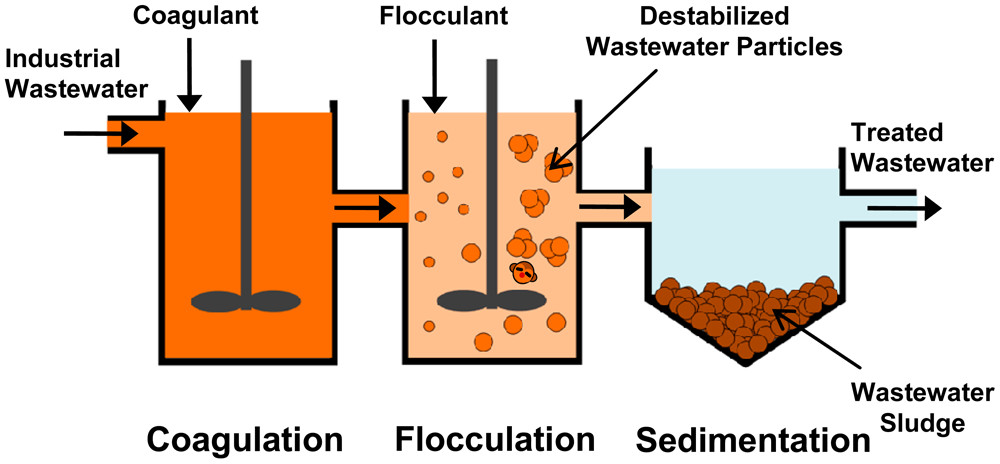
Why Dye Removal is a Major Challenge in Wastewater Treatment Industrial dye pollution is one of the most serious environmental challenges, especially in textile, leather, and chemical industries. Colored wastewater not only affects water quality but also blocks light penetration and harms aquatic life. Chitosan is widely used in industrial wastewater treatment for dye removal due to its high adsorption capacity, strong flocculation performance, and eco-friendly nature. It is especially effective in textile wastewater systems where synthetic dyes are difficult to remove. Compared to traditional chemical treatments, chitosan provides better performance with lower environmental impact. What is Chitosan and Why is it Used for Dye Removal? Chitosan is a natural biopolymer derived from chitin with a strong positive charge (zeta potential). This makes it highly effective in binding negatively charged dye molecules in wastewater. It works through a combination of: Electrostatic attraction Adsorption mechanism Flocculation and sedimentation This multi-action process makes dye removal highly efficient and reliable in industrial applications. Why Chitosan is Highly Effective for Dye Removal Chitosan is considered one of the best solutions for dye removal because: Binds strongly with negatively charged dye molecules Works effectively on reactive, azo, and synthetic dyes Reduces color, COD, and turbidity Requires lower dosage compared to chemicals Produces significantly less sludge Works across a wide pH range This makes chitosan a superior alternative to traditional chemical treatments. How Chitosan Removes Dyes from Water Electrostatic Attraction Chitosan binds with negatively charged dye molecules through ionic interactions. Adsorption Mechanism It adsorbs dye particles onto its surface, removing them from water. Flocculation & Sedimentation Forms large flocs that settle quickly, making separation easy. This combination of adsorption and flocculation ensures high removal efficiency. Types of Dyes Removed by Chitosan Chitosan is highly effective against different types of dyes used in industries: Reactive dyes Acid dyes Basic dyes Azo dyes Synthetic textile dyes This versatility makes it ideal for textile wastewater treatment systems. Key Benefits of Chitosan for Dye Removal Natural and biodegradable Highly effective for textile dyes Works at low dosage Reduces sludge production Non-toxic and environmentally safe Improves overall water clarity Ideal for industries looking for eco-friendly dye removal solutions. Industrial Applications Chitosan is widely used across multiple industries: Textile Industry Removes synthetic dyes from textile wastewater efficiently. Leather Processing Treats colored effluents in leather industries. Chemical & Dye Manufacturing Removes dyes from industrial discharge. Printing & Dyeing Units Improves wastewater quality before discharge. Learn how chitosan improves wastewater treatment performance in industrial systems. Chitosan vs Chemical Dye Removal Methods Feature Chitosan Chemical Treatment Source Natural Synthetic Environmental Impact Low High Efficiency High Moderate Sludge Production Low High Toxicity Non-toxic Potential risks Chitosan vs Chemical Dye Removal in Wastewater Treatment Feature Chitosan Chemical Treatment Source Natural Synthetic Environmental Impact Low High Efficiency High Moderate Sludge Production Low High Toxicity Non-toxic Potential risks Chitosan provides a more sustainable and efficient solution compared to chemical treatments. Environmental & Sustainability Advantages Chitosan supports sustainable wastewater treatment by: Reducing chemical pollution Lowering sludge disposal costs Supporting green industrial processes Meeting environmental compliance standards Ideal for industries focusing on ESG and sustainability goals. Types of Chitosan Used for Dye Removal Native chitosan → basic dye removal Quaternary chitosan → enhanced performance Carboxymethyl chitosan → water-soluble systems Chitosan oligosaccharide → high reactivity Related Topics You Should Explore Learn how chitosan improves water treatment efficiency Discover eco-friendly dye removal in textile wastewater Explore heavy metal removal using natural biopolymers Compare chitosan vs alum in water treatment Understand natural vs chemical wastewater treatment methods Looking for Industrial Chitosan for Dye Removal in Wastewater Treatment? We supply high-quality industrial-grade chitosan for dye removal and wastewater treatment, including: High-performance flocculant grades Customized solutions for textile industries Bulk supply for industrial applications Suitable for wastewater plants and manufacturers. Contact us for bulk pricing and technical support. FAQs – Chitosan for Dye Removal Is chitosan effective for dye removal? Yes, chitosan is highly effective due to its strong adsorption and flocculation properties. What types of dyes can chitosan remove? Chitosan can remove reactive, azo, acid, and synthetic dyes from wastewater. Can chitosan replace chemical treatments? In many cases, yes. It provides better environmental and efficiency benefits. Is chitosan safe for wastewater treatment? Yes, chitosan is biodegradable, non-toxic, and environmentally friendly.
Natural Coagulant for Wastewater Treatment – Eco-Friendly & Efficient Water Purification Solution
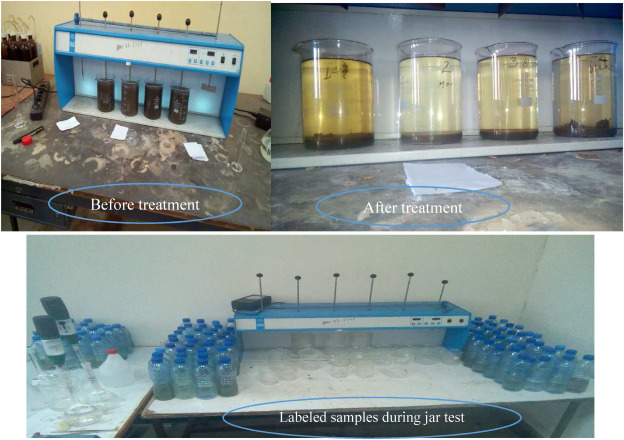
Why Natural Coagulants Are Replacing Chemical Treatment Wastewater treatment is rapidly evolving as industries shift toward safer, more sustainable, and eco-friendly solutions. One of the most effective innovations is the use of natural coagulant for wastewater treatment, especially chitosan-based solutions. Chitosan is one of the most effective natural coagulants for wastewater treatment, widely used for removing suspended solids, heavy metals, dyes, and microplastics from industrial water systems. Traditional chemical coagulants like alum and synthetic polymers are effective but often cause environmental concerns, sludge issues, and chemical residues. In contrast, natural coagulants provide efficient treatment with minimal environmental impact. What is a Natural Coagulant? A natural coagulant is a substance derived from organic or biodegradable materials that helps remove contaminants from water by: Neutralizing suspended particles Binding impurities into flocs Enhancing sedimentation and filtration Common natural coagulants include: Chitosan (most effective biopolymer) Plant-based coagulants Starch and protein-based materials Among these, chitosan stands out due to its superior performance and efficiency. Why Chitosan is the Best Natural Coagulant for Wastewater Treatment Among all natural options, chitosan for wastewater treatment is the most effective because: Strong positive charge (zeta potential) improves particle removal Excellent flocculation efficiency Works effectively across a wide pH range Produces significantly less sludge Requires lower dosage compared to chemicals Completely biodegradable and non-toxic This makes chitosan a high-performance alternative to traditional chemical coagulants. How Natural Coagulants Work in Wastewater Treatment Charge Neutralization Natural coagulants neutralize negatively charged particles, allowing them to bind together. Floc Formation They form larger, denser flocs that settle quickly. Improved Clarification This results in clearer water and efficient removal of contaminants. This mechanism is similar to chemical coagulants but without harmful side effects. Key Benefits of Natural Coagulants Eco-friendly and biodegradable Non-toxic and safe for the environment Lower sludge production Reduced chemical usage Improved water quality Suitable for sustainable industries These advantages make natural coagulants a preferred solution for modern wastewater treatment systems. Applications in Wastewater Treatment Natural coagulants are widely used across different industries: Industrial Wastewater Used in textile, dye, chemical, and manufacturing industries. Heavy Metal Removal Effective in removing toxic metals from contaminated water. Learn how heavy metals can be removed using chitosan-based treatment solutions. Microplastic Removal Captures microplastics in water systems efficiently. Discover microplastic removal methods using natural coagulants. Food Processing Wastewater Used in food and beverage industries for safe treatment. Municipal Wastewater Treatment Supports sustainable urban water management systems. Natural Coagulant vs Chemical Coagulant in Wastewater Treatment Feature Natural Coagulants (Chitosan) Chemical Coagulants Source Natural Synthetic Environmental Impact Low High Sludge Production Low High Toxicity Non-toxic Potentially harmful Efficiency High Moderate Sustainability Excellent Limited Natural coagulants provide a more sustainable and environmentally friendly solution. Advantages of Using Natural Coagulants in Industrial Wastewater Treatment Reduces environmental pollution Meets strict regulatory standards Improves operational efficiency Minimizes sludge disposal costs Supports green chemistry initiatives This makes natural coagulants ideal for industries focusing on sustainability and compliance. Sustainability & Environmental Impact Natural coagulants support: Green chemistry Reduced pollution Sustainable water management Environmental compliance Chitosan aligns perfectly with modern ESG and sustainability goals. Why Industries Are Switching to Natural Coagulants Increasing environmental regulations Demand for eco-friendly solutions Reduced sludge disposal cost Improved water quality standards As industries move toward sustainability, natural coagulants are becoming the preferred choice. Which One Should You Choose? Choose Chemical Coagulants if: Budget is very limited Basic water clarification is required Choose Natural Coagulants (Chitosan) if: You need high efficiency You want eco-friendly treatment You aim to reduce sludge and chemicals You are targeting industrial or export standards For modern systems, chitosan is the better long-term solution. Related Topics You Should Explore Learn how chitosan improves water treatment efficiency Discover heavy metal removal using natural biopolymers Explore microplastic removal solutions for wastewater Compare chitosan vs alum in water treatment Understand natural vs chemical treatment methods Looking for Chitosan-Based Natural Coagulant for Wastewater Treatment? We supply high-quality chitosan for industrial wastewater treatment, including: High-performance flocculant grade Customized molecular weight options Bulk supply for industrial use Ideal for wastewater plants, manufacturers, and environmental solutions. Contact us for bulk pricing and technical support. FAQs – Natural Coagulant for Wastewater Treatment What is the best natural coagulant for wastewater? Chitosan is considered one of the most effective natural coagulants due to its high efficiency and eco-friendly properties. Can natural coagulants replace chemical treatment? Yes, natural coagulants can replace chemical treatments in many industrial and sustainable water systems. Is chitosan safe for water treatment? Yes, chitosan is biodegradable, non-toxic, and safe for environmental applications. Does chitosan reduce sludge? Yes, chitosan produces significantly less sludge compared to traditional chemical coagulants.
Chitosan for Water Treatment – Natural & Efficient Solution for Clean Water
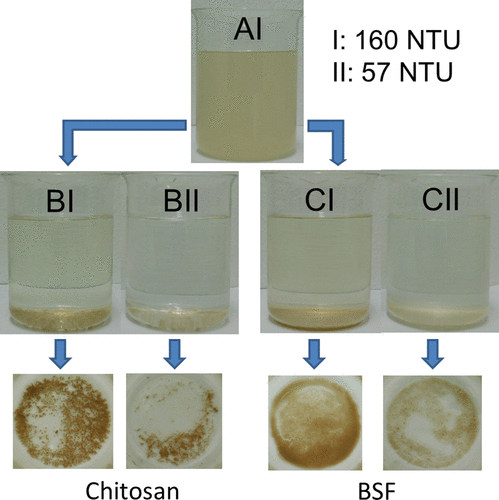
Why Chitosan is Gaining Attention in Water Treatment As industries and environmental agencies search for safer and more sustainable water treatment solutions, chitosan for water treatment is becoming increasingly popular. Unlike traditional chemical coagulants, chitosan is a natural, biodegradable polymer that effectively removes contaminants while reducing environmental impact. This makes it an ideal solution for modern wastewater treatment and water purification systems What is Chitosan and How Does It Work? Chitosan is derived from natural sources and carries a strong positive charge (zeta potential). This allows it to bind with negatively charged contaminants such as: Suspended particles Organic matter Microplastics Heavy metals How it works: Neutralizes particle charges Forms larger flocs Helps contaminants settle quickly This process makes chitosan flocculant water treatment highly efficient. Key Benefits of Chitosan for Water Treatment Natural and biodegradable Non-toxic and environmentally safe Reduces sludge production Works effectively across different pH levels Requires lower dosage than chemicals Improves water clarity These benefits make chitosan for water treatment a strong alternative to chemical solutions. Below is a quick overview of how chitosan is used across different industries. Application Use Case Industry Water Treatment natural flocculant for wastewater treatment Industrial Food chitosan edible coating for food preservation Food Cosmetics chitosan for skin care benefits Beauty Agriculture Biopesticide Farming Medical Drug delivery Healthcare Applications of Chitosan in Water Treatment Industrial Wastewater Treatment Used in textile, chemical, and manufacturing industries to remove pollutants. Heavy Metal Removal Chitosan binds with toxic metals like lead and arsenic. Microplastic Removal Effectively captures microplastics from water systems. Drinking Water Purification Improves water clarity and removes impurities safely. Oil, Dye & Organic Pollutant Removal Used in industrial discharge treatment and environmental cleanup. Chitosan vs Traditional Coagulants Traditional coagulants like alum are widely used, but they have limitations. Why chitosan is preferred: Lower sludge production Reduced chemical dependency Better environmental safety Higher efficiency at lower doses Environmental Advantages Chitosan supports sustainable water treatment practices: Biodegradable material Reduces chemical pollution Supports eco-friendly processes Ideal for industries focusing on environmental compliance Types of Chitosan Used in Water Treatment Native chitosan → general use Quaternary chitosan → enhanced antimicrobial properties Carboxymethyl chitosan → water-soluble applications Chitosan oligosaccharide → high reactivity Each type is selected based on specific treatment needs Related Topics You Should Explore Learn how chitosan works as a natural flocculant in water treatment Discover methods for removing heavy metals using chitosan Explore microplastic removal solutions using biopolymers Read about eco-friendly wastewater treatment alternatives Conclusion Chitosan for water treatment offers a powerful combination of efficiency, safety, and sustainability. As industries move away from traditional chemicals, chitosan provides a natural solution that improves water quality while protecting the environment. It is becoming a key component in next-generation water treatment systems Looking for high-quality chitosan for water treatment or industrial applications? Contact us for bulk supply and wholesale pricing. FAQs – Chitosan for Water Treatment Is chitosan effective for wastewater treatment? Yes, it efficiently removes contaminants and improves water clarity. Can chitosan replace chemical coagulants? In many cases, yes. It provides better environmental and operational benefits. Is chitosan safe for water purification? Yes, it is non-toxic and biodegradable.
Chitosan vs Alum Water Treatment – Which Coagulant is Better for Modern Water Systems?
Natural vs Chemical Water Treatment Water treatment industries are increasingly shifting toward sustainable and efficient solutions, and the comparison between chitosan vs alum water treatment has become a critical topic. While alum (aluminum sulfate) has been widely used as a traditional coagulant, chitosan, a natural biopolymer, is emerging as a superior alternative in many applications. Chitosan is widely studied and used in modern water treatment systems due to its biodegradable and non-toxic properties. But which one is actually better? What is Alum in Water Treatment? Alum (aluminum sulfate) is a chemical coagulant used to: Remove suspended particles Clarify water Reduce turbidity Advantages: Low cost Widely available Proven effectiveness Limitations: Produces large amounts of sludge Alters water pH significantly Potential residual aluminum concerns Requires additional chemical dosing What is Chitosan in Water Treatment? Chitosan is a natural, biodegradable polymer derived from chitin and used as a high-performance flocculant and coagulant. Advantages: Natural and eco-friendly Strong positive charge (zeta potential) enhances particle removal Produces less sludge Works effectively across wide pH ranges Non-toxic and biodegradable This makes chitosan flocculant water treatment highly attractive for modern industries. Chitosan vs Alum – Side-by-Side Comparison Feature Chitosan Alum Source Natural (biopolymer) Chemical (aluminum sulfate) Environmental Impact Eco-friendly Chemical residue Sludge Production Low High pH Adjustment Minimal Significant Toxicity Non-toxic Potential concerns Efficiency High (low dose needed) Moderate Cost Slightly higher upfront Lower upfront Conclusion: Chitosan offers better performance and sustainability, while alum is cheaper but less eco-friendly. How Chitosan Works Better Than Alum Charge Neutralization & Floc Formation Chitosan has a strong positive charge that binds effectively with negatively charged contaminants. Polymer Bridging Mechanism It creates larger, denser flocs, which settle faster compared to alum. Lower Chemical Dependency Unlike alum, chitosan often reduces the need for additional chemicals. Applications Where Chitosan Outperforms Alum Industrial wastewater treatment Food and beverage processing Microplastic removal systems Heavy metal removal Oil and dye wastewater treatment Especially useful where eco-friendly compliance is required Why Industries Are Switching to Chitosan Increasing environmental regulations Demand for sustainable solutions Reduced sludge disposal cost Improved water quality standards Chitosan aligns with green chemistry and sustainability goals Which One Should You Choose? Choose Alum if: Budget is very limited Basic water clarification is required Choose Chitosan if: You need high efficiency You want eco-friendly treatment You aim to reduce sludge and chemicals You are targeting industrial or export standards For modern systems, chitosan is the better long-term solution Related Applications Explore how chitosan works as a natural flocculant in water treatment Learn how heavy metals can be removed using chitosan-based solutions Discover eco-friendly microplastic removal methods Understand natural coagulants for wastewater treatment Looking for Chitosan for Water Treatment? We supply industrial-grade chitosan for water treatment applications, including: High-performance flocculant grade Customized molecular weight options Bulk supply for industrial use Ideal for wastewater plants, manufacturers, and environmental solutionsConsistent quality and scalable production Contact us for bulk pricing and technical support FAQs – Chitosan vs Alum Water Treatment Is chitosan better than alum? Yes, in most cases, chitosan provides higher efficiency, lower sludge, and better environmental safety. Why is alum still used? Alum is cheaper and widely available, making it suitable for basic applications. Is chitosan safe for water treatment? Yes, it is biodegradable, non-toxic, and safe for environmental use. Which is safer for drinking water? Chitosan is safer due to non-toxic nature Does chitosan reduce sludge? Yes, significantly less sludge than alum