
Why Natural Coagulants Are Replacing Chemical Treatment
Wastewater treatment is rapidly evolving as industries shift toward safer, more sustainable, and eco-friendly solutions. One of the most effective innovations is the use of natural coagulant for wastewater treatment, especially chitosan-based solutions.
Chitosan is one of the most effective natural coagulants for wastewater treatment, widely used for removing suspended solids, heavy metals, dyes, and microplastics from industrial water systems.
Traditional chemical coagulants like alum and synthetic polymers are effective but often cause environmental concerns, sludge issues, and chemical residues. In contrast, natural coagulants provide efficient treatment with minimal environmental impact.
What is a Natural Coagulant?
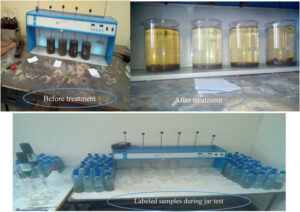
A natural coagulant is a substance derived from organic or biodegradable materials that helps remove contaminants from water by:
- Neutralizing suspended particles
- Binding impurities into flocs
- Enhancing sedimentation and filtration
Common natural coagulants include:
- Chitosan (most effective biopolymer)
- Plant-based coagulants
- Starch and protein-based materials
Among these, chitosan stands out due to its superior performance and efficiency.
Why Chitosan is the Best Natural Coagulant for Wastewater Treatment
Among all natural options, chitosan for wastewater treatment is the most effective because:
- Strong positive charge (zeta potential) improves particle removal
- Excellent flocculation efficiency
- Works effectively across a wide pH range
- Produces significantly less sludge
- Requires lower dosage compared to chemicals
- Completely biodegradable and non-toxic
This makes chitosan a high-performance alternative to traditional chemical coagulants.
How Natural Coagulants Work in Wastewater Treatment
Charge Neutralization
Natural coagulants neutralize negatively charged particles, allowing them to bind together.
Floc Formation
They form larger, denser flocs that settle quickly.
Improved Clarification
This results in clearer water and efficient removal of contaminants.
This mechanism is similar to chemical coagulants but without harmful side effects.
Key Benefits of Natural Coagulants
- Eco-friendly and biodegradable
- Non-toxic and safe for the environment
- Lower sludge production
- Reduced chemical usage
- Improved water quality
- Suitable for sustainable industries
These advantages make natural coagulants a preferred solution for modern wastewater treatment systems.
Applications in Wastewater Treatment
Natural coagulants are widely used across different industries:
Industrial Wastewater
Used in textile, dye, chemical, and manufacturing industries.
Heavy Metal Removal
Effective in removing toxic metals from contaminated water.
Learn how heavy metals can be removed using chitosan-based treatment solutions.
Microplastic Removal
Captures microplastics in water systems efficiently.
Discover microplastic removal methods using natural coagulants.
Food Processing Wastewater
Used in food and beverage industries for safe treatment.
Municipal Wastewater Treatment
Supports sustainable urban water management systems.
Natural Coagulant vs Chemical Coagulant in Wastewater Treatment
| Feature | Natural Coagulants (Chitosan) | Chemical Coagulants |
|---|---|---|
| Source | Natural | Synthetic |
| Environmental Impact | Low | High |
| Sludge Production | Low | High |
| Toxicity | Non-toxic | Potentially harmful |
| Efficiency | High | Moderate |
| Sustainability | Excellent | Limited |
Natural coagulants provide a more sustainable and environmentally friendly solution.
Advantages of Using Natural Coagulants in Industrial Wastewater Treatment
- Reduces environmental pollution
- Meets strict regulatory standards
- Improves operational efficiency
- Minimizes sludge disposal costs
- Supports green chemistry initiatives
This makes natural coagulants ideal for industries focusing on sustainability and compliance.
Sustainability & Environmental Impact
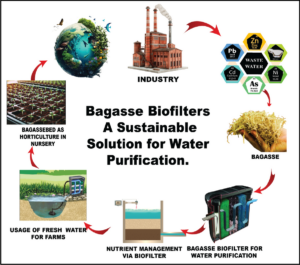
Natural coagulants support:
- Green chemistry
- Reduced pollution
- Sustainable water management
- Environmental compliance
Chitosan aligns perfectly with modern ESG and sustainability goals.
Why Industries Are Switching to Natural Coagulants
- Increasing environmental regulations
- Demand for eco-friendly solutions
- Reduced sludge disposal cost
- Improved water quality standards
As industries move toward sustainability, natural coagulants are becoming the preferred choice.
Which One Should You Choose?
Choose Chemical Coagulants if:
- Budget is very limited
- Basic water clarification is required
Choose Natural Coagulants (Chitosan) if:
- You need high efficiency
- You want eco-friendly treatment
- You aim to reduce sludge and chemicals
- You are targeting industrial or export standards
For modern systems, chitosan is the better long-term solution.
Related Topics You Should Explore
- Learn how chitosan improves water treatment efficiency
- Discover heavy metal removal using natural biopolymers
- Explore microplastic removal solutions for wastewater
- Compare chitosan vs alum in water treatment
- Understand natural vs chemical treatment methods
Looking for Chitosan-Based Natural Coagulant for Wastewater Treatment?
We supply high-quality chitosan for industrial wastewater treatment, including:
- High-performance flocculant grade
- Customized molecular weight options
- Bulk supply for industrial use
Ideal for wastewater plants, manufacturers, and environmental solutions.
Contact us for bulk pricing and technical support.
FAQs – Natural Coagulant for Wastewater Treatment
What is the best natural coagulant for wastewater?
Chitosan is considered one of the most effective natural coagulants due to its high efficiency and eco-friendly properties.
Can natural coagulants replace chemical treatment?
Yes, natural coagulants can replace chemical treatments in many industrial and sustainable water systems.
Is chitosan safe for water treatment?
Yes, chitosan is biodegradable, non-toxic, and safe for environmental applications.
Does chitosan reduce sludge?
Yes, chitosan produces significantly less sludge compared to traditional chemical coagulants.