
Sustainable Water Treatment: The Role of Mushroom-Derived Chitosan in Achieving Cost-Effective Drinking-Water
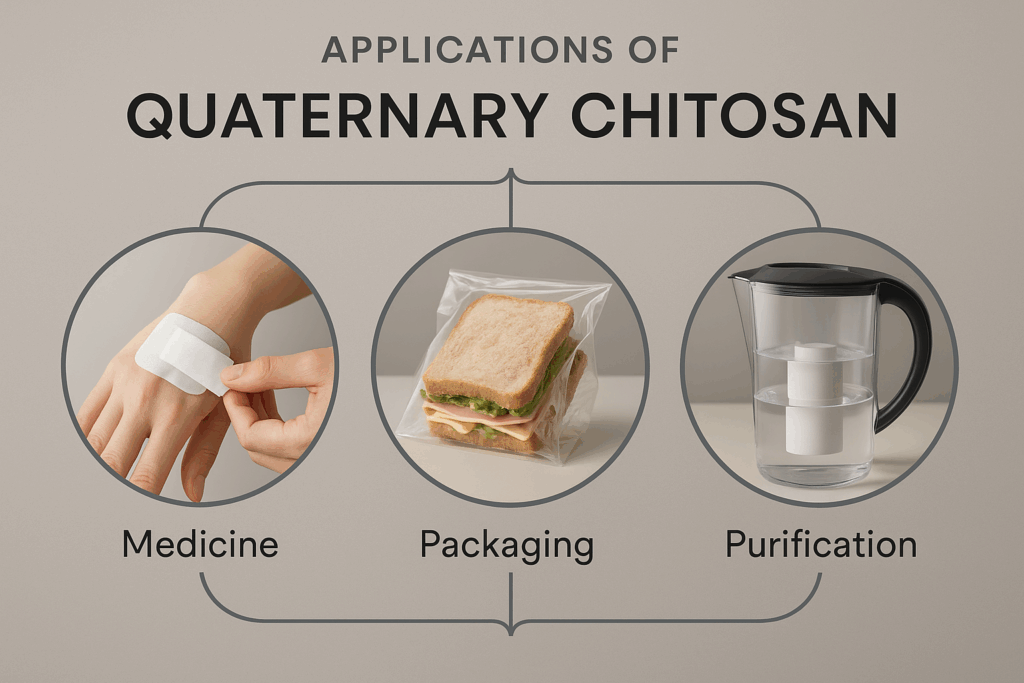
Mushroom-derived Chitosan for Water Treatment Mushroom chitosan is a natural biopolymer extracted from the cell walls of fungi. It’s derived from chitin, a structural component that gives mushrooms their rigidity and form. Origin and Abundance Chitin is the second most abundant natural polysaccharide in nature, after cellulose. Most fungi contain 5%-7% chitin in their cell walls. Chitin is also found in the exoskeletons of crustaceans (crabs, shrimp, lobsters) and insects. Pronunciation Guide Chitin: Pronounced “KITE-in” (emphasis on “kite”) Deacetylation: Pronounced “dee-a-SETTLE-ay-shun” (emphasis on “dee”) Acetyl: Pronounced “A-see-tl” (emphasis on “see”) Chemical Structure and Properties Chitosan is obtained through a process called deacetylation of chitin. This involves: Removing acetyl groups (CH3OH) from the chitin molecule Creating a polymer with free amine groups (NH2) This chemical transformation gives chitosan its positive charge, differentiating it from its parent compound, chitin. Solubility: Unlike chitin, chitosan is soluble in acidic to neutral solutions, making it more versatile for various applications. Our food grade mushroom chitosan oligosaccharide is soluble in water at any pH. It is bactericidal at pH 6.4 and below. To purchase wholesale, click HERE Biocompatibility and Biodegradability: Chitosan is known for its excellent biocompatibility and biodegradability. It’s non-toxic and can be broken down by natural biological processes. Uses and Applications: Chitosan, a versatile biopolymer derived from chitin, has found widespread applications across multiple industries due to its unique properties. This biodegradable and non-toxic compound offers a range of benefits in various sectors: Healthcare and Pharmaceuticals: Chitosan’s biocompatibility makes it invaluable in medical applications. It is used in wound healing products, drug delivery systems, and as a biomaterial in tissue engineering. Its ability to promote healing and control drug release has made it a popular choice in the pharmaceutical industry. Environmental Protection: In water treatment, chitosan’s capacity to bind with heavy metals and other contaminants makes it an effective agent for purification processes. This property has led to its use in both industrial and municipal water treatment facilities. Agriculture: Farmers and agronomists utilize chitosan as a natural biostimulant and elicitor. It enhances plant growth and boosts resistance against pathogens, contributing to more sustainable agricultural practices. Food Industry: Chitosan serves multiple purposes in food production and preservation. It acts as an antimicrobial food additive and can be used to create edible films or coatings that extend the shelf life of perishable products. Beverage Production: In the alcoholic beverage industry, chitosan is employed for clarification of wines, beers, and whiskeys, helping to improve their clarity and stability. Dietary Supplements: The compound is also used in the production of dietary supplements, capitalizing on its potential health benefits. Plastics Industry: Chitosan’s biodegradable nature makes it an attractive option for developing eco-friendly plastic alternatives. The wide-ranging applications of chitosan stem from its unique combination of biocompatibility, biodegradability, and non-toxicity. As research continues, even more uses for this versatile compound will likely be discovered across various industries. Variants: Traditional Chitosan: Traditionally sourced from marine crustaceans. Mushroom Chitosan: Derived from fungal sources, offering an alternative for those seeking non-animal-derived products. Black Soldier Fly Chitosan: Derived from Hermetia Illucens, considered the premium form of chitosan due to its clean origin and its reproducibility. More info. HERE Chitosan’s versatility, biodegradability, and non-toxic nature make it a valuable material across various industries, from healthcare to cosmetics. Its ability to be derived from non-animal sources also makes it an appealing option for vegetarian and vegan-friendly products. What are the attributes of Mushroom Chitosan? Mushroom Chitosan is a type of chitosan derived from the cell walls of fungi. It has several advantages over traditional chitosan derived from shellfish, including: Vegan and vegetarian-friendly: Mushroom chitosan is an excellent alternative for individuals who avoid animal-based products, such as those who follow a vegan lifestyle. Allergen-free: Traditional chitosan is derived from shellfish, which can cause allergic reactions in some people. Mushroom chitosan does not contain any shellfish-derived ingredients, making it an allergen-free option. Purer: Mushroom chitosan is often considered to be purer than traditional chitosan because it is derived from a single source, whereas traditional chitosan can be contaminated with other shellfish-related substances. Better solubility: Mushroom chitosan is more soluble than traditional chitosan, which makes it easier to incorporate into a variety of applications such as cosmetics, bioplastics, wound care and food. Improved bioavailability: Some studies have suggested that mushroom chitosan has higher bioavailability compared to traditional chitosan, which means that it can be absorbed and utilized more effectively by the body. Mushroom chitosan offers several advantages over traditional chitosan, making it an attractive alternative for individuals and industries looking for a vegan, allergen-free, and more effective chitosan source. What are the benefits & functions of chitosan in water treatment? Chitosan, derived from sources like mushrooms and black soldier fly, presents unique benefits and functions in water treatment, primarily due to its natural properties and sustainable origins. Here are some of the key benefits and functions: Biodegradability and Eco-friendliness: Chitosan is biodegradable and derived from renewable resources, making it an environmentally friendly alternative to synthetic chemicals. Non-Toxicity: Being of natural origin, chitosan is non-toxic and safe for use in various applications, including potable water treatment, without introducing harmful residues. Antimicrobial Properties: Chitosan naturally inhibits the growth of bacteria and other pathogens (at ultra-low molecular weight and a high degree of deacetylation), which enhances the microbial safety of treated water and extends its storage life. Functions of chitosan in water treatment Heavy Metal Removal: Chitosan efficiently binds with heavy metals (like lead, arsenic, mercury, and cadmium) in water, facilitating their removal through processes such as chelation or ion exchange. Flocculation and Coagulation: It acts as a flocculant, causing suspended particles to aggregate into larger clumps that settle out of the water, thereby clarifying turbid water sources. Oil and Grease Removal: Chitosan has the ability to adsorb oils, fats, and greases from water, making it ideal for treating industrial effluents and contaminated runoffs. Reduction of Phosphates: It assists in reducing phosphate levels in water, which helps prevent eutrophication that can lead to excessive algae growth and other ecological issues in water bodies. Each of these benefits and functions highlights the versatility and eco-friendly nature of chitosan
Sustainable Water Treatment: The Role of Chitosan in Achieving Cost-Effective Pure Water
1. What is Mushroom Chitosan? Mushroom chitosan is a natural biopolymer extracted from the cell walls of fungi. It’s derived from chitin, a structural component that gives mushrooms their rigidity and form. Origin and Abundance Chitin is the second most abundant natural polysaccharide in nature, after cellulose. Most fungi contain 5%-7% chitin in their cell walls. Chitin is also found in the exoskeletons of crustaceans (crabs, shrimp, lobsters) and insects. Pronunciation Guide Chitin: Pronounced “KITE-in” (emphasis on “kite”) Deacetylation: Pronounced “dee-a-SETTLE-ay-shun” (emphasis on “dee”) Acetyl: Pronounced “A-see-tl” (emphasis on “see”) Chemical Structure and Properties Chitosan is obtained through a process called deacetylation of chitin. This involves: Removing acetyl groups (CH3OH) from the chitin molecule Creating a polymer with free amine groups (NH2) This chemical transformation gives chitosan its positive charge, differentiating it from its parent compound, chitin. Solubility: Unlike chitin, chitosan is soluble in acidic to neutral solutions, making it more versatile for various applications. Our food grade mushroom chitosan oligosaccharide is soluble in water at any pH. It is bactericidal at pH 6.4 and below. To purchase wholesale, click HERE Biocompatibility and Biodegradability: Chitosan is known for its excellent biocompatibility and biodegradability. It’s non-toxic and can be broken down by natural biological processes. Uses and Applications: Chitosan, a versatile biopolymer derived from chitin, has found widespread applications across multiple industries due to its unique properties. This biodegradable and non-toxic compound offers a range of benefits in various sectors: Healthcare and Pharmaceuticals: Chitosan’s biocompatibility makes it invaluable in medical applications. It is used in wound healing products, drug delivery systems, and as a biomaterial in tissue engineering. Its ability to promote healing and control drug release has made it a popular choice in the pharmaceutical industry. Environmental Protection: In water treatment, chitosan’s capacity to bind with heavy metals and other contaminants makes it an effective agent for purification processes. This property has led to its use in both industrial and municipal water treatment facilities. Agriculture: Farmers and agronomists utilize chitosan as a natural biostimulant and elicitor. It enhances plant growth and boosts resistance against pathogens, contributing to more sustainable agricultural practices. Food Industry: Chitosan serves multiple purposes in food production and preservation. It acts as an antimicrobial food additive and can be used to create edible films or coatings that extend the shelf life of perishable products. Beverage Production: In the alcoholic beverage industry, chitosan is employed for clarification of wines, beers, and whiskeys, helping to improve their clarity and stability. Dietary Supplements: The compound is also used in the production of dietary supplements, capitalizing on its potential health benefits. Plastics Industry: Chitosan’s biodegradable nature makes it an attractive option for developing eco-friendly plastic alternatives. The wide-ranging applications of chitosan stem from its unique combination of biocompatibility, biodegradability, and non-toxicity. As research continues, it’s likely that even more uses for this versatile compound will be discovered across various industries. Variants: Traditional Chitosan: Traditionally sourced from marine crustaceans. Mushroom Chitosan: Derived from fungal sources, offering an alternative for those seeking non-animal derived products. Chitosan’s versatility, biodegradability, and non-toxic nature make it a valuable material across various industries, from healthcare to cosmetics. Its ability to be derived from non-animal sources also makes it an appealing option for vegetarian and vegan-friendly products. 2. What are the advantages of Mushroom Chitosan? Mushroom Chitosan is a type of chitosan derived from the cell walls of fungi. It has several advantages over traditional chitosan derived from shellfish, including: Vegan and vegetarian-friendly: Mushroom chitosan is an excellent alternative for individuals who avoid animal-based products, such as those who follow a vegan lifestyle. Allergen-free: Traditional chitosan is derived from shellfish, which can cause allergic reactions in some people. Mushroom chitosan does not contain any shellfish-derived ingredients, making it an allergen-free option. Purer: Mushroom chitosan is often considered to be purer than traditional chitosan because it is derived from a single source, whereas traditional chitosan can be contaminated with other shellfish-related substances. Better solubility: Mushroom chitosan is more soluble than traditional chitosan, which makes it easier to incorporate into a variety of applications such as cosmetics, bioplastics, wound care and food. Improved bioavailability: Some studies have suggested that mushroom chitosan has higher bioavailability compared to traditional chitosan, which means that it can be absorbed and utilized more effectively by the body. Overall, mushroom chitosan offers several advantages over traditional chitosan, making it an attractive alternative for individuals and industries looking for a vegan, allergen-free, and more effective chitosan source. 3. What are the benefits & functions of chitosan in water treatment? Chitosan derived from sources like mushrooms presents unique benefits and functions in water treatment, primarily due to its natural properties and sustainable origins. Here are some of the key benefits and functions: Biodegradability and Eco-friendliness: Chitosan is biodegradable and derived from renewable resources, making it an environmentally friendly alternative to synthetic chemicals. Non-Toxicity: Being of natural origin, chitosan is non-toxic and safe for use in various applications, including potable water treatment, without introducing harmful residues. Antimicrobial Properties: Chitosan naturally inhibits the growth of bacteria and other pathogens (at ultra-low molecular weight and a very high degree of deacetylation), which enhances the microbial safety of treated water and extends its storage life. Functions of chitosan in water treatment Heavy Metal Removal: Chitosan efficiently binds with heavy metals (like lead, arsenic, mercury, and cadmium) in water, facilitating their removal through processes such as chelation or ion exchange. Flocculation and Coagulation: It acts as a flocculant, causing suspended particles to aggregate into larger clumps that settle out of the water, thereby clarifying turbid water sources. Oil and Grease Removal: Chitosan has the ability to adsorb oils, fats, and greases from water, making it ideal for treating industrial effluents and contaminated runoffs. Reduction of Phosphates: It assists in reducing phosphate levels in water, which helps prevent eutrophication that can lead to excessive algae growth and other ecological issues in water bodies. Each of these benefits and functions highlights the versatility and eco-friendly nature of chitosan in treating and improving water quality. 4. What is the working mechanism of chitosan