
Chitosan in Cosmetics: The Complete Technical Guide for Formulators and Manufacturers
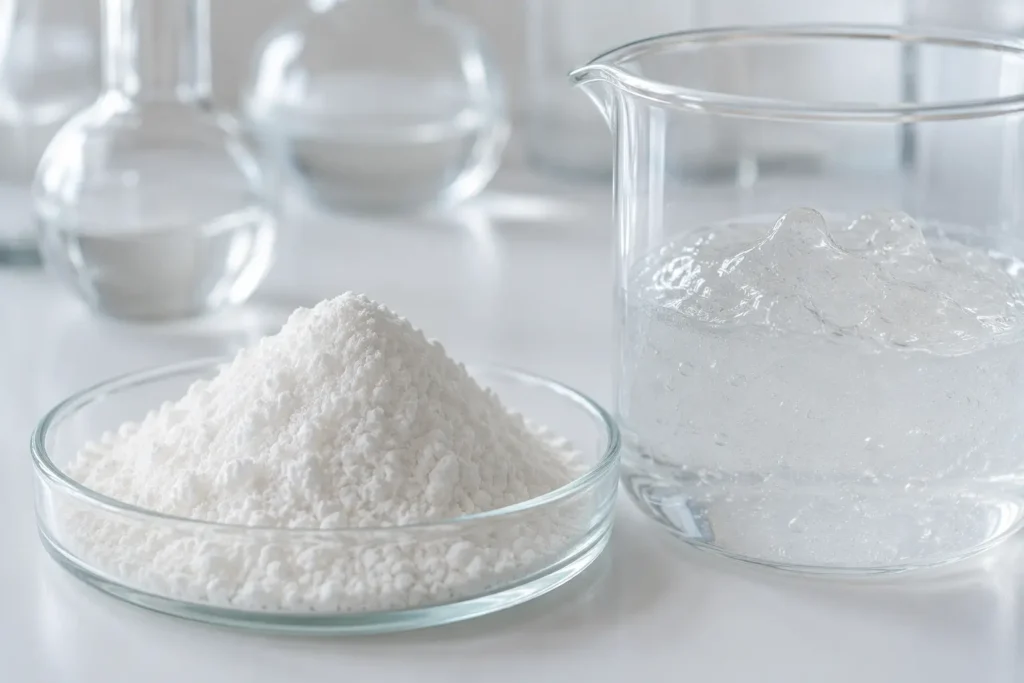
Chitosan has moved from a niche biopolymer discussed in academic journals to a mainstream functional ingredient found in serums, conditioners, toothpastes, and clean-label skincare lines around the world. For cosmetic chemists and product development teams, the appeal is straightforward: chitosan is one of the few natural, biodegradable polymers that can film-form, condition, bind moisture, and interact with skin and hair surfaces through genuine cationic chemistry rather than marketing language. This guide is written for the people who actually have to make chitosan work in a formulation R&D scientists, regulatory specialists, procurement managers, and brand owners evaluating whether a natural polymer can do the job a synthetic one currently does. It covers the chemistry, the functional properties, the sourcing decisions, the regulatory landscape, and the practical formulation trade-offs, so you can make an informed decision rather than a marketing-driven one. What Is Cosmetic-Grade Chitosan? Chitosan is a linear polysaccharide derived from chitin, the second most abundant biopolymer on Earth after cellulose. Chitin is found in the exoskeletons of crustaceans and insects, in the cell walls of fungi, and in some algae. To become chitosan, chitin undergoes deacetylation a chemical process that removes acetyl groups from the chitin backbone, converting a largely insoluble structural polymer into one that is soluble in dilute acid and carries a positive (cationic) charge in solution. “Cosmetic-grade” is not a single fixed specification. It generally refers to chitosan that has been purified to remove protein, endotoxin, heavy metals, and residual solvents to levels appropriate for topical and oral-care use, and that comes with a Certificate of Analysis (COA) documenting molecular weight, degree of deacetylation, viscosity, ash content, and microbial limits. Cosmetic-grade material is typically supplied as a fine powder or flake and is dissolved into an acidic aqueous phase (commonly with lactic acid, acetic acid, or glycolic acid) during formulation. Because chitosan’s performance is defined almost entirely by its molecular characteristics rather than by a single “type,” selecting the right grade is a formulation decision, not a commodity purchase. That distinction runs through every section of this guide. Why the Cosmetics Industry Uses Chitosan Three converging forces explain chitosan’s growth in personal care formulation: 1. Functional versatility. Few natural ingredients can film-form, condition, moisturize, and modify rheology within the same molecule. Chitosan does all four, depending on how it is deployed. 2. Cationic chemistry that matches biological surfaces. Skin and hair are net negatively charged at physiological pH. Chitosan’s protonated amine groups give it a genuine electrostatic affinity for these surfaces — this is chemistry, not a marketing claim, and it is the mechanistic basis for its conditioning and substantivity benefits. 3. Alignment with clean beauty and sustainability positioning. Chitosan is biodegradable, derived from renewable or upcycled biomass (shellfish processing waste, cultivated insect biomass, or fungal fermentation), and can be positioned as a bio-based alternative to petrochemical film-formers such as PVP, acrylates copolymers, or silicone-based conditioning agents. None of this means chitosan is a universal replacement for synthetic polymers. It has real formulation constraints pH sensitivity, viscosity behavior, and compatibility limitations covered later in this guide. Objective evaluation, not enthusiasm, is what makes a formulation succeed. Molecular Structure & Functional Properties Chitosan’s performance in a cosmetic formulation is governed by a small number of measurable parameters. Understanding them is the difference between selecting a grade that works and one that causes viscosity drift, poor solubility, or inconsistent sensory results at scale. Molecular Weight (MW) Molecular weight describes the average chain length of the polymer, usually reported in kDa (kilodaltons) and ranging from low-MW oligosaccharides (under 10 kDa) to high-MW chitosan (over 500 kDa). High molecular weight chitosan produces stronger, more continuous films and higher solution viscosity at a given concentration. It is well suited to hair-conditioning films, setting products, and applications where a durable, flexible film is the goal. Low molecular weight chitosan (including chitosan oligosaccharides) is markedly more water-soluble, produces lower viscosity, and penetrates more readily into the upper skin layers. It is preferred in serums, lightweight lotions, sprays, and scalp-care formulations where a heavy film or tacky after-feel is undesirable. Degree of Deacetylation (DDA) DDA measures the percentage of acetyl groups removed from the original chitin structure, typically ranging from 75% to 95%+ in cosmetic-grade material. DDA directly determines the density of free amine groups available for protonation. Higher DDA means more cationic charge at a given pH, translating to stronger substantivity on skin and hair, better antimicrobial activity, and improved solubility in mild acids. Lower DDA chitosan retains more acetyl groups, which can improve certain film properties but reduces solubility and cationic character. DDA and MW should always be evaluated together a high-DDA, high-MW chitosan behaves very differently in formulation than a high-DDA, low-MW oligosaccharide. Viscosity Viscosity is a practical, batch-to-batch consistency parameter, usually reported as the viscosity of a 1% solution in 1% acetic acid at a specified shear rate and temperature. It correlates with MW but is also affected by deacetylation conditions and purification method. Formulators should always request viscosity data at the concentration and solvent system they intend to use, since supplier-reported viscosity at standard test conditions does not always predict in-formula behavior. Cationic Charge The positively charged amine groups on the chitosan backbone are the mechanistic basis for several cosmetic benefits: adsorption onto negatively charged skin and hair surfaces (substantivity), disruption of negatively charged microbial cell membranes (antimicrobial activity), and electrostatic interaction with anionic surfactants and polymers (which can be a benefit or a compatibility challenge, depending on formulation design see the Formulation Considerations section below). Solubility and pH Behavior Chitosan is only soluble when its amine groups are protonated, which requires a pH generally below 6.0–6.5, depending on the specific grade. Above this range, chitosan precipitates. This single property drives many of the formulation decisions covered later in this guide, including derivative selection, acid choice, and compatibility with high-pH actives. Core Functional Properties in Cosmetic Formulations Film-Forming Ability In solution, chitosan chains align and form a continuous, flexible, oxygen-permeable film as water evaporates from the skin or hair
Natural Polymer in Cosmetics: A Comparative Guide for Formulators Moving Beyond Synthetics
Ask most cosmetic chemists why they’re reformulating away from synthetic polymers, and the answer is rarely a single reason. It’s usually three or four pressures arriving at once: retailers asking for cleaner ingredient decks, regulators tightening restrictions in specific markets, consumers reading labels more carefully than they used to, and R&D teams discovering that some natural polymers now perform close enough to their synthetic counterparts to justify the switch. What tends to get lost in that conversation is that “natural polymer” is not one ingredient category with one set of trade-offs. Cellulose derivatives, hyaluronic acid, alginate, xanthan gum, and chitosan solve genuinely different formulation problems, and choosing among them without understanding those differences is how reformulation projects stall at the bench. What “Natural Polymer” Actually Means in a Regulatory Context Before comparing ingredients, it’s worth being precise about the term itself, because “natural” carries more regulatory weight than most marketing copy treats it with. A natural cosmetic polymer is a macromolecule derived from a biological source plant, animal, marine, fungal, or microbial used to perform a functional role (thickening, film formation, conditioning, emulsion stabilization) that would otherwise require a synthetic polymer. Being naturally sourced does not automatically mean a polymer is unmodified: many commercially used natural polymers, including carboxymethyl cellulose and carboxymethyl chitosan, undergo chemical modification to improve solubility, stability, or functional range. Whether a modified natural polymer can still support a “natural origin” claim depends on the specific claims framework and market ISO 16128, for instance, defines natural and derived-natural ingredients differently, and formulators should verify claims against the framework relevant to their target market rather than assuming. This distinction matters throughout this article, because several of chitosan’s most useful cosmetic derivatives chitosan HCl, carboxymethyl chitosan are modified forms, and their natural-origin claims should be scoped accordingly. The Natural Polymer Landscape: A Working Comparison Rather than describing each polymer in isolation, the table below compares the major natural cosmetic polymers side by side on the dimensions that actually drive selection decisions. Polymer Origin Primary Cosmetic Function Key Advantage Key Limitation Typical Applications Chitosan Crustacean, fungal, or insect chitin Film formation, conditioning, moisture retention Native cationic charge genuine substantivity on skin/hair Requires acidic pH for solubility; anionic surfactant incompatibility Skin/hair conditioning, oral care, delivery systems Cellulose derivatives (HPMC, CMC) Plant cellulose Thickening, rheology modification, film formation Broad pH tolerance, well-established regulatory history Neutral/anionic charge no inherent conditioning or substantivity Emulsion stabilization, gels, viscosity control Hyaluronic Acid Microbial fermentation (modern production) Humectancy, moisture binding Exceptional water-binding capacity by weight Anionic no film-forming or conditioning function alone Serums, moisturizers, hydrating formulations Alginate Brown seaweed (algae) Gel formation, film formation, thickening Rapid gelation with divalent ions (e.g., calcium) Anionic limited conditioning function; sourcing tied to marine harvesting Masks, gel formulations, encapsulation systems Pullulan Fungal fermentation (Aureobasidium) Film formation, adhesive tackiness Strong, glossy film with skin-tightening sensory effect Higher cost; primarily a film-former, limited multifunctionality Peel-off masks, anti-aging films, hair styling products Xanthan Gum Microbial fermentation Thickening, stabilization, suspension Excellent shear-thinning rheology and stability across pH/temperature No conditioning or film-forming function Emulsions, lotions, suspension of particulates Guar Gum Guar bean seed Thickening, conditioning (cationic guar variant) Cationic guar derivatives offer hair conditioning similar in mechanism to chitosan Native (unmodified) guar is neutral/mildly anionic; cationic version is a modified derivative Conditioning shampoos, thickened formulations Carrageenan Red seaweed (algae) Gelling, thickening, film formation Strong gelling with various textures depending on type Anionic; sourcing tied to marine algae harvesting Toothpaste, gels, masks Starch derivatives Corn, potato, tapioca Thickening, texture modification, oil absorption Low cost, widely available, broad regulatory acceptance Limited functional versatility beyond texture/rheology Powders, absorbent formulations, texture modifiers Pectin Citrus/fruit peel Gelling, film formation Byproduct valorization (citrus processing waste) Anionic; gelation is pH- and sugar/calcium-dependent Masks, gels, some encapsulation systems Collagen Animal connective tissue (or recombinant/marine sources) Film formation, moisture support, skin-feel enhancement Long-standing consumer recognition and marketing familiarity Traditional sources are animal-derived; large native molecule limits skin penetration Anti-aging creams, moisturizers Gelatin Hydrolyzed animal collagen Film formation, gelling, viscosity Strong film and gel-forming behavior Animal-derived; not compatible with vegan positioning Masks, some hair and skin treatments A pattern worth noticing: chitosan is the only polymer on this list with a native cationic charge. Nearly every other natural cosmetic polymer cellulose derivatives, hyaluronic acid, alginate, xanthan, carrageenan, pectin is neutral or anionic in its unmodified form. This is not a minor technical footnote; it is the single most important reason chitosan occupies a different functional niche than most of the natural polymer category. Why Cationic Charge Is Chitosan’s Defining Advantage Skin and hair surfaces carry a net negative charge, more pronounced on damaged hair and compromised skin. Anionic and neutral polymers which describes most of the natural polymer category have no inherent electrostatic mechanism for adhering to these surfaces. They can still perform valuable functions (thickening, gelling, humectancy), but genuine substantivity and selective deposition require either a cationic ingredient or a chemically modified cationic derivative of an otherwise neutral polymer. This is exactly why cationic guar a chemically modified derivative of naturally anionic/neutral guar gum exists as a separate ingredient category from standard guar gum: manufacturers needed guar’s thickening behavior combined with a conditioning mechanism guar doesn’t natively have. Chitosan arrives at that same functional destination cationic conditioning behavior without requiring modification, because the charge is native to its chemical structure. The practical implication for formulators: if a project’s core requirement is thickening, stabilization, or gelling without a conditioning component, several natural polymers on the comparison table above may outperform chitosan on cost and ease of formulation. If the core requirement includes substantivity, selective deposition on damaged tissue, bioadhesion, or a combined conditioning-plus-moisture-binding function, chitosan is difficult to substitute with an unmodified natural alternative. Chitosan vs. Synthetic Cosmetic Polymers Natural-vs-natural comparison only tells half the story. Most reformulation projects are actually replacing a synthetic ingredient, so the more commercially relevant comparison is against the synthetic polymers chitosan is typically evaluated to replace. Property Chitosan Synthetic Cationic Conditioning Polymers (Polyquaternium series) Synthetic Film-Formers (PVP, Acrylates Copolymer)
Chitosan for Skin Care: A Formulator’s Guide to Moisturization, Film Formation, and Barrier Support
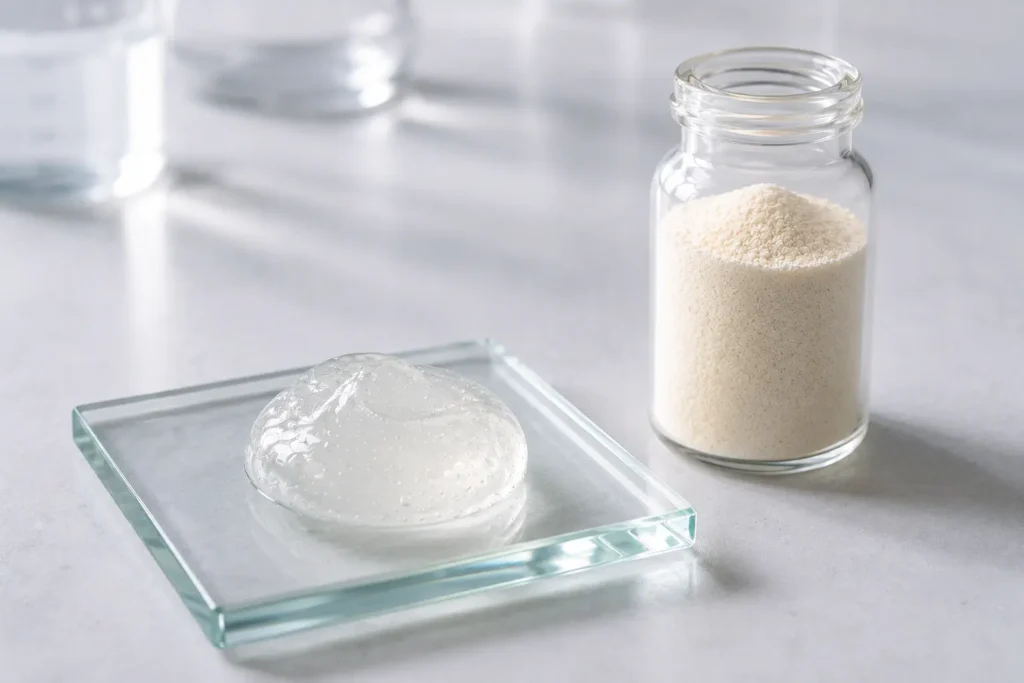
Skincare formulators are under constant pressure to deliver measurable performance moisturization, sensory elegance, barrier support, active delivery while moving toward cleaner, more sustainable ingredient lists. Chitosan sits at an unusually useful intersection of those two demands: it is a naturally derived, biodegradable polymer that also happens to film-form, bind water, and interact electrostatically with skin in ways that are mechanistically explainable rather than aspirational. This guide builds on the foundational chemistry introduced in our pillar article, Chitosan in Cosmetics, and focuses specifically on chitosan’s role in topical skincare formulation how it interacts with the skin barrier, what current research does and does not support, how to select the right derivative for creams versus serums versus gels, and the practical compatibility questions that come up when combining chitosan with actives like niacinamide, vitamin C, hyaluronic acid, and peptides. What Is Cosmetic-Grade Chitosan for Skin Care? Cosmetic-grade chitosan is a purified, deacetylated form of chitin sourced from shellfish, fungal, or insect biomass supplied as a powder that is solubilized into an acidic aqueous phase during formulation. In skincare specifically, chitosan is used across creams, serums, gels, sheet masks, and cosmeceutical treatments, where it functions as a film-former, moisture-binding agent, skin-conditioning polymer, and, in more advanced systems, a delivery vehicle for actives. As with every application covered in this resource cluster, chitosan’s performance in skincare is governed by molecular weight (MW), degree of deacetylation (DDA), and the resulting cationic charge the fundamentals of which are covered in detail in the pillar guide and assumed as background here. Why Chitosan Is Used in Modern Skin Care A Cationic Polymer on a Predominantly Negatively Charged Surface The skin surface, and particularly compromised or inflamed skin, tends to carry a net negative surface charge. Chitosan’s protonated amine groups create an electrostatic affinity for this surface, giving it genuine substantivity a mechanistic reason it adheres to and remains on skin rather than simply sitting on top of a formulation film without functional interaction. A Genuinely Multifunctional Molecule Few skincare ingredients combine film formation, humectancy, and skin-conditioning behavior in a single molecule. This multifunctionality is why chitosan is frequently positioned as a formulation efficiency tool one ingredient contributing to several formulation goals rather than a single-purpose active. Alignment with Clean Beauty and Cosmeceutical Trends Chitosan’s biodegradability and renewable/upcycled sourcing support clean beauty positioning, while its documented history in wound-care biomaterials gives cosmeceutical brands a scientifically grounded (if carefully bounded see below) story for barrier-support and post-procedure skincare positioning. Functional Properties in Cosmetic Skin Care Formulations Film Formation and Skin Protection As a chitosan-containing formulation dries on the skin, the polymer chains align into a thin, flexible, oxygen-permeable film. This film contributes to a smoother immediate sensory result and a temporary reduction in transepidermal water loss (TEWL) by acting as a physical barrier to moisture evaporation from the skin surface. Film strength and durability scale with molecular weight — higher-MW chitosan produces a more substantial, longer-wearing film, which is relevant for formulations positioned around all-day hydration or a “second-skin” sensory claim. Moisture Retention and Humectancy Chitosan’s amine and hydroxyl groups bind water molecules, giving it genuine but moderate humectant character. In most well-designed formulations, chitosan’s moisture-binding role is complementary to not a replacement for dedicated humectants such as glycerin or hyaluronic acid. Chitosan’s specific value-add is combining a degree of humectancy with film formation and skin conditioning in the same ingredient, which can simplify formulation architecture and reduce the total ingredient count needed to hit multiple sensory and performance targets. Skin Conditioning and Sensory Performance Chitosan’s film-forming and moisture-binding behavior together contribute to a smoother, more refined skin feel immediately after application, which is measurable through standard sensory evaluation methods and is one of the more consistently reported benefits in the cosmetic chitosan literature. Barrier Support, What the Evidence Actually Shows Chitosan’s history in wound-care dressings, where its film-forming and hemostatic properties are well documented, has informed interest in cosmeceutical “barrier support” positioning. It is important to be precise here: chitosan can contribute a temporary occlusive film that reduces TEWL, and this is a legitimate, testable mechanism. However, wound-healing literature should not be treated as direct substantiation for cosmetic barrier-repair claims the regulatory category, the tissue condition, and the intended use are fundamentally different. Any specific “barrier repair” or “barrier restoration” claim in a cosmetic product should be substantiated with testing on the finished formulation in its intended (healthy skin, cosmetic) context, not extrapolated from wound-care research. Bioadhesion The same cationic-charge mechanism that gives chitosan substantivity on hair and oral tissue also applies to skin chitosan adheres to the negatively charged skin surface more effectively than many neutral or anionic polymers, supporting longer-wear formulations such as long-lasting primers, film-forming masks, or extended-wear protective formulations. Controlled and Sustained Active Release Chitosan’s ability to form hydrogels, nanoparticles, and microsphere delivery matrices makes it useful in more advanced cosmeceutical systems designed to modulate the release rate of an encapsulated active extending residence time on skin, protecting sensitive actives from premature degradation, and supporting sustained-release positioning where substantiated by appropriate release-kinetics testing. Antioxidant and Soothing Formulation Support Chitosan itself is not classified as an antioxidant, but its film-forming and delivery-vehicle properties make it a useful carrier for antioxidant actives (such as vitamin C derivatives or botanical extracts), potentially improving their stability and residence time on skin. Any specific antioxidant-boosting or soothing claim should be tested at the finished-formulation level rather than inferred from chitosan’s carrier role alone. Anti-Aging and Cosmetic Innovation Applications Chitosan’s combination of film formation, moisture binding, and delivery-vehicle capability has made it a common ingredient in anti-aging and premium cosmeceutical formulations, where it contributes to: Short-term smoothing and tightening sensory effects from film formation Improved residence time and potentially improved stability of anti-aging actives such as peptides and antioxidants when used as part of a delivery system A lightweight, fast-absorbing base (particularly with low-MW chitosan oligosaccharides) suited to premium serum positioning As with barrier claims, any specific anti-aging efficacy claim (wrinkle reduction, elasticity improvement, etc.) requires dedicated clinical or
Chitosan Shampoo: A Formulation Guide to Chitosan as a Hair Conditioning Polymer
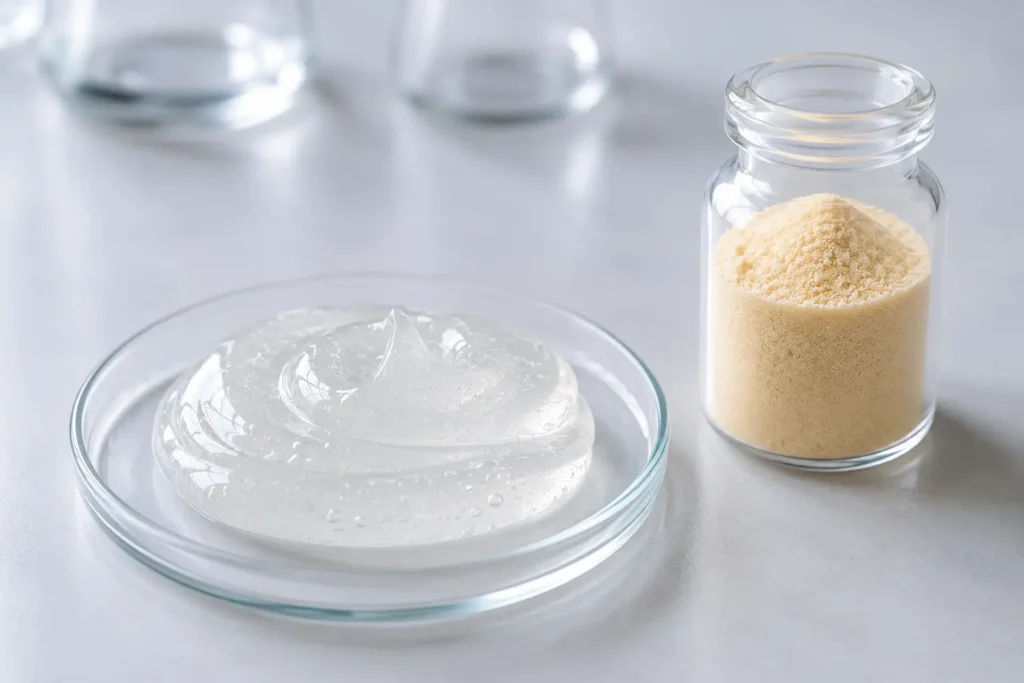
Hair care formulators have spent decades relying on synthetic cationic polymers and silicones to deliver conditioning, detangling, and anti-frizz performance in shampoo. Chitosan offers a naturally derived alternative built on the same underlying principle cationic charge interacting with a negatively charged fiber surface but with a mechanism that is genuinely selective for damaged hair and a sourcing story that fits clean beauty positioning. This article builds on the foundational chemistry covered in our pillar guide, Chitosan in Cosmetics, and focuses specifically on chitosan’s role in shampoo and rinse-off hair care: how it interacts with the hair fiber, what it can and cannot be expected to deliver, how to manage its well-known surfactant compatibility challenge, and which derivative fits which formulation objective. What Is Chitosan Shampoo? Chitosan shampoo refers to a shampoo formulation sulfate-based, sulfate-free, or scalp-focused in which cosmetic-grade chitosan or a chitosan derivative has been incorporated as a functional conditioning and film-forming ingredient. It is not a distinct shampoo category so much as a formulation choice: chitosan is added to the surfactant base, typically at low use levels, to deliver conditioning benefits that the surfactant system alone does not provide. Because chitosan is cationic and most shampoo surfactants are anionic, successfully formulating chitosan shampoo requires deliberate compatibility management this is the single most important technical consideration covered in this guide, and it is addressed in detail below. Why Cosmetic Chemists Use Chitosan in Shampoo A Genuine Electrostatic Mechanism, Not a Marketing Story Hair fiber carries a net negative surface charge, driven by carboxylate groups exposed on the cuticle and, more significantly, by chemical damage. Chemically or thermally damaged hair bleached, permed, relaxed, or heat-styled has a measurably more negative surface charge than virgin hair, due to increased exposure of anionic sites along the damaged cuticle and cortex. Chitosan’s protonated amine groups carry a positive charge in the mildly acidic conditions typical of most conditioning formulations. This creates a genuine, measurable electrostatic attraction between chitosan and the hair fiber and, critically, a preferential attraction to the most damaged, most negatively charged regions of the hair. This selective deposition behavior is chitosan’s key formulation differentiator versus many synthetic quaternary conditioning polymers, which tend to deposit more uniformly regardless of damage level. Film Formation and Surface Smoothing Once deposited, chitosan forms a thin, flexible film along the hair shaft. This film smooths raised or damaged cuticle scales, which is the physical basis for several downstream benefits: reduced friction between fibers, improved combability, and a smoother tactile and visual surface. Multifunctional Behavior in a Single Ingredient Few ingredients combine conditioning, film formation, and humectant behavior in one molecule. This is part of why chitosan is described as multifunctional rather than as a single-purpose conditioning agent — a single ingredient can contribute to several formulation goals simultaneously, though not always at full strength on any one of them. Hair Conditioning Mechanisms: How Chitosan Actually Works on Hair Electrostatic Deposition and Substantivity Substantivity the degree to which an ingredient remains on the hair fiber through the rinse cycle is the mechanistic requirement for any rinse-off conditioning claim. Chitosan’s cationic charge gives it genuine substantivity on hair, particularly damaged hair, because the electrostatic attraction resists straightforward rinsing away by water alone. The strength of this effect scales with chitosan’s degree of deacetylation (higher DDA means a higher density of protonated amine groups and stronger charge) and is also influenced by molecular weight. Friction Reduction and Combability The smoothing film chitosan deposits reduces fiber-to-fiber and fiber-to-comb friction, which is measurable as improved wet combability (reduced force required to comb wet hair) and dry combability. This is one of the more consistently observed and testable benefits of cationic conditioning polymers generally, and chitosan performs comparably to other cationic conditioning agents in this respect when properly formulated. Anti-Static Performance Static charge buildup in dry hair results from friction-generated charge imbalance, most noticeable in low-humidity conditions and in fine or damaged hair. Cationic conditioning films, including chitosan’s, help neutralize this surface charge imbalance, contributing to reduced static and improved manageability a real, if formulation-dependent, benefit. Moisture Retention and Humectancy Chitosan’s polar amine and hydroxyl groups bind water, contributing modest humectant behavior directly at the hair surface. This is generally a secondary benefit layered on top of chitosan’s primary conditioning and film-forming role, rather than a standalone hydration solution brands seeking a strong “moisturizing shampoo” claim typically pair chitosan with dedicated humectants rather than relying on chitosan alone. Scalp Compatibility Chitosan’s mild antimicrobial character and film-forming behavior have generated interest in scalp-focused formulations, though scalp-specific claims (such as scalp barrier support or scalp microbiome interaction) require dedicated substantiation beyond hair-fiber conditioning data, and should not be assumed to transfer automatically from hair-conditioning research. Benefits for Different Hair Types Hair Condition Relevance of Chitosan Formulation Note Virgin, undamaged hair Lower relative benefit less negative charge to attract to Chitosan still contributes mild conditioning and film formation, but the differentiation vs. damaged hair is less pronounced Chemically treated (bleached, colored, relaxed) High relevance strong selective deposition on damaged, high-charge regions Often the primary target consumer for chitosan-forward marketing claims Heat-damaged or mechanically stressed hair High relevance similar charge-driven deposition mechanism Frequently paired with anti-frizz and smoothing claims Fine, static-prone hair Moderate to high relevance anti-static film-forming benefit Lower use levels often preferred to avoid weighing down fine hair Curly or textured hair Moderate relevance frizz control and combability benefits Often combined with additional humectants for curl-specific hydration needs Scalp-sensitive or scalp-focused products Emerging area requires dedicated substantiation Treat scalp-specific claims separately from hair-fiber conditioning claims Chitosan vs. Synthetic Conditioning Polymers Property Chitosan Common Synthetic Cationic Polymers (e.g., Polyquaternium series) Source Natural (shellfish, fungal, or insect-derived) Petrochemical Charge mechanism Native cationic amine groups Cationic charge introduced via quaternary ammonium modification Selective deposition on damaged hair Pronounced, charge-density driven Present in some polyquaterniums, but less consistently differentiated Biodegradability Biodegradable Often limited Film flexibility Good, tunable by MW Varies widely by specific polymer Surfactant compatibility Requires careful management (anionic surfactant conflict) Many polyquaterniums are specifically
Chitosan Toothpaste: A Formulator’s Guide to Chitosan in Oral Care
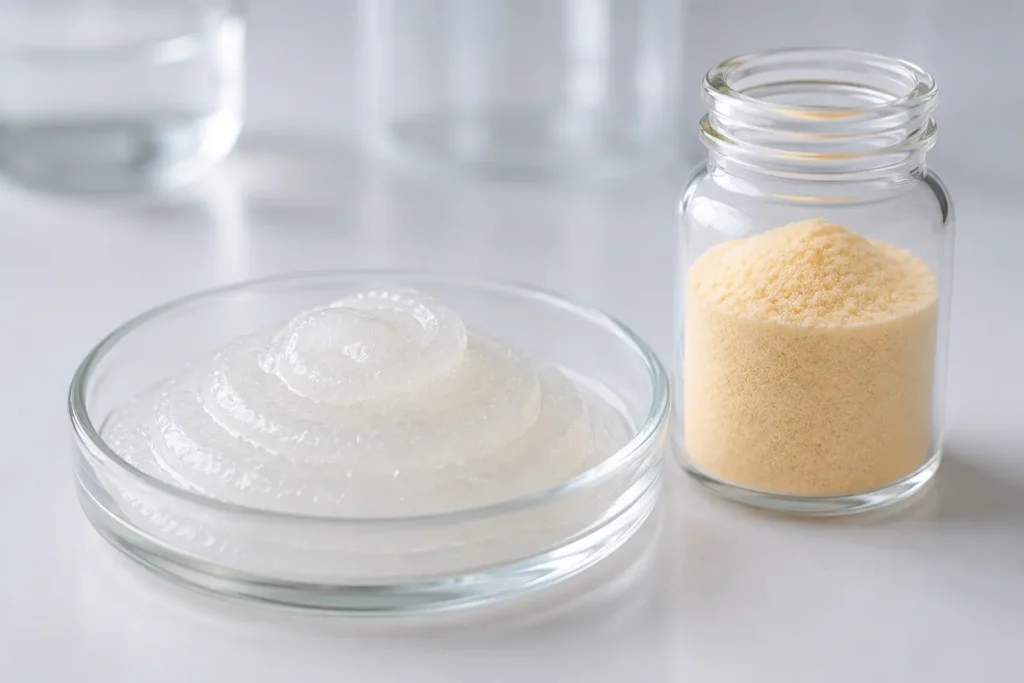
Chitosan’s role in cosmetics is well established — its film-forming, moisturizing, and conditioning properties are covered in depth in our pillar guide, Chitosan in Cosmetics. Within that broader picture, oral care is one of the most scientifically interesting applications, because chitosan’s cationic, mucoadhesive chemistry maps directly onto the biological challenge toothpaste is designed to solve: getting active ingredients to stay on tooth and gum surfaces long enough to do their job in an environment that is constantly being rinsed, diluted, and washed away by saliva. This guide focuses specifically on chitosan as a functional ingredient in toothpaste and oral care formulations the mechanisms behind its use, what the evidence actually supports, how to select the right derivative, and the practical formulation and manufacturing considerations that determine whether a chitosan-containing toothpaste performs consistently at scale. What Is Chitosan Toothpaste? Chitosan toothpaste is not a separate product category it is a conventional toothpaste formulation (fluoride or fluoride-free) in which cosmetic-grade chitosan or a chitosan derivative has been incorporated as a functional ingredient, typically to support bioadhesion, film formation, and a favorable interaction with the oral biofilm environment. Chitosan is added at relatively low use levels within the paste or gel matrix, alongside the abrasive system, humectants, surfactant, flavor, and (where applicable) fluoride source. Its role is functional, not cosmetic filler it is selected because of specific, explainable interactions with the oral cavity, described in detail below. Why Oral Care Formulators Use Chitosan The oral cavity presents a specific set of challenges that make chitosan’s chemistry particularly relevant: 1. Constant clearance by saliva. Anything applied to tooth or gum surfaces during brushing is diluted and cleared within minutes unless it has some mechanism for extending contact time. Chitosan’s mucoadhesive behavior directly addresses this. 2. A negatively charged biological surface. The pellicle layer that coats enamel, along with mucosal tissue and many oral bacteria, carries a net negative surface charge. Chitosan’s cationic amine groups give it a genuine electrostatic affinity for these surfaces. 3. A biofilm-dominated microbial environment. Dental plaque is a structured, adherent bacterial biofilm, not simply free-floating bacteria. Ingredients that interact with biofilm formation and bacterial adhesion rather than only killing planktonic bacteria are of particular interest in modern oral care research, and this is an area where chitosan’s mechanism of action is actively studied. 4. Growing demand for natural-origin oral care. As with the rest of cosmetics, oral care brands are increasingly positioning products around natural, biodegradable ingredients, and chitosan fits that narrative when the claims are properly scoped. For the underlying molecular science molecular weight, degree of deacetylation, and cationic charge see the detailed explanation in Chitosan in Cosmetics, which this article assumes as background. Functional Properties of Chitosan in Oral Care Bioadhesion (Mucoadhesion) Chitosan’s protonated amine groups form electrostatic and hydrogen-bonding interactions with the negatively charged mucin glycoproteins in saliva and the oral mucosa. This mucoadhesive behavior allows chitosan-containing formulations to adhere to oral surfaces longer than non-adhesive polymers, extending the residence time of the formulation and, by extension, of any active ingredients carried alongside it before salivary clearance removes it. Interaction with the Salivary Pellicle and Enamel Surface The pellicle is a thin protein film that forms on enamel within minutes of exposure to saliva, and it carries a negative surface charge. Chitosan’s cationic character allows it to interact with this pellicle layer, a mechanism that has been explored in dental research as a way to modify pellicle properties and support surface interactions relevant to enamel protection strategies. This should be understood as an area of ongoing research rather than a settled clinical claim, and any specific enamel-protection marketing claim should be substantiated with formulation-specific testing. Interaction with Oral Biofilm and Bacterial Adhesion Dental plaque forms through a sequence of bacterial adhesion, colonization, and biofilm maturation. Chitosan’s cationic charge allows it to interact electrostatically with negatively charged bacterial cell surfaces, and laboratory research has examined its effects on bacterial adhesion and biofilm structure in oral-relevant bacterial species. Antimicrobial and anti-adhesion activity in this context is influenced by molecular weight, degree of deacetylation, concentration, and the specific bacterial species studied it is not uniform across all chitosan grades, and claims of biofilm or plaque control should be based on testing of the finished formulation rather than generalized from raw-material literature. Film Formation in the Oral Cavity At sufficient concentration, chitosan can form a thin film on oral surfaces as the formulation dries or as saliva composition interacts with it. This film-forming behavior contributes to the extended-contact mechanism described above and is one reason chitosan is also explored in mouth-rinse and gel formulations where prolonged surface contact is desirable. Controlled Release Potential Chitosan’s ability to form gels, microspheres, and matrix structures allows it to be used as a delivery vehicle for actives that benefit from a slower, more sustained release in the oral cavity an approach more commonly explored in specialized oral gels and treatments than in mass-market toothpaste, but relevant for manufacturers developing premium or therapeutic-positioned oral care lines. What the Evidence Actually Supports — and Where Claims Should Stop Because oral care claims are closely scrutinized by regulators and consumers alike, it is worth being explicit about the boundary between mechanism and marketing claim: Reasonably well-supported, mechanism-level statements: Chitosan is cationic and interacts electrostatically with negatively charged oral surfaces and bacterial membranes. Chitosan exhibits mucoadhesive behavior that can extend surface residence time. Laboratory studies have examined chitosan’s effects on bacterial adhesion and biofilm formation in oral-relevant organisms. Claims that require formulation-specific substantiation before use: “Reduces plaque” or “supports plaque control” defensible only with clinical or in-vitro testing on the specific finished formulation. “Supports remineralization” an active area of dental biomaterials research, but chitosan itself is not a remineralizing agent (such as fluoride or hydroxyapatite); at most it may function as a delivery or retention vehicle for remineralizing actives, and this distinction matters for accurate claims. Claims that are not supportable: “Prevents cavities” or “eliminates plaque” as absolute statements. “Replaces fluoride” chitosan and fluoride work through entirely different
Green Innovation in Beauty: Exploring the Versatile Applications of Chitosan in Cosmetic Formulations
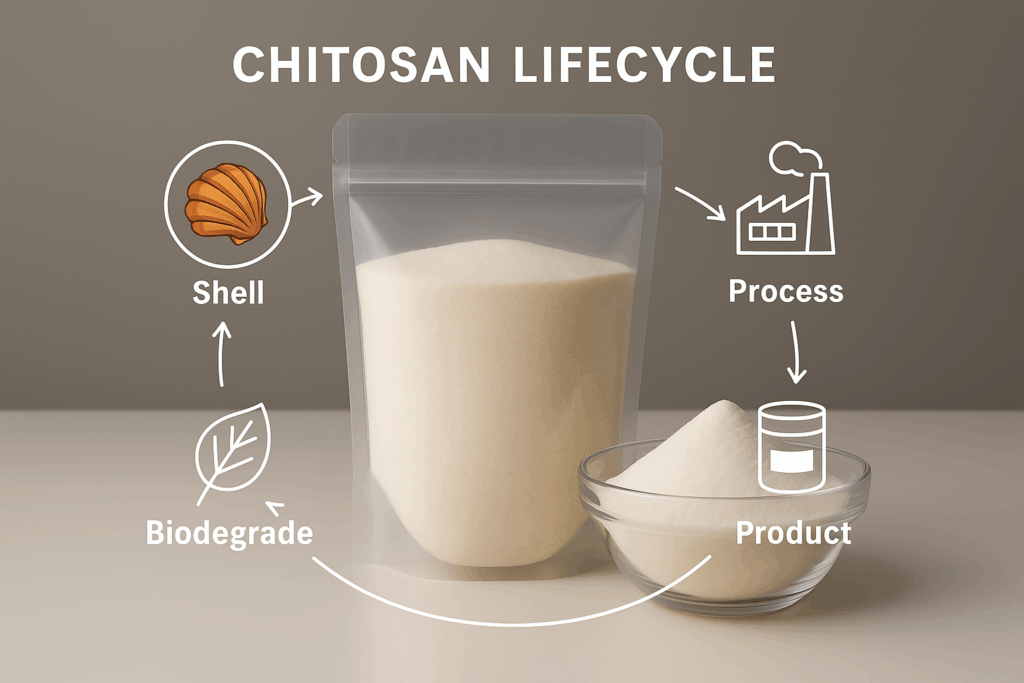
Chitin is the second most abundant natural polysaccharide in nature, after cellulose. Most fungi contain 5%-7% chitin in their cell walls. Chitin is also found in the exoskeletons of crustaceans (crabs, shrimp, lobsters), insects, and certain species of algae. Pronunciation Guide Chitin: Pronounced “kite-in” (emphasis on “kite”) Deacetylation: Pronounced “dee-a-settle-ay-shun” (emphasis on “dee”) Acetyl: Pronounced “a-see-tl” (emphasis on “see”) Chemical Structure and Properties Chitosan is obtained through the process of deacetylation of chitin. This involves: Removing acetyl groups (CH3OH) from the chitin molecule Creating a polymer with free amine groups (NH2) This chemical transformation gives chitosan its positive charge, differentiating it from its parent compound, chitin. Each monomer has at least two hydroxyl groups that can form bonds with other positively charged substances. This gives chitosan great versatility when creating complexes or films via cross-linking. Solubility: Unlike chitin, chitosan is soluble in acidic to neutral solutions, making it more versatile for various applications. Our food-grade mushroom chitosan oligosaccharide is soluble in water at any pH. It is bactericidal at pH 6.4 and below. To purchase wholesale, click HERE Biocompatibility and Biodegradability: Chitosan is known for its excellent biocompatibility and biodegradability. It’s non-toxic and can be broken down by natural biological processes. Uses and Applications: It is possible to produce chitosan and chitosan derivatives with varying chain lengths and differentiated properties for cosmetics applications. The molecular weight of mushroom chitosan we offer is so low it can easily penetrate the stratum corneum layer of skin. Our mushroom-derived, Chitosan Oligosaccharide has a molecular weight of 3 kDa and a DD of >98%. This advantage alone makes it suitable for skin care. These derivatives include chitosan hydrochloride, chitosan acetate, chitosan lactate, carboxymethyl chitosan, quaternized derivatives, oligosaccharides, and also chitin sulfate and carboxymethyl chitin to name a few. They can be dissolved in aqueous solutions or used in solid form. In cosmetics, the specific properties employed are cationic (chitosan and hair carry opposite electrical charges), bacteriostatic, fungistatic, antistatic, film-forming, moisture-retaining (chitosan retains moisture in low humidity and maintains hair’s style in high humidity), and controlled release of bioactive agents. Replacing Synthetic Ingredients Film-Forming Agents In hair care products, chitosan can effectively substitute synthetic film-formers like polyvinylpyrrolidone (PVP) and polyvinyl acetate (PVA). This natural alternative provides a protective layer on hair strands, enhancing shine and manageability Humectants and Moisturizers Chitosan’s hygroscopic nature makes it an excellent replacement for traditional humectants such as hyaluronic acid, glycerin, and sorbitol in skincare products. It can also substitute moisturizing agents like petrolatum, mineral oil, and dimethicone, offering a more natural approach to hydration Thickeners and Emulsifiers In various cosmetic formulations, chitosan can replace synthetic thickeners like carbomer, xanthan gum, and guar gum. Its emulsifying properties also allow it to substitute sodium lauryl sulfate (SLS) and sodium laureth sulfate (SLES) in skincare products, providing a gentler option for sensitive skin Antimicrobial and Anti-Aging Agents Chitosan’s natural antimicrobial properties make it a suitable alternative to synthetic agents like triclosan and chlorhexidine. In anti-aging formulations, it can replace ingredients such as retinol and peptides, offering a more natural approach to combating signs of aging Sunscreen Agents In sunscreen products, chitosan can be used to replace controversial synthetic UV filters like oxybenzone and avobenzone, contributing to more environmentally friendly sun protection options Compatibility and Versatility Chitosan’s compatibility with a wide range of ingredients enhances its versatility in cosmetic formulations. It can be combined with: Carbohydrates: starch, glucose, saccharose Polyols Oils, fats, and waxes Acids Nonionic emulsifiers Nonionic water-soluble gums This compatibility allows for the creation of complex formulations that can address multiple skincare concerns simultaneously Unique Properties The growing popularity of chitosan in cosmetics is attributed to its exceptional combination of properties: Biocompatibility: Ensures safe interaction with human skin and tissues Biodegradability: Environmentally friendly and sustainable Non-toxicity: Safe for long-term use in various applications Positive charge: Allows for unique interactions with skin and hair These characteristics make chitosan an ideal ingredient for a wide range of cosmetic applications, from skincare to haircare products. Chitosan’s ability to replace numerous synthetic ingredients, coupled with its compatibility with other cosmetic components and its unique properties, positions it as a valuable and innovative ingredient in the cosmetics industry. Its use not only enhances product performance but also aligns with the growing consumer demand for natural, sustainable, and effective beauty solutions. What are the benefits of chitosan in cosmetic applications? Chitosan, a versatile biopolymer derived from chitin, offers numerous benefits in cosmetic applications, making it a valuable ingredient in skincare and beauty products. Its unique properties contribute to various aspects of skin health and product formulation. Skin Health Benefits Moisturization and Hydration Chitosan excels at retaining moisture, forming a protective barrier on the skin that locks in hydration This film-forming property helps maintain the skin’s natural moisture balance, keeping it soft and supple The hydrophilic nature of chitosan allows it to attract and retain water, providing long-lasting hydration Anti-Aging Effects Chitosan stimulates collagen production, which is crucial for maintaining skin firmness and elasticity This property makes it effective in reducing the appearance of fine lines and wrinkles, promoting a more youthful complexion Additionally, chitosan’s antioxidant properties help combat free radicals, further contributing to its anti-aging benefits Skin Barrier Enhancement By forming a breathable film on the skin, chitosan strengthens the natural skin barrier. This enhanced barrier function protects against environmental stressors and helps prevent moisture loss, making it particularly beneficial for dry or sensitive skin Functional Benefits in Cosmetics Antimicrobial Properties Chitosan possesses natural antimicrobial and antifungal properties, making it effective in controlling bacteria on the skin This characteristic is particularly useful in products designed for acne-prone skin or to maintain overall skin health Oil Control For individuals with oily skin, chitosan helps absorb excess sebum, reducing shine and minimizing the appearance of pores. This oil-controlling property contributes to a more balanced complexion. Wound Healing Chitosan’s antimicrobial and anti-inflammatory properties accelerate wound healing, making it suitable for products aimed at soothing and repairing damaged or irritated skin Formulation