
Water-Soluble Chitosan Supplier | Bulk Soluble Chitosan for Food, Pharma & Liquid Formulation Systems
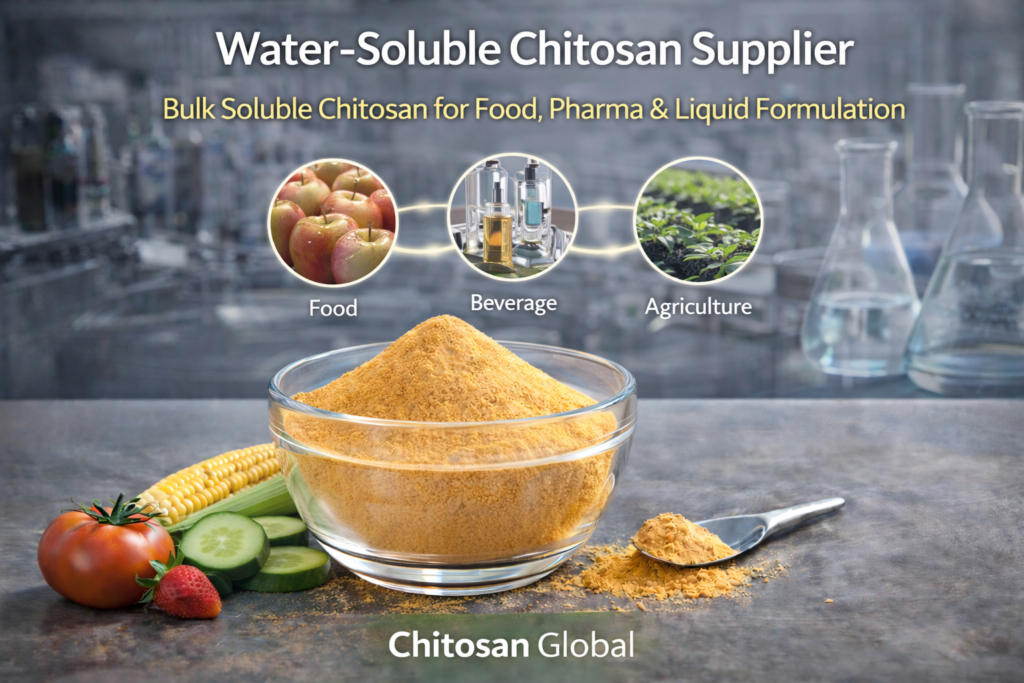
Chitosan Global – Industrial Supplier of Fully Water-Soluble Chitosan, COS & Advanced Chitosan Derivatives for Commercial Applications Water-Soluble Chitosan – Technical Overview Water-soluble chitosan is not a generic ingredient — it is a performance-critical polymer used in modern formulation systems. Key Specifications: Solubility: Fully water-soluble (no acid required) pH Stability: Functional across pH 3.0–8.0+ (depending on derivative) Molecular Weight: COS: 500–3000 Da CMC / Modified derivatives: customizable Degree of Deacetylation (DDA): 85–95% Appearance: Off-white to light yellow powder Origins Available: Mushroom / Shellfish / Black Soldier Fly Applications: Food, beverages, pharma, agriculture, coatings, liquid systems Get Bulk Pricing | Order 25g Sample Why Standard Chitosan Fails in Modern Formulations If you are sourcing chitosan for liquid systems, food processing, or pharmaceutical applications, standard chitosan is often not usable. Here’s why: It does not dissolve in neutral water Requires acidic conditions (pH < 6.5) Causes poor dispersion and aggregation Leads to instability in formulations Limits use in beverages, pharma liquids, and neutral systems These are not minor issues — they are formulation failures. That is why industries are shifting toward water-soluble chitosan derivatives. What is Water-Soluble Chitosan (WSC)? Water-soluble chitosan refers to chemically modified or low molecular weight chitosan forms designed to dissolve directly in aqueous systems. Unlike native chitosan, WSC is engineered to: Dissolve instantly in water Maintain stability across wider pH ranges Integrate seamlessly into liquid formulations Retain bioactivity and functional performance Production Methods Water-soluble chitosan is produced through: Enzymatic Hydrolysis → Chitosan Oligosaccharide (COS) Breaks polymer into low molecular weight fractions Improves solubility and bioavailability Salt Formation → Hydrochloride, Lactate, Acetate Forms Enhances dissolution in aqueous systems Improves compatibility in pharma and beverage systems Chemical Modification → Carboxymethyl, Quaternary Chitosan Introduces hydrophilic functional groups Enables solubility across wider pH conditions These processes transform chitosan from a limited polymer into a high-performance functional ingredient Our Water-Soluble Chitosan Product (Built for Industrial Use) Most suppliers offer a single derivative. Chitosan Global provides a complete system of water-soluble chitosan derivatives, allowing you to select the right material for your application. 1. Chitosan Oligosaccharide (COS – Food Grade) Ultra-low molecular weight Fully water-soluble High absorption and bioavailability Suitable for food, nutraceuticals, agriculture Best For: Gut health supplements Functional foods Plant growth enhancement 2. Chitosan Oligosaccharide Hydrochloride Enhanced solubility in aqueous systems Rapid dissolution in liquids Stable in formulation environments Best For: Beverages Pharmaceutical liquid systems Functional ingredient delivery 3. Carboxymethyl Chitosan (CMC) Highly water-soluble across wide pH range Excellent film-forming and binding properties Strong compatibility with hydrogels and coatings Best For: Biomedical applications Food coatings Cosmetic and industrial formulations 4. Advanced Water-Soluble Chitosan Derivatives Quaternary chitosan (permanent cationic charge) Modified salts and custom formulations Tailored molecular structures for specific applications Best For: Antimicrobial coatings Biomedical systems Advanced material formulations How to Choose the Right Water-Soluble Chitosan Choosing the wrong derivative leads to poor performance and wasted cost. Use this selection guide: COS → High bioavailability, nutraceuticals, agriculture COS Hydrochloride → Best for liquid formulations and beverages CMC → Best for coatings, hydrogels, structured systems Quaternary Chitosan → Best for antimicrobial and biomedical applications If your system is liquid-based, water-soluble chitosan is not optional — it is required. Functional Advantages of Water-Soluble Chitosan 1. Immediate Dissolution in Water No acid required No aggregation Uniform dispersion 2. Enhanced Bioavailability Low molecular weight improves absorption Faster interaction with biological systems 3. Antimicrobial Properties Effective against bacteria and fungi Suitable for food safety and coatings 4. Antioxidant Activity Free radical scavenging Improves product stability 5. Formulation Efficiency Compatible with complex systems Reduces processing challenges Where Standard Chitosan Fails Factor Standard Chitosan Water-Soluble Chitosan Solubility Acid-dependent Fully water-soluble Stability Limited High Formulation Difficult Easy Applications Restricted Multi-industry This shift is already happening across food, pharma, and industrial sectors Applications Across High-Value Industries Food Industry Edible coatings for shelf-life extension Preservation systems Functional food ingredients Beverage Processing Clarification Protein stabilization Improved liquid stability Pharmaceutical & Nutraceutical Drug delivery systems Capsules and liquid formulations Bioavailability enhancement Agriculture Biostimulants Foliar sprays Hydroponic systems Industrial Applications Coatings and films Filtration systems Functional polymers Formulation Compatibility (What Actually Works) Our water-soluble chitosan is designed for: Aqueous systems Neutral and acidic environments Nutrient and bioactive solutions Pharmaceutical carriers Built for real-world formulation performance, not theoretical use Quality, Compliance & Supply Reliability B2B buyers require consistency — not just claims. We provide: COA (Certificate of Analysis) for every batch Food-grade and pharma-grade options Regulatory-aligned materials (FDA / GRAS-ready positioning) Controlled manufacturing and batch consistency Reliable supply is as important as product performance Why Buyers Choose Chitosan Global 1. True Water-Soluble Performance Not “acid-soluble” — fully usable in real systems 2. Complete Derivative Portfolio COS, COS HCl, CMC, quaternary and custom derivatives 3. Industrial-Scale Supply Bulk quantities Consistent quality Global logistics 4. Technical Support Product selection guidance Application matching Formulation support Strengthen Your Sourcing Strategy Explore related solutions: food grade chitosan supplier chitosan derivatives supplier chitosan for agriculture and plant protection systems chitosan oligosaccharide for plant growth enhancement Build a complete system — not just a single ingredient Frequently Asked Questions Is water-soluble chitosan the same as regular chitosan?No. Regular chitosan requires acidic conditions. Water-soluble chitosan dissolves directly in water. Which type is best for beverages?Chitosan oligosaccharide hydrochloride offers the best solubility and stability. Can it be used in food applications?Yes, food-grade COS and derivatives are widely used. What is the difference between COS and CMC?COS is low molecular weight and bioactive. CMC is more structural and used in coatings and gels. Get High-Performance Water-Soluble Chitosan for Your Formulation Stop dealing with poor solubility, unstable formulations, and limited performance. Upgrade to industrial-grade water-soluble chitosan designed for real applications. Request samplesGet bulk pricing per kgTalk to our technical team Chitosan Global – Your trusted partner for water-soluble chitosan and advanced functional biopolymers.
Low Molecular Weight Chitosan Supplier | Bulk LMW Chitosan for Food, Pharma, Agriculture & Liquid Formulations
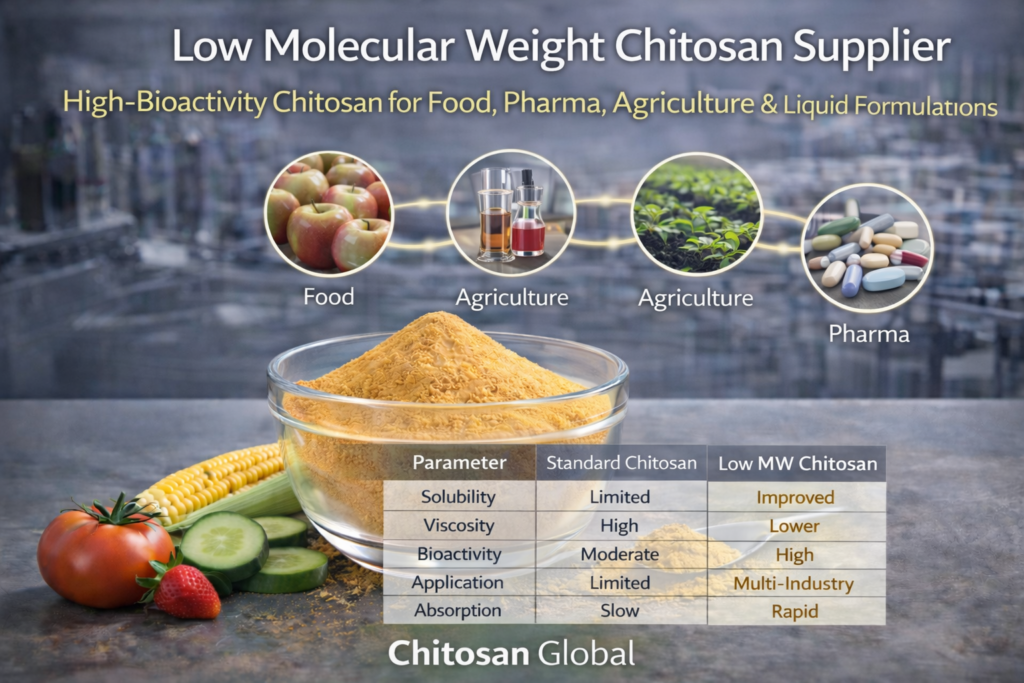
Chitosan Global – Industrial Supplier of Controlled Molecular Weight Chitosan for High-Performance Formulation Systems Low Molecular Weight Chitosan – Technical Snapshot Molecular Weight Ranges: <5 kDa (COS – ultra-low MW) 5–20 kDa (liquid formulations) 20–50 kDa (coatings & structured systems) Solubility: Improved vs native (fully soluble for COS) Degree of Deacetylation (DDA): 85–95% Viscosity: Low to moderate (controlled for formulation use) Appearance: Off-white to light yellow powder Origins Available: Mushroom / Shellfish / Black Soldier Fly Applications: Food, pharma, agriculture, liquid systems Get Bulk Pricing Most Buyers Don’t Need “Chitosan” — They Need Controlled Molecular Performance If you are searching for a low molecular weight chitosan supplier, you are not looking for generic chitosan. You are solving performance limitations: Poor solubility in water Slow absorption in biological systems High viscosity affecting formulation Inconsistent batch performance Limited usability in liquid and precision systems These issues are not formulation errors — they are molecular weight problems. Why Molecular Weight Controls Chitosan Performance Chitosan is not a single material — its performance is defined by molecular weight distribution. High Molecular Weight Chitosan (>100 kDa) Limited solubility High viscosity Structural applications (films, coatings) Low Molecular Weight Chitosan (LMW) Improved solubility Faster interaction with systems Better dispersion in liquids Higher biological activity Ultra-Low Molecular Weight (COS <5 kDa) Fully water-soluble Maximum bioavailability Rapid absorption and functionality This is why industries are shifting toward LMW chitosan and COS systems What is Low Molecular Weight Chitosan? Low molecular weight chitosan is produced through controlled depolymerization of native chitosan, reducing polymer chain length while preserving functional groups. This creates a high-performance material that bridges: Native chitosan → structural Chitosan oligosaccharide → highly bioactive Key Technical Characteristics Molecular Weight: Typically 1–50 kDa (customizable) Solubility: Significantly improved vs native chitosan Viscosity: Reduced for easier formulation Bioavailability: Enhanced due to smaller chain size Reactivity: Increased surface interaction How to Choose the Right Molecular Weight Choosing the correct MW range is essential for performance. <5 kDa (Chitosan Oligosaccharide – COS) Fully water-soluble Highest bioactivity Best for nutraceuticals, gut health, agriculture 5–20 kDa Excellent for liquid formulations Improved solubility and dispersion Ideal for pharma and beverage systems 20–50 kDa Balanced performance Moderate viscosity Suitable for coatings and structured formulations >50 kDa Structural applications Films, packaging, non-liquid systems Selecting the right MW directly impacts solubility, absorption, and final product performance Our Low Molecular Weight Chitosan Product System Chitosan Global supplies a structured portfolio, not a single product. 1. Chitosan Oligosaccharide (COS – Food Grade) Molecular Weight: <5 kDa Fully water-soluble High bioactivity Best For: Nutraceuticals Functional foods Plant growth enhancement 2. Chitosan Hydrochloride Enhanced solubility in aqueous systems Rapid dissolution in liquids Stable in formulation environments Best For: Beverages Pharmaceutical liquids High-clarity formulations 3. Controlled Low Molecular Weight Native Chitosan Molecular Weight: 5–50 kDa Moderate solubility Retains structural functionality Best For: Edible coatings Food preservation systems Controlled viscosity applications This MW-controlled system is where most suppliers fail — and where you gain a performance advantage Functional Advantages of Low Molecular Weight Chitosan 1. Improved Solubility & Dispersion Reduced polymer chain entanglement Better water interaction Stable dispersion in liquid systems 2. Higher Biological Activity Strong antimicrobial effects Enhanced antioxidant activity Increased cellular interaction 3. Faster System Penetration Smaller molecular size enables deeper interaction Improves delivery efficiency 4. Reduced Viscosity Easier processing Compatible with liquid formulations Scalable for industrial production Low Molecular Weight Chitosan vs Standard Chitosan Parameter Standard Chitosan Low MW Chitosan Solubility Limited Improved / full (COS) Viscosity High Controlled / lower Bioactivity Moderate High Absorption Slow Rapid Applications Limited Multi-industry This is the primary reason industries are upgrading to LMW systems Applications Across High-Value Industries Food Industry Edible coatings Shelf-life extension systems Functional food ingredients Beverage Processing Clarification systems Stability enhancement Protein interaction control Pharmaceutical & Nutraceutical Drug delivery systems Capsules and liquid formulations Bioavailability enhancement Agriculture Plant biostimulants Foliar spray systems Hydroponic nutrient delivery Industrial Applications Functional coatings Filtration systems Specialty polymer systems Formulation Compatibility (Real-World Performance) Low MW chitosan integrates with: Aqueous systems Neutral and acidic formulations Bioactive compounds Nutrient solutions Pharmaceutical carriers Designed for real formulation environments, not theoretical conditions Technical Specifications Degree of Deacetylation (DDA): 85–95% Molecular Weight Range: 1–50 kDa (customizable) Viscosity: Controlled for application Solubility Profile: Improved to fully soluble (COS) pH Performance: Functional across acidic to near-neutral systems COA, SDS, and technical documentation available for all batches Quality, Compliance & Supply Reliability COA available per batch SDS documentation available Food-grade and pharma-grade options Controlled molecular weight consistency Reliable global supply chain Consistency and reproducibility are critical for industrial buyers Why Buyers Choose Chitosan Global 1. Controlled Molecular Engineering Precise MW ranges, not random variability 2. Full Derivative Portfolio COS, COS HCl, LMW native, advanced derivatives 3. Industrial Supply Capability Bulk quantities Consistent quality Global logistics 4. Technical Support Application matching Formulation optimization Product selection guidance Strengthen Your Sourcing Strategy Explore related solutions: water-soluble chitosan supplier food grade chitosan supplier chitosan derivatives supplier chitosan oligosaccharide for plant growth enhancement Build a complete chitosan system, not just a single product Frequently Asked Questions What is the ideal molecular weight for nutraceuticals?Chitosan oligosaccharide (<5 kDa) offers the highest bioavailability and absorption. Is low molecular weight chitosan water-soluble?Yes, especially COS and modified derivatives, which are fully water-soluble. What is the difference between LMW chitosan and COS?COS is ultra-low MW (<5 kDa) and fully soluble, while LMW includes a broader MW range. Can LMW chitosan be used in food applications?Yes, food-grade variants are widely used in coatings and functional foods. Get Controlled Molecular Weight Chitosan for Your Application Stop using inconsistent chitosan that limits your formulation performance. Upgrade to precision-controlled low molecular weight chitosan engineered for industrial use. Request MW-specific samplesGet bulk pricing per kgTalk to our technical team Chitosan Global – Your trusted low molecular weight chitosan supplier for high-performance applications.
Gut Health Ingredients Supplier | Bulk Digestive Health Formulation Systems for Nutraceutical & Functional Food Brands
Chitosan Global – Advanced Supplier of Gut Health Ingredient Systems Using Chitosan Derivatives, Microbiome Support & Functional Delivery Technologies Gut Health Ingredient Systems – Built for Modern Formulations The gut health market is no longer driven by single ingredients. Modern products require multi-functional systems that support: microbiome balance digestion and absorption gut lining protection nutrient delivery efficiency Most suppliers only offer probiotics or fibers. Chitosan Global provides complete gut health formulation systems. Quick Overview (What You Get) Bulk supply of gut health ingredients Multi-layer formulation support Water-soluble & low molecular weight systems Functional delivery technologies (chitosan-based) Technical guidance for product development Request Bulk Pricing | Get Formulation Support | Order Samples Why Most Gut Health Products Fail (And How to Fix It) Most products are built like this: probiotic only or probiotic + prebiotic This leads to: poor absorption limited results weak differentiation in the market The Problem Is NOT the Ingredients — It’s the System Gut health performance depends on: how ingredients interact how they are delivered how they function inside the body This is where your formulation must evolve. Advanced Gut Health Formulation Stack Chitosan Global enables layered gut health systems using your full product portfolio. 1. Microbiome Support Layer Supports beneficial bacteria growth and balance. Compatible with: probiotics prebiotics synbiotic systems Works as the foundation of gut health formulations 2. Digestive Optimization Layer Using low molecular weight chitosan + COS systems, you improve: nutrient breakdown efficiency absorption rate formulation performance Products Used: Chitosan Oligosaccharide (COS) Chitosan Hydrochloride Ideal for capsules, powders, and liquid systems 3. Gut Barrier Protection Layer Most competitors ignore this. Your system includes: Products: Carboxymethyl Chitosan (CMC) Low Molecular Weight Chitosan Functional Benefits: supports intestinal lining reduces toxin interaction improves formulation stability This creates real functional advantage in the market 4. Functional Delivery & Absorption Layer Using advanced derivatives: Products: Quaternary Chitosan Trimethyl Chitosan (TMC) Benefits: enhanced bioavailability improved absorption of active compounds targeted delivery systems This is where you move from supplement → advanced formulation 5. Functional Enhancement Layer Using specialty derivatives: Products: Phosphorylated Chitosan Sulphonated Chitosan Benefits: mineral interaction and binding enhanced bioactivity improved formulation performance This is your high-end R&D layer Complete Product Portfolio for Gut Health Applications You are not offering one ingredient — you provide a full system: Core Materials Native Chitosan (Mushroom / Shellfish) Low Molecular Weight Chitosan Water-Soluble Systems Chitosan Oligosaccharide (COS) Chitosan Hydrochloride Functional Derivatives Carboxymethyl Chitosan (CMC) Quaternary Chitosan Advanced Specialty Derivatives Trimethyl Chitosan (TMC) Sulphonated Chitosan Phosphorylated Chitosan This portfolio enables complete gut health formulation systems How to Build a High-Performance Gut Health Product Basic (Low Performance) probiotic only Standard (Competitive) probiotic + prebiotic Advanced (High Performance) probiotic + prebiotic + enzyme Premium (Market-Leading – Your Position) probiotic + prebiotic + enzyme + chitosan system This is where your customers gain real differentiation Applications Across Industries Nutraceutical & Supplement Brands capsules powders gummies Functional Food & Beverage gut health drinks fortified foods Pharmaceutical Applications microbiome-targeted formulations GI support systems Why Buyers Choose Chitosan Global 1. System-Based Supply You provide complete formulation solutions 2. Unique Differentiation Most suppliers do NOT offer this 3. Industrial-Scale Supply bulk quantities consistent quality global logistics 4. Technical Support formulation guidance product selection performance optimization Frequently Asked Questions What are the most important gut health ingredients?Probiotics, prebiotics, enzymes, and functional bioactive compounds. Why are multi-ingredient formulations better?They improve digestion, microbiome balance, and absorption simultaneously. What makes your system different?Integration of chitosan derivatives for delivery, protection, and performance. Can these ingredients be used in supplements?Yes, they are suitable for nutraceutical and functional food applications. Build High-Performance Gut Health Products That Actually Work The market is crowded but most products are weak. Winning brands use: better systems better delivery better performance That’s exactly what Chitosan Global provides. Start Building Your Gut Health Product Today Request bulk ingredient pricingGet formulation supportOrder samples Chitosan Global – Your partner for advanced gut health ingredient systems.
Chitosan for Drug Delivery Systems | Pharmaceutical-Grade Chitosan for Nanoparticles, Controlled Release & Targeted Drug Deliver
Advanced Biopolymer for Modern Drug Delivery Applications Pharmaceutical companies and formulation scientists are increasingly shifting toward biodegradable, biocompatible polymers that improve drug performance while meeting regulatory and safety requirements. Chitosan and its derivatives have emerged as one of the most effective materials for drug delivery systems (DDS) due to their cationic nature, mucoadhesive properties, and ability to form nanoparticles and controlled-release systems. At Chitosan Global, we supply pharmaceutical-grade chitosan derivatives specifically designed for drug delivery, nanotechnology, and advanced therapeutic systems. What is Chitosan in Drug Delivery? Chitosan is a natural polysaccharide derived from chitin, widely used in pharmaceutical applications due to its: Biocompatibility and low toxicity Biodegradability in physiological conditions Cationic structure enabling drug interaction Ability to form nanoparticles and hydrogels These properties make it an ideal material for drug encapsulation, protection, and targeted delivery. For foundational material options, explore:chitosan derivatives supplier Mechanism of Action in Drug Delivery Systems Chitosan enhances drug delivery through multiple mechanisms: Electrostatic Interaction The positively charged chitosan interacts with negatively charged drug molecules and biological membranes, improving adhesion and absorption. Nanoparticle Formation Chitosan forms nano-sized carriers that encapsulate active pharmaceutical ingredients (APIs), protecting them from degradation. Controlled and Sustained Release Chitosan-based systems allow gradual drug release, improving therapeutic efficiency and reducing dosing frequency. Mucoadhesion and Permeability Enhancement Chitosan increases drug residence time in mucosal tissues and enhances epithelial permeability, improving bioavailability. Pharmaceutical-Grade Chitosan Derivatives for Drug Delivery Different drug delivery applications require different chitosan derivatives. We supply optimized materials for each use case: Chitosan Oligosaccharide Hydrochloride Best for: Nanoparticle drug delivery systems Improved drug absorption and bioavailability Rapid-release formulations This low molecular weight derivative is fully water-soluble, making it ideal for nanoparticle preparation and liquid formulations. Explore product:Chitosan Oligosaccharide Hydrochloride Carboxymethyl Chitosan Best for: Hydrogel drug delivery systems Sustained and controlled release formulations Water-soluble drug carriers This derivative offers excellent solubility and film-forming ability, making it suitable for injectable systems and tissue engineering applications. Explore product:Carboxymethyl Chitosan Trimethyl Chitosan (TMC) Best for: Oral drug delivery systems Mucosal and nasal delivery Permeability enhancement Trimethyl Chitosan is known for its ability to open tight junctions in epithelial cells, significantly improving drug absorption. Explore product:Trimethyl Chitosan Quaternary Chitosan Best for: Antimicrobial drug delivery systems Surface-active drug carriers Enhanced interaction with biological membranes This derivative provides strong cationic properties and antimicrobial functionality, ideal for advanced formulations. Explore product:Quaternary Chitosan Drug Delivery Applications Chitosan-based systems are used across multiple pharmaceutical delivery routes: Oral Drug Delivery Enhances absorption of poorly bioavailable drugs Protects active compounds from gastric degradation Nasal and Pulmonary Delivery Improves mucosal adhesion Enables rapid systemic absorption Transdermal Drug Delivery Facilitates penetration through skin barriers Supports controlled release systems Gene and Nucleic Acid Delivery Suitable for DNA, RNA, and vaccine delivery systems Protects genetic material during transport Cancer and Targeted Therapy Enables targeted delivery of chemotherapeutic agents Reduces systemic toxicity Technical Specifications (Pharmaceutical Grade) Typical Parameters: Molecular Weight: Low / Medium / High (application-dependent) Degree of Deacetylation: ≥ 90% Purity: ≥ 98% Solubility: Water-soluble or pH-dependent Zeta Potential: Strong positive charge pH (1% solution): Controlled for formulation compatibility Functional Properties: Biocompatible Biodegradable Non-toxic Mucoadhesive Film-forming Documentation Available:COA for all pharmaceutical-grade materials Why Pharmaceutical Companies Use Chitosan Improves drug bioavailability Enables controlled release systems Supports nanoparticle drug delivery Enhances mucosal absorption Reduces toxicity and side effects Compatible with a wide range of APIs Chitosan is widely recognized as a versatile excipient for advanced drug delivery systems. Bulk Supply and Pharmaceutical Procurement We supply high-quality chitosan derivatives for: Pharmaceutical manufacturers Drug formulation companies Biotechnology firms Research institutions Supply Capabilities: Pharmaceutical-grade production Batch consistency and traceability Custom molecular weight and specifications Global export support Packaging options include: Sample quantities for R&D 1 kg standard packaging Bulk supply for industrial-scale production For complete formulation solutions, explore: chitosan oligosaccharide hydrochloride for nanoparticles carboxymethyl chitosan for hydrogels trimethyl chitosan for oral delivery quaternary chitosan for antimicrobial systems Frequently Asked Questions Why is chitosan used in drug delivery systems?Chitosan offers biocompatibility, biodegradability, and the ability to enhance drug absorption and controlled release. What type of chitosan is best for nanoparticles?Low molecular weight chitosan such as chitosan oligosaccharide hydrochloride is typically preferred. Is chitosan safe for pharmaceutical use?Yes, it is widely studied and used in pharmaceutical applications, subject to formulation and regulatory requirements. Can chitosan be used for gene delivery?Yes, it is commonly used for DNA and RNA delivery due to its ability to protect and transport genetic material. Which chitosan is best for oral drug delivery?Trimethyl Chitosan is widely used due to its permeability-enhancing properties. Request Bulk Supply and Technical Support If you are developing drug delivery systems, nanoparticle formulations, or controlled-release pharmaceuticals, we can supply the right chitosan material for your application. Request technical data, samples, or bulk pricing: steve@chitosanglobal.com Develop advanced drug delivery systems with high-performance chitosan materials designed for modern pharmaceutical innovation.
Chitosan for Skin Care – Natural Ingredient for Healthy, Hydrated & Protected Skin
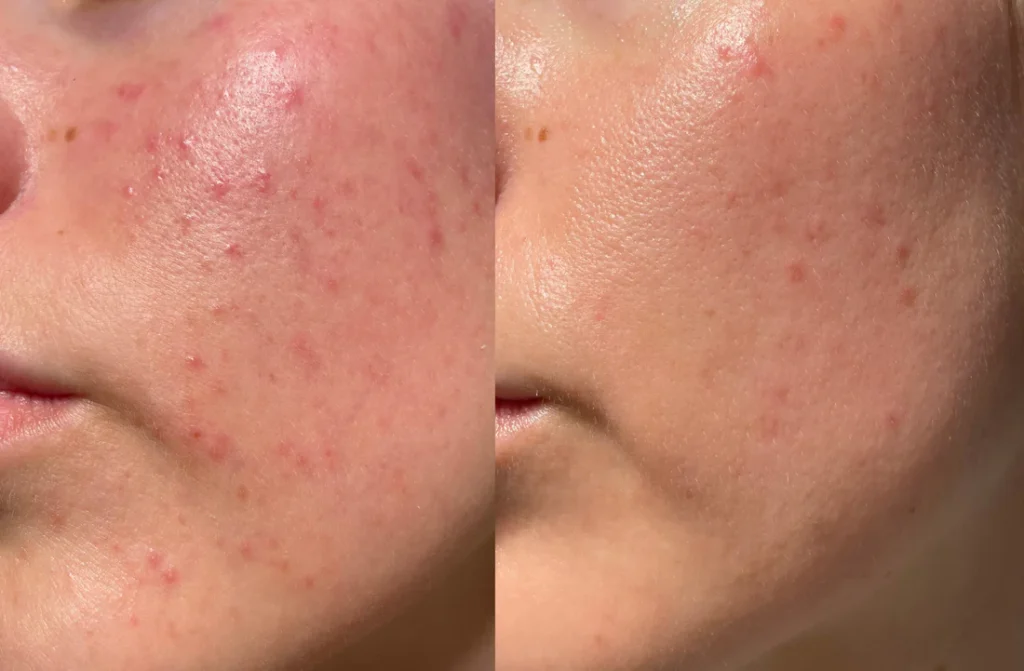
Chitosan is a high-performance natural biopolymer widely used as a functional ingredient in cosmetic and skin care formulations. For manufacturers and formulators, chitosan offers moisturizing, film-forming, and antimicrobial properties, making it ideal for developing advanced, clean-label, and high-performance skincare products. As consumer demand for natural and sustainable cosmetics continues to grow, chitosan is becoming a key raw material in modern cosmetic manufacturing. We supply bulk cosmetic-grade chitosan for skin care manufacturers, including water-soluble and high-performance derivatives. What is Chitosan in Skin Care? Chitosan is a naturally derived biopolymer obtained from chitin, sourced from shellfish or fungal origins. It is widely used in cosmetic formulations, pharmaceuticals, food preservation, and water treatment due to its biocompatibility, biodegradability, and functional versatility. In skincare, chitosan acts as a multi-functional ingredient, enhancing both product performance and skin compatibility. How Chitosan Works in Skin Care Formulation Chitosan functions through its cationic (positively charged) structure, which allows it to interact effectively with the skin surface. This enables it to: Form a breathable protective film on the skin Bind with skin proteins for improved adhesion Lock in moisture and reduce water loss Support a balanced skin microbiome This mechanism makes chitosan highly effective in cosmetic and dermatological formulations. Key Formulation Benefits of Chitosan Improves hydration retention in formulations Enhances texture and spreadability Stabilizes active ingredients Provides natural antimicrobial support Reduces dependence on synthetic additives Why Manufacturers Use Chitosan in Skin Care Production For cosmetic brands and formulators, chitosan provides significant advantages: Enables clean-label and natural product positioning Improves formulation performance and stability Meets increasing regulatory and consumer demands Supports eco-friendly and biodegradable product lines Enhances product differentiation in competitive markets This makes chitosan a strategic ingredient for modern cosmetic manufacturing. Best Types of Chitosan for Skin Care Formulation Manufacturers typically use: Carboxymethyl Chitosan (CMCS) → Water-soluble, ideal for creams and gels Chitosan Oligosaccharide (COS) → High bioactivity and skin absorption Quaternary Chitosan → Strong antimicrobial and conditioning performance These derivatives are widely used in chitosan in cosmetic formulations and advanced skincare products. Chitosan vs Synthetic Ingredients in Skin Care Feature Chitosan Synthetic Ingredients Source Natural Chemical Safety High Moderate Environmental Impact Low High Skin Compatibility Excellent Variable Consumers prefer natural skincare solutions over synthetic ones Applications of Chitosan in Skin Care Products Chitosan is widely used in: Moisturizers and creams Anti-acne formulations Anti-aging products Serums and lotions Face masks and protective coatings It is also used in natural polymer in cosmetics and advanced bio-based formulations. Related Applications of Chitosan Chitosan is a multi-industry biopolymer used in: Chitosan for hair care formulations Natural food preservation solution (chitosan edible coating) Extend shelf life naturally in food systems Chitosan for water treatment applications This highlights its versatility across industries. Bulk Chitosan Supplier for Cosmetic Manufacturers Looking for a reliable chitosan supplier for skin care formulations? We provide: Cosmetic-grade chitosan Carboxymethyl chitosan (water-soluble) Chitosan oligosaccharide Quaternary chitosan ✔ Bulk industrial supply✔ Multiple grades (cosmetic / pharma / industrial)✔ Consistent quality and scalable production✔ Custom formulation support✔ Technical consultation Contact us today for bulk pricing and technical specifications. FAQs Is chitosan used in cosmetic manufacturing? Yes, chitosan is widely used as a functional ingredient in cosmetic formulations due to its moisturizing, antimicrobial, and film-forming properties. Is chitosan safe for skin? Yes, chitosan is biocompatible, non-toxic, and skin-friendly, making it suitable for cosmetic applications. What does chitosan do in skincare? Chitosan helps hydrate, protect, and improve skin texture while supporting the skin barrier. Can chitosan help with acne formulations? Yes, due to its antimicrobial properties, chitosan is commonly used in anti-acne and skin protection products.
Natural Polymer in Cosmetics – The Future of Safe & Sustainable Beauty Ingredients
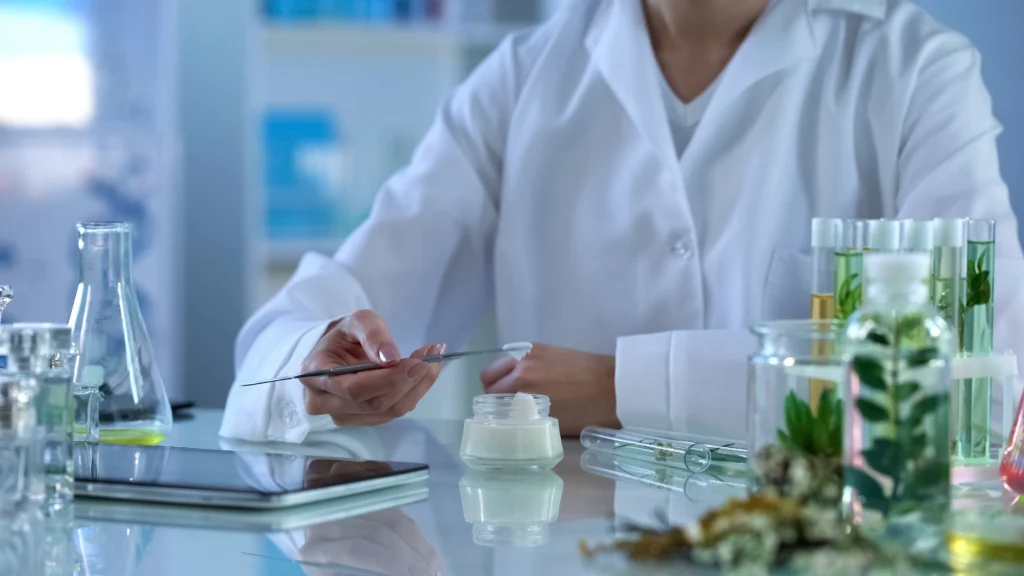
Natural polymers are transforming the cosmetics industry, and among them, chitosan stands out as a high-performance, multifunctional ingredient. For cosmetic manufacturers and formulators, chitosan provides film-forming, moisturizing, and antimicrobial properties, making it ideal for modern, clean-label, and eco-friendly formulations. As demand for sustainable beauty products continues to grow, chitosan is becoming a key raw material in cosmetic innovation. We supply bulk cosmetic-grade chitosan for cosmetic manufacturers, including water-soluble and high-performance derivatives. What is a Natural Polymer in Cosmetics? A natural polymer in cosmetics is a biodegradable material derived from natural sources such as plants, marine organisms, or fungi. These materials are widely used because they: Improve formulation stability Enhance moisture retention Provide film-forming properties Support active ingredient delivery Among these, chitosan in cosmetic formulations is one of the most versatile and effective options available today. Why Natural Polymers Are Better Than Synthetic Ingredients The cosmetics industry is shifting away from synthetic ingredients due to increasing consumer awareness and regulatory pressure. Natural polymers offer: Better skin compatibility Reduced environmental impact Improved safety profiles Enhanced product performance This shift is driving demand for natural polymer cosmetics and sustainable formulations. Role of Chitosan as a High-Performance Natural Polymer Chitosan is a bio-based polymer derived from chitin and widely used in cosmetic applications due to its multifunctional properties. It acts as: A film-forming agent that protects skin and hair A natural antimicrobial ingredient A moisturizing and conditioning agent A stabilizer for active ingredients A delivery enhancer for cosmetic actives This makes chitosan a core ingredient in advanced cosmetic formulations. Key Formulation Benefits of Chitosan in Cosmetics Improves hydration and moisture retention Enhances product texture and spreadability Stabilizes formulations and active ingredients Provides natural preservation support Reduces reliance on synthetic additives Why Manufacturers Prefer Chitosan in Cosmetics For cosmetic brands and product developers, chitosan offers strategic advantages: Enables clean-label and natural product positioning Supports sustainable and eco-friendly branding Improves product differentiation in competitive markets Helps meet regulatory and safety standards Enhances overall formulation performance This positions chitosan as a high-value raw material for cosmetic manufacturing. Best Chitosan Types Used in Cosmetics Manufacturers commonly use: Carboxymethyl Chitosan (CMCS) → Water-soluble, ideal for creams and gels Chitosan Oligosaccharide (COS) → High bioactivity and absorption Quaternary Chitosan → Strong antimicrobial and conditioning properties These derivatives are widely used in chitosan in cosmetic formulations. Natural Polymers vs Synthetic Polymers in Cosmetics Feature Natural Polymers (Chitosan) Synthetic Polymers Source Natural Petrochemical Safety High Moderate Environmental Impact Low High Biodegradability Yes No Market Trend Growing rapidly Declining Applications of Chitosan in Cosmetics Chitosan is widely used in: Skin care products (creams, serums, lotions) Hair care formulations (shampoo, conditioner) Anti-aging products Acne treatment formulations Protective cosmetic coatings It plays a key role in natural polymer cosmetics and bio-based beauty formulations. Related Applications of Chitosan Chitosan is also used across industries: Chitosan for skin care formulations Chitosan for hair care formulations Natural food preservation solution (edible coating) Chitosan for water treatment applications This highlights its versatility as a multi-industry material. Bulk Chitosan Supplier for Cosmetic Manufacturers Looking for a reliable chitosan supplier for cosmetic formulations? We provide: Cosmetic-grade chitosan Carboxymethyl chitosan (water-soluble) Chitosan oligosaccharide Quaternary chitosan Bulk industrial supplyMultiple grades availableConsistent quality and scalable productionCustom formulation supportTechnical consultation Contact us today for bulk pricing and product specifications. FAQs – Chitosan in Cosmetics What is a natural polymer in cosmetics? A biodegradable material used to improve cosmetic formulations naturally, enhancing performance and safety. Why is chitosan used in cosmetics? Because of its antimicrobial, moisturizing, and film-forming properties, making it highly effective in modern formulations. Is chitosan safe for cosmetic use? Yes, chitosan is biocompatible, non-toxic, and skin-friendly, making it suitable for cosmetic applications. Is chitosan used in cosmetic manufacturing? Yes, chitosan is widely used as a functional natural polymer in cosmetic formulations.
How to Extend Fruit Shelf Life Naturally – Proven Methods for Long-Lasting Freshness
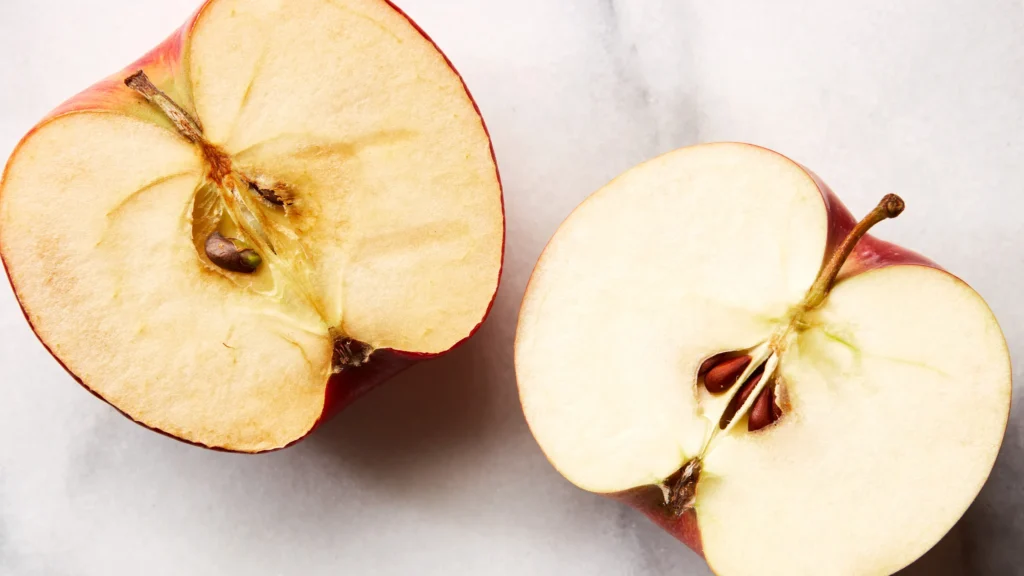
Why Extending Fruit Shelf Life Matters Fresh fruits are highly perishable and can spoil quickly due to microbial growth, moisture loss, oxidation, and physical damage. For farmers, exporters, and food businesses, reducing spoilage is essential to maintain quality and minimize losses. That’s why many industries are now searching for effective ways to extend fruit shelf life naturally without relying on harmful chemicals. Natural preservation methods not only improve storage but also support clean-label, eco-friendly food systems. What Causes Fruits to Spoil Quickly? Fruits deteriorate due to several key factors: Microbial growth (bacteria and fungi) Moisture loss and dehydration Oxidation (browning and nutrient loss) Physical damage during handling and transport Understanding these causes helps in applying the right preservation methods. Best Natural Ways to Extend Fruit Shelf Life 1. Use Natural Edible Coatings One of the most effective solutions is using chitosan edible coating for fruit preservation, which forms a breathable protective layer on fruit surfaces. Reduces moisture loss Slows microbial growth Maintains freshness and texture Widely used in post-harvest treatment and food preservation systems. 2. Control Temperature & Storage Conditions Proper temperature management is critical for extending fruit shelf life: Store fruits at optimal temperatures Use refrigeration for perishable fruits Avoid direct sunlight and heat exposure Temperature control significantly improves storage life. 3. Use Natural Antimicrobial Agents Natural compounds like chitosan act as a chitosan food preservative: Inhibits bacterial and fungal growth Keeps fruits fresh longer Reduces spoilage without chemicals 4. Proper Packaging Techniques Using the right packaging helps maintain fruit quality: Use breathable packaging materials Prevent excess moisture buildup Choose eco-friendly packaging solutions Proper packaging reduces contamination and decay. 5. Reduce Handling Damage Handling plays a major role in shelf life: Handle fruits carefully Avoid bruising and cuts Use proper transportation methods Physical damage accelerates spoilage. Role of Chitosan in Natural Fruit Preservation Chitosan plays a key role in extending fruit shelf life naturally due to its unique properties: Antimicrobial activity Film-forming ability Moisture retention It is widely used in: Chitosan edible coating Shelf life extension systems Food preservation applications Commonly applied to apples, strawberries, mangoes, and other fruits during storage and transport. Natural vs Chemical Preservation Methods Feature Natural Methods (Chitosan) Chemical Methods Safety High Moderate Environmental Impact Low High Consumer Preference High Low Sustainability Strong Weak Natural preservation methods are becoming the preferred choice globally. Key Benefits of Natural Shelf Life Extension Safer for human consumption Eco-friendly and biodegradable Supports organic and clean-label products Reduces food waste Improves supply chain efficiency Ideal for farmers, exporters, and food businesses. Related Topics You Should Explore Chitosan edible coating for food preservation Chitosan shelf life extension solutions Chitosan food preservative applications Chitosan in food industry Looking for Natural Fruit Preservation Solutions? If you are working on fruit preservation or food processing, we provide: Food-grade chitosan Water-soluble chitosan derivatives Bulk supply for industrial applications Ideal for exporters, farmers, and food manufacturers. Contact us for bulk pricing and technical support. FAQs – Fruit Shelf Life Extension What is the best natural way to extend fruit shelf life? Using edible coatings like chitosan along with proper storage conditions. Can natural methods replace chemical preservatives? Yes, natural methods are safer and increasingly preferred in modern food systems. How does chitosan help preserve fruits? Chitosan forms a protective antimicrobial layer that reduces spoilage and maintains freshness. Which fruits benefit most from shelf life extension methods? Apples, bananas, strawberries, mangoes, and citrus fruits benefit significantly.
Chitosan for Dye Removal in Wastewater – Eco-Friendly Textile Treatment Solution
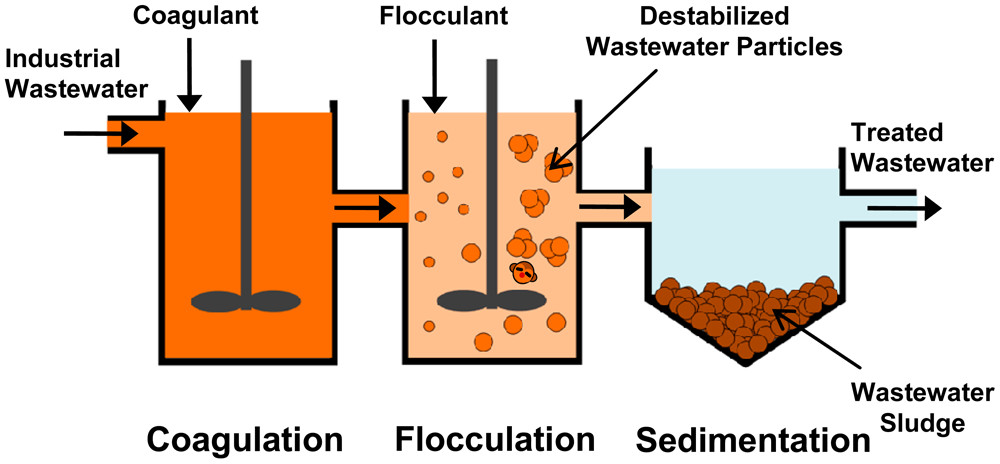
Why Dye Removal is a Major Challenge in Wastewater Treatment Industrial dye pollution is one of the most serious environmental challenges, especially in textile, leather, and chemical industries. Colored wastewater not only affects water quality but also blocks light penetration and harms aquatic life. Chitosan is widely used in industrial wastewater treatment for dye removal due to its high adsorption capacity, strong flocculation performance, and eco-friendly nature. It is especially effective in textile wastewater systems where synthetic dyes are difficult to remove. Compared to traditional chemical treatments, chitosan provides better performance with lower environmental impact. What is Chitosan and Why is it Used for Dye Removal? Chitosan is a natural biopolymer derived from chitin with a strong positive charge (zeta potential). This makes it highly effective in binding negatively charged dye molecules in wastewater. It works through a combination of: Electrostatic attraction Adsorption mechanism Flocculation and sedimentation This multi-action process makes dye removal highly efficient and reliable in industrial applications. Why Chitosan is Highly Effective for Dye Removal Chitosan is considered one of the best solutions for dye removal because: Binds strongly with negatively charged dye molecules Works effectively on reactive, azo, and synthetic dyes Reduces color, COD, and turbidity Requires lower dosage compared to chemicals Produces significantly less sludge Works across a wide pH range This makes chitosan a superior alternative to traditional chemical treatments. How Chitosan Removes Dyes from Water Electrostatic Attraction Chitosan binds with negatively charged dye molecules through ionic interactions. Adsorption Mechanism It adsorbs dye particles onto its surface, removing them from water. Flocculation & Sedimentation Forms large flocs that settle quickly, making separation easy. This combination of adsorption and flocculation ensures high removal efficiency. Types of Dyes Removed by Chitosan Chitosan is highly effective against different types of dyes used in industries: Reactive dyes Acid dyes Basic dyes Azo dyes Synthetic textile dyes This versatility makes it ideal for textile wastewater treatment systems. Key Benefits of Chitosan for Dye Removal Natural and biodegradable Highly effective for textile dyes Works at low dosage Reduces sludge production Non-toxic and environmentally safe Improves overall water clarity Ideal for industries looking for eco-friendly dye removal solutions. Industrial Applications Chitosan is widely used across multiple industries: Textile Industry Removes synthetic dyes from textile wastewater efficiently. Leather Processing Treats colored effluents in leather industries. Chemical & Dye Manufacturing Removes dyes from industrial discharge. Printing & Dyeing Units Improves wastewater quality before discharge. Learn how chitosan improves wastewater treatment performance in industrial systems. Chitosan vs Chemical Dye Removal Methods Feature Chitosan Chemical Treatment Source Natural Synthetic Environmental Impact Low High Efficiency High Moderate Sludge Production Low High Toxicity Non-toxic Potential risks Chitosan vs Chemical Dye Removal in Wastewater Treatment Feature Chitosan Chemical Treatment Source Natural Synthetic Environmental Impact Low High Efficiency High Moderate Sludge Production Low High Toxicity Non-toxic Potential risks Chitosan provides a more sustainable and efficient solution compared to chemical treatments. Environmental & Sustainability Advantages Chitosan supports sustainable wastewater treatment by: Reducing chemical pollution Lowering sludge disposal costs Supporting green industrial processes Meeting environmental compliance standards Ideal for industries focusing on ESG and sustainability goals. Types of Chitosan Used for Dye Removal Native chitosan → basic dye removal Quaternary chitosan → enhanced performance Carboxymethyl chitosan → water-soluble systems Chitosan oligosaccharide → high reactivity Related Topics You Should Explore Learn how chitosan improves water treatment efficiency Discover eco-friendly dye removal in textile wastewater Explore heavy metal removal using natural biopolymers Compare chitosan vs alum in water treatment Understand natural vs chemical wastewater treatment methods Looking for Industrial Chitosan for Dye Removal in Wastewater Treatment? We supply high-quality industrial-grade chitosan for dye removal and wastewater treatment, including: High-performance flocculant grades Customized solutions for textile industries Bulk supply for industrial applications Suitable for wastewater plants and manufacturers. Contact us for bulk pricing and technical support. FAQs – Chitosan for Dye Removal Is chitosan effective for dye removal? Yes, chitosan is highly effective due to its strong adsorption and flocculation properties. What types of dyes can chitosan remove? Chitosan can remove reactive, azo, acid, and synthetic dyes from wastewater. Can chitosan replace chemical treatments? In many cases, yes. It provides better environmental and efficiency benefits. Is chitosan safe for wastewater treatment? Yes, chitosan is biodegradable, non-toxic, and environmentally friendly.
Natural Coagulant for Wastewater Treatment – Eco-Friendly & Efficient Water Purification Solution
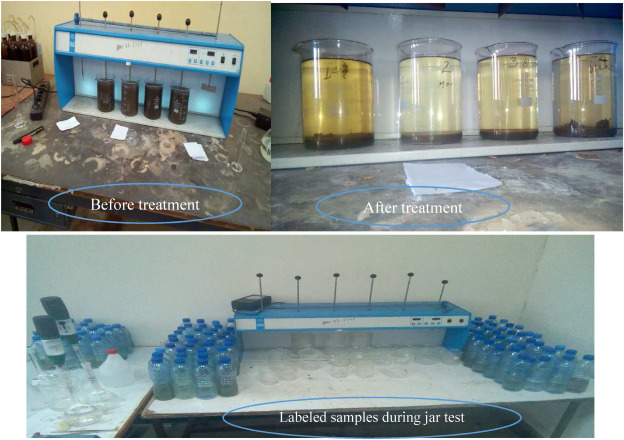
Why Natural Coagulants Are Replacing Chemical Treatment Wastewater treatment is rapidly evolving as industries shift toward safer, more sustainable, and eco-friendly solutions. One of the most effective innovations is the use of natural coagulant for wastewater treatment, especially chitosan-based solutions. Chitosan is one of the most effective natural coagulants for wastewater treatment, widely used for removing suspended solids, heavy metals, dyes, and microplastics from industrial water systems. Traditional chemical coagulants like alum and synthetic polymers are effective but often cause environmental concerns, sludge issues, and chemical residues. In contrast, natural coagulants provide efficient treatment with minimal environmental impact. What is a Natural Coagulant? A natural coagulant is a substance derived from organic or biodegradable materials that helps remove contaminants from water by: Neutralizing suspended particles Binding impurities into flocs Enhancing sedimentation and filtration Common natural coagulants include: Chitosan (most effective biopolymer) Plant-based coagulants Starch and protein-based materials Among these, chitosan stands out due to its superior performance and efficiency. Why Chitosan is the Best Natural Coagulant for Wastewater Treatment Among all natural options, chitosan for wastewater treatment is the most effective because: Strong positive charge (zeta potential) improves particle removal Excellent flocculation efficiency Works effectively across a wide pH range Produces significantly less sludge Requires lower dosage compared to chemicals Completely biodegradable and non-toxic This makes chitosan a high-performance alternative to traditional chemical coagulants. How Natural Coagulants Work in Wastewater Treatment Charge Neutralization Natural coagulants neutralize negatively charged particles, allowing them to bind together. Floc Formation They form larger, denser flocs that settle quickly. Improved Clarification This results in clearer water and efficient removal of contaminants. This mechanism is similar to chemical coagulants but without harmful side effects. Key Benefits of Natural Coagulants Eco-friendly and biodegradable Non-toxic and safe for the environment Lower sludge production Reduced chemical usage Improved water quality Suitable for sustainable industries These advantages make natural coagulants a preferred solution for modern wastewater treatment systems. Applications in Wastewater Treatment Natural coagulants are widely used across different industries: Industrial Wastewater Used in textile, dye, chemical, and manufacturing industries. Heavy Metal Removal Effective in removing toxic metals from contaminated water. Learn how heavy metals can be removed using chitosan-based treatment solutions. Microplastic Removal Captures microplastics in water systems efficiently. Discover microplastic removal methods using natural coagulants. Food Processing Wastewater Used in food and beverage industries for safe treatment. Municipal Wastewater Treatment Supports sustainable urban water management systems. Natural Coagulant vs Chemical Coagulant in Wastewater Treatment Feature Natural Coagulants (Chitosan) Chemical Coagulants Source Natural Synthetic Environmental Impact Low High Sludge Production Low High Toxicity Non-toxic Potentially harmful Efficiency High Moderate Sustainability Excellent Limited Natural coagulants provide a more sustainable and environmentally friendly solution. Advantages of Using Natural Coagulants in Industrial Wastewater Treatment Reduces environmental pollution Meets strict regulatory standards Improves operational efficiency Minimizes sludge disposal costs Supports green chemistry initiatives This makes natural coagulants ideal for industries focusing on sustainability and compliance. Sustainability & Environmental Impact Natural coagulants support: Green chemistry Reduced pollution Sustainable water management Environmental compliance Chitosan aligns perfectly with modern ESG and sustainability goals. Why Industries Are Switching to Natural Coagulants Increasing environmental regulations Demand for eco-friendly solutions Reduced sludge disposal cost Improved water quality standards As industries move toward sustainability, natural coagulants are becoming the preferred choice. Which One Should You Choose? Choose Chemical Coagulants if: Budget is very limited Basic water clarification is required Choose Natural Coagulants (Chitosan) if: You need high efficiency You want eco-friendly treatment You aim to reduce sludge and chemicals You are targeting industrial or export standards For modern systems, chitosan is the better long-term solution. Related Topics You Should Explore Learn how chitosan improves water treatment efficiency Discover heavy metal removal using natural biopolymers Explore microplastic removal solutions for wastewater Compare chitosan vs alum in water treatment Understand natural vs chemical treatment methods Looking for Chitosan-Based Natural Coagulant for Wastewater Treatment? We supply high-quality chitosan for industrial wastewater treatment, including: High-performance flocculant grade Customized molecular weight options Bulk supply for industrial use Ideal for wastewater plants, manufacturers, and environmental solutions. Contact us for bulk pricing and technical support. FAQs – Natural Coagulant for Wastewater Treatment What is the best natural coagulant for wastewater? Chitosan is considered one of the most effective natural coagulants due to its high efficiency and eco-friendly properties. Can natural coagulants replace chemical treatment? Yes, natural coagulants can replace chemical treatments in many industrial and sustainable water systems. Is chitosan safe for water treatment? Yes, chitosan is biodegradable, non-toxic, and safe for environmental applications. Does chitosan reduce sludge? Yes, chitosan produces significantly less sludge compared to traditional chemical coagulants.
Chitosan for Water Treatment – Natural & Efficient Solution for Clean Water
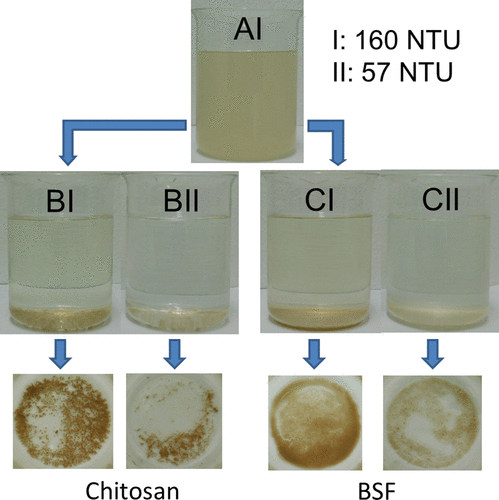
Why Chitosan is Gaining Attention in Water Treatment As industries and environmental agencies search for safer and more sustainable water treatment solutions, chitosan for water treatment is becoming increasingly popular. Unlike traditional chemical coagulants, chitosan is a natural, biodegradable polymer that effectively removes contaminants while reducing environmental impact. This makes it an ideal solution for modern wastewater treatment and water purification systems What is Chitosan and How Does It Work? Chitosan is derived from natural sources and carries a strong positive charge (zeta potential). This allows it to bind with negatively charged contaminants such as: Suspended particles Organic matter Microplastics Heavy metals How it works: Neutralizes particle charges Forms larger flocs Helps contaminants settle quickly This process makes chitosan flocculant water treatment highly efficient. Key Benefits of Chitosan for Water Treatment Natural and biodegradable Non-toxic and environmentally safe Reduces sludge production Works effectively across different pH levels Requires lower dosage than chemicals Improves water clarity These benefits make chitosan for water treatment a strong alternative to chemical solutions. Below is a quick overview of how chitosan is used across different industries. Application Use Case Industry Water Treatment natural flocculant for wastewater treatment Industrial Food chitosan edible coating for food preservation Food Cosmetics chitosan for skin care benefits Beauty Agriculture Biopesticide Farming Medical Drug delivery Healthcare Applications of Chitosan in Water Treatment Industrial Wastewater Treatment Used in textile, chemical, and manufacturing industries to remove pollutants. Heavy Metal Removal Chitosan binds with toxic metals like lead and arsenic. Microplastic Removal Effectively captures microplastics from water systems. Drinking Water Purification Improves water clarity and removes impurities safely. Oil, Dye & Organic Pollutant Removal Used in industrial discharge treatment and environmental cleanup. Chitosan vs Traditional Coagulants Traditional coagulants like alum are widely used, but they have limitations. Why chitosan is preferred: Lower sludge production Reduced chemical dependency Better environmental safety Higher efficiency at lower doses Environmental Advantages Chitosan supports sustainable water treatment practices: Biodegradable material Reduces chemical pollution Supports eco-friendly processes Ideal for industries focusing on environmental compliance Types of Chitosan Used in Water Treatment Native chitosan → general use Quaternary chitosan → enhanced antimicrobial properties Carboxymethyl chitosan → water-soluble applications Chitosan oligosaccharide → high reactivity Each type is selected based on specific treatment needs Related Topics You Should Explore Learn how chitosan works as a natural flocculant in water treatment Discover methods for removing heavy metals using chitosan Explore microplastic removal solutions using biopolymers Read about eco-friendly wastewater treatment alternatives Conclusion Chitosan for water treatment offers a powerful combination of efficiency, safety, and sustainability. As industries move away from traditional chemicals, chitosan provides a natural solution that improves water quality while protecting the environment. It is becoming a key component in next-generation water treatment systems Looking for high-quality chitosan for water treatment or industrial applications? Contact us for bulk supply and wholesale pricing. FAQs – Chitosan for Water Treatment Is chitosan effective for wastewater treatment? Yes, it efficiently removes contaminants and improves water clarity. Can chitosan replace chemical coagulants? In many cases, yes. It provides better environmental and operational benefits. Is chitosan safe for water purification? Yes, it is non-toxic and biodegradable.