
How Chitosan Coatings Work on Produce Surfaces
A natural, breathable surface technology designed to support produce quality from packing line to destination. Chitosan technology supports quality maintenance through a natural, breathable protective barrier. Introduction Chitosan-based coatings are used on fresh produce to create a thin, adherent surface layer that helps maintain freshness, visual quality, and shelf-life potential. For growers, packers, shippers, and produce buyers, the value of this technology lies in its ability to work with the produce surface itself rather than covering it with an impermeable seal. When properly applied as a spray, dip, or wash, chitosan forms a uniform and semi-permeable film that helps moderate moisture loss and surface exposure. The result is a breathable barrier that supports quality maintenance while creating a less favorable surface environment for spoilage organisms. How It Works 1. Chitosan Anchors to the Produce Surface Chitosan is a cationic biopolymer. When dissolved in a mild acidic solution, its amino groups become protonated, giving the molecule a positive charge. Produce surfaces, including natural cuticles, contain negatively associated surface groups such as carboxyl and hydroxyl functionalities. This difference in charge creates electrostatic attraction, allowing chitosan to anchor closely to the produce surface. That adhesion is the starting point for barrier formation. Instead of sitting loosely on the exterior, the coating associates with the surface in a way that supports consistent coverage and film development. 2. A Thin Film Forms as Moisture Evaporates After application, the water phase begins to evaporate. As this occurs, chitosan molecules self-organize into a thin, continuous polymer network on the surface of the fruit or vegetable. This film is not intended to behave like plastic packaging. It remains breathable and flexible while still providing surface coverage. Uniform in appearance Flexible on the produce surface Breathable rather than fully sealed Adherent through surface-level attraction 3. The Film Is Semi-Permeable Chitosan films allow oxygen, carbon dioxide, and water vapor to pass through at moderated rates. Because the coating is semi-permeable, it does not trap the produce in a closed environment. Instead, it helps slow gas and moisture exchange in a controlled way. This moderated exchange can help reduce surface dehydration, limit excessive moisture loss, and support a more stable microenvironment at the produce surface. These are quality-maintenance effects that may contribute to improved handling performance and better delivered condition. 4. The Surface Environment Becomes Less Favorable for Spoilage Organisms Once the barrier is in place, the produce surface becomes less accommodating to many spoilage organisms. The coating can reduce freely available surface moisture, limit direct access to surface nutrients, and create a physical separation between the produce and external microbial pressure. Chitosan’s cationic character may also interfere with how certain negatively charged spoilage organisms attach to the surface. This is important because attachment is often an early step in surface colonization. By making adhesion more difficult, the coating helps support cleaner, more stable produce surfaces during postharvest handling. Why It Matters Fresh produce quality can change quickly once water loss, respiration, and surface spoilage pressure begin to accumulate. Even small improvements in surface stability can influence appearance, firmness, saleability, and destination quality. Chitosan coatings are valuable because they address these issues through a single integrated mechanism: a breathable surface barrier that adheres well and functions naturally on the produce exterior. For commercial operations, this means a technology platform that can fit quality programs focused on freshness retention, shrink reduction, and improved consistency across storage, transport, and retail presentation. Key Benefits Forms a thin, continuous coating directly on produce surfaces Uses electrostatic attraction to promote strong surface adhesion Creates a breathable, semi-permeable barrier rather than a plastic-like seal Helps slow moisture loss and reduce surface dehydration Supports moderated respiration and a more stable surface microenvironment Helps limit conditions that favor spoilage organism attachment and growth Supports freshness, visual quality, and shelf-life potential Suitable for quality-focused postharvest handling programs Applications Chitosan coating technology can be integrated into produce handling systems where surface protection and delivered quality are important. Depending on the commodity and process flow, application may be incorporated through spray, dip, or wash-based treatment steps. Fresh fruit packing operations Vegetable packing and handling lines Postharvest quality management programs Domestic and export shipping systems Operations seeking natural, breathable coating solutions The technology is especially relevant where preserving appearance, reducing moisture-related quality loss, and supporting a cleaner surface environment are commercial priorities. Closing Perspective Chitosan works on produce surfaces through a straightforward but effective sequence: it becomes positively charged in mild acid, anchors to the naturally charged produce exterior, and then self-assembles into a breathable semi-permeable film as water evaporates. That film helps regulate moisture and gas exchange while creating surface conditions that are less favorable for spoilage organisms. For the produce industry, this offers a practical surface technology grounded in barrier performance, adhesion, and quality maintenance. Contact Chitosan Global To learn how chitosan coating technology may fit your commodity, packing process, or postharvest program, contact Chitosan Global for technical information and commercial guidance. Website: chitosanglobal.com
Industrial Chitosan Manufacturer | Bulk Biopolymer Solutions for Water Treatment, Agriculture, Coatings & Advanced Industrial Systems
Still Using Synthetic Polymers That Increase Cost, Compliance Risk & Environmental Pressure? Industrial manufacturers today are facing a serious shift. Rising regulatory pressure.Higher raw material costs.Stricter environmental standards. And at the same time: Synthetic polymers are becoming harder to justify in modern industrial systems. If your operations depend on: chemical flocculants synthetic binders non-biodegradable additives petroleum-based polymers You are already exposed to: compliance risk long-term cost escalation sustainability challenges This is why industrial chitosan is rapidly replacing traditional materials. Industrial Chitosan Manufacturer for High-Performance Bulk Applications At Chitosan Global, we are not just a supplier. We are a specialized industrial chitosan manufacturer delivering scalable, application-ready biopolymer solutions for: water treatment systems agriculture inputs coatings & materials textile processing industrial formulations Our focus is simple: Deliver performance + compliance + scalability in one material system. Technical Specifications Our industrial chitosan materials are engineered for real-world applications: Degree of Deacetylation (DDA): 85–95% Molecular Weight Range: 10 kDa – 500 kDa (customizable) Viscosity: 100 – 800 mPa·s (1% solution) Charge Density: High cationic functionality Solubility: Acid-soluble & water-soluble variants available Form: Fine powder / customized particle size Origin Options: Mushroom, Shellfish, Insect Custom specifications available based on application requirements. Industrial Chitosan Product Range We manufacture multiple industrial-grade chitosan materials designed for specific use cases: 1. Native Industrial Chitosan High adsorption capacity Strong flocculation performance Ideal for filtration and separation Explore about industrial chitosan supplier 2. Water-Soluble Chitosan Instant dispersion in liquid systems Improved processing efficiency Ideal for liquid formulations Read more about water soluble chitosan supplier 3. Chitosan Oligosaccharide (COS – Industrial Grade) Low molecular weight High bioactivity Used in agriculture and advanced coatings See our chitosan oligosaccharide supplier 4. Carboxymethyl Chitosan (CMC) Fully water-compatible Ideal for hydrogels and coatings Controlled release systems Check our carboxymethyl chitosan for hydrogels 5. Quaternary Chitosan Permanent cationic charge Strong antimicrobial performance Used in coatings, textiles, and hygiene systems Check more about quaternary chitosan for antimicrobial systems Why Industrial Chitosan Is Replacing Synthetic Polymers Industrial buyers are no longer looking for “just another material.” They want: performance regulatory safety long-term sustainability Key Advantages Biodegradable & Environmentally SafeBreaks down into non-toxic compounds — supports regulatory compliance. High Adsorption & Flocculation EfficiencyRemoves: heavy metals oils suspended solids Antimicrobial PerformanceUsed in: coatings surface treatments industrial hygiene systems Multi-Industry CompatibilityApplicable across: water treatment agriculture packaging textiles food processing Chitosan vs Synthetic Polymers Factor Chitosan Synthetic Polymers Biodegradability Fully biodegradable Non-biodegradable Toxicity Low / safe Often toxic Sludge Generation Lower Higher Regulatory Compliance Easier Increasing restrictions Sustainability High Low Multi-functionality Yes Limited This is why industries are shifting rapidly toward chitosan-based systems. Core Industrial Applications Water Treatment & Wastewater Systems Used as: natural flocculant heavy metal adsorbent oil separation agent Benefits: reduces chemical load improves filtration efficiency lowers sludge production learn about chitosan for water treatment systems Agriculture & Crop Protection Used for: plant defense activation soil conditioning bio-stimulant systems Benefits: improved crop resistance reduced chemical dependency better yield stability learn about chitosan for agriculture and plant protection systems Industrial Coatings & Materials Applications: biodegradable coatings antimicrobial films surface treatments Benefits: improved durability added functional properties eco-friendly formulation Textile & Fiber Processing Enhances: antimicrobial protection fabric performance functional finishing Food Processing (Industrial Scale) Used for: clarification stabilization preservation Who This Is For We work with: water treatment companies industrial chemical manufacturers agriculture input suppliers coating & material companies textile processors environmental engineering firms bulk distributors MOQ & Bulk Supply Options 25 g sample available 1 kg standard order bulk quantities available custom formulations supported global export logistics Why Choose Chitosan Global Industrial clients choose us because we deliver more than raw material: multi-source chitosan (mushroom, shellfish, insect) application-specific product design scalable manufacturing capacity consistent bulk supply competitive pricing technical support for real applications We understand how chitosan performs inside real industrial systems not just in theory. Frequently Asked Questions What is industrial chitosan used for?Industrial chitosan is used in water treatment, agriculture, coatings, textiles, and food processing due to its adsorption, antimicrobial, and biodegradable properties. Is chitosan better than synthetic flocculants?Yes, in many applications. Chitosan reduces sludge, improves biodegradability, and meets environmental compliance more easily. Can chitosan replace chemical polymers?In many cases, yes. Especially in flocculation, coatings, and agricultural applications. What is the bulk price of chitosan?Pricing depends on grade, specification, and volume. Bulk pricing is available upon request. Looking for a Reliable Industrial Chitosan Manufacturer? Get: bulk pricing COA & technical datasheets custom specification support Building a Sustainable Industrial System? Switch to high-performance biodegradable chitosan solutions. Scaling Production? Secure long-term bulk supply with consistent quality. Contact Chitosan Global today to request samples and pricing.
Chitosan for Plant Defense and Crop Protection Systems | Natural Biocontrol, Antimicrobial & Plant Immunity Activator
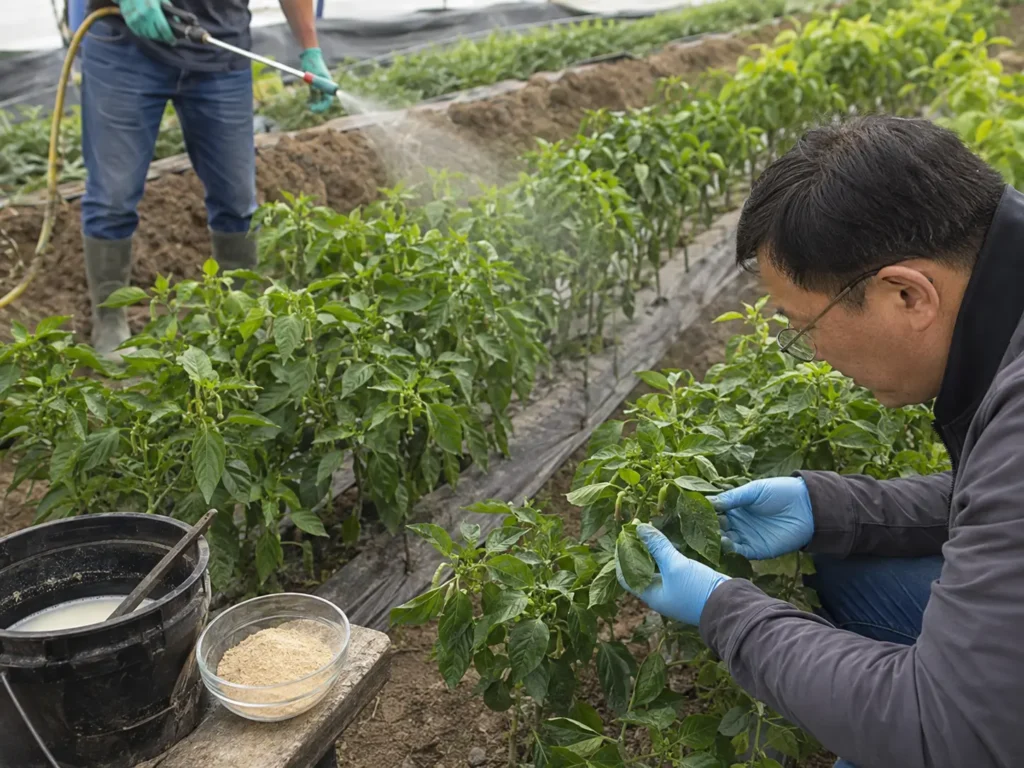
Advanced Chitosan-Based Solutions for Crop Protection, Disease Control & Sustainable Agriculture Crop protection is no longer just about applying pesticides. Modern agricultural systems are shifting toward biological defense activation, where plants are enabled to protect themselves against pathogens, stress, and environmental pressure. Traditional crop protection methods face major limitations: increasing pathogen resistance to chemicals regulatory restrictions on pesticides environmental and residue concerns reduced long-term soil and plant health Chitosan-based plant protection systems provide a different approach. Instead of killing pathogens directly like synthetic chemicals, chitosan works by: activating plant immune responses inhibiting microbial growth naturally strengthening plant defense structures If you are looking to: buy chitosan for crop protection formulations source a chitosan supplier for plant defense systems develop biopesticide or biostimulant products this is one of the most scalable and scientifically validated solutions available. What is Chitosan in Crop Protection Systems? Chitosan is a cationic biopolymer derived from chitin, widely used in agriculture as: a plant defense elicitor a natural antimicrobial agent a biostimulant for crop resilience It is recognized for its biodegradability, non-toxicity, and compatibility with sustainable farming systems. Unlike traditional pesticides, chitosan functions as a plant signaling molecule, triggering internal defense mechanisms instead of external chemical control. Scientific Mechanism of Plant Defense Activation 1. Induced Systemic Resistance (ISR Activation) Chitosan acts as an elicitor, triggering plant immune signaling pathways (pattern-triggered immunity). This leads to: activation of defense genes production of phytoalexins strengthening of plant cell walls Plants become more resistant to pathogens without relying on chemical pesticides. 2. Enzyme Activation and Defense Compounds Chitosan stimulates defense-related enzymes such as: chitinase peroxidase polyphenol oxidase These enzymes help plants fight fungal and bacterial infections and enhance overall resistance. 3. Antimicrobial Action Chitosan has broad-spectrum antimicrobial properties, helping: inhibit fungal pathogens reduce bacterial infections control post-harvest diseases 4. Antioxidant and Stress Response Activation Chitosan enhances antioxidant enzyme activity, improving plant tolerance to: drought salinity temperature stress This directly supports crop survival and yield stability. 5. Structural Defense Enhancement Chitosan increases lignin formation and strengthens plant tissues, creating a physical barrier against pathogen penetration. Why Chitosan Outperforms Traditional Crop Protection Methods System Limitation Chitosan Advantage Chemical pesticides resistance, toxicity natural and sustainable Fungicides single-target action multi-pathway defense Fertilizers no protection growth + defense Biostimulants limited immunity full immune activation Chitosan provides both protection and performance, not just disease control. Applications in Plant Defense Systems Foliar Spray Crop Protection activates plant immunity reduces pathogen infection improves leaf-level defense Seed Treatment & Coating protects seeds from soil-borne pathogens improves germination and early growth enhances seedling survival Soil and Root Protection reduces root infections improves soil microbial balance enhances root defense systems Post-Harvest Protection reduces fungal decay extends shelf life of fruits and vegetables improves storage stability Hydroponic & Greenhouse Systems supports disease control in controlled environments compatible with precision agriculture Integration with Advanced Agricultural Systems Chitosan is widely used in: biopesticide formulations plant defense stimulants integrated pest management (IPM) systems organic farming programs It is also combined with: beneficial microbes bioactive compounds advanced nutrient systems Chitosan Derivatives for Crop Protection Different derivatives enhance specific applications: Chitosan Oligosaccharide (COS) rapid absorption strong immune activation → chitosan oligosaccharide for plant growth enhancement Quaternary Chitosan enhanced antimicrobial properties used in advanced coatings and sprays Carboxymethyl Chitosan improved solubility used in soil and hydrogel systems Alginate Oligosaccharide (AOS) enhances plant metabolism and stress resistance → alginate oligosaccharide fertilizer for crop yield optimization Commercial Use Cases Chitosan for plant protection is used by: agrochemical manufacturers biostimulant brands fertilizer companies greenhouse operators agricultural distributors It is a core raw material for next-generation crop protection products. Formulation Compatibility Chitosan can be integrated into: foliar spray formulations liquid fertilizers biopesticide systems seed coatings drip irrigation systems Compatible with: NPK fertilizers micronutrients biological inputs Bulk Supply & Procurement We supply chitosan for agricultural plant protection systems at commercial scale. Supply Capabilities consistent batch quality COA (Certificate of Analysis) available scalable bulk production global shipping support formulation assistance For buyers searching: chitosan supplier for agriculture bulk chitosan price per kg biopesticide raw material supplier we provide customized supply solutions. Why Choose Our Chitosan for Crop Protection high bioactivity and performance strong antimicrobial and defense activation suitable for modern agricultural systems scalable and reliable supply designed for commercial formulations To build a complete system, integrate with: chitosan for agriculture and plant protection systems chitosan oligosaccharide for plant growth enhancement Frequently Asked Questions Can chitosan replace pesticides?It can significantly reduce dependency and act as a natural alternative. Is it safe for crops?Yes, it is biodegradable and non-toxic. Does it work against fungal diseases?Yes, it has strong antifungal activity and enhances plant immunity. Upgrade your crop protection systems with high-performance chitosan solutions.
Chitosan Edible Coating for Food Preservation – Shelf Life Extension Solution
Why Chitosan Edible Coating is Used in Food Preservation Chitosan edible coating is a natural and biodegradable solution widely used for food preservation and shelf life extension. It forms a thin protective layer on fruits, vegetables, and processed foods, reducing moisture loss, preventing microbial growth, and maintaining freshness during storage and transportation. As industries move toward safer and eco-friendly alternatives, chitosan-based edible coatings are becoming a preferred solution in agriculture and food processing. What is Chitosan Edible Coating? Chitosan edible coating is a thin, invisible layer applied to food surfaces to protect against spoilage and contamination. It is derived from food-grade chitosan, making it safe for direct contact with food. This water-soluble coating helps: Extend shelf life Reduce microbial contamination Maintain texture and freshness Prevent oxidation It is widely used in post-harvest treatment and food processing applications. Why Chitosan is Used in Edible Coating for Food Preservation Chitosan stands out among natural coatings due to its unique properties: Natural antimicrobial activity against bacteria and fungi Forms a breathable protective film Extends shelf life without synthetic chemicals Safe and approved for food applications Biodegradable and environmentally friendly This makes chitosan one of the most effective natural solutions for food preservation. How Chitosan Edible Coating Extends Shelf Life Chitosan coating works through multiple mechanisms: Moisture Control Reduces water loss and prevents dehydration. Oxygen Barrier Limits oxygen exposure, slowing oxidation and spoilage. Antimicrobial Protection Inhibits the growth of bacteria and fungi. Texture & Freshness Preservation Maintains the natural quality, color, and firmness of food. These combined effects significantly extend the shelf life of fresh produce and processed foods. Applications of Chitosan Edible Coating Fruits & Vegetables Used on apples, bananas, strawberries, and citrus fruits to extend freshness. Fresh Produce & Agriculture Applied in post-harvest treatment and storage protection. Processed Foods Used in bakery, packaged foods, and ready-to-eat products. Learn how chitosan improves food preservation naturally in modern food systems. Best Chitosan Types for Edible Coating For high-performance edible coating applications, the following types are recommended: Carboxymethyl chitosan (CMCS) → best water-soluble option Chitosan oligosaccharide → improved bioactivity Food-grade chitosan powder → standard coating applications These forms improve coating efficiency and performance. Benefits of Chitosan Edible Coating Natural and biodegradable Safe for food use Extends shelf life significantly Reduces food waste Eco-friendly alternative to synthetic preservatives Improves product stability and quality This makes chitosan highly valuable for sustainable food preservation. Chitosan Edible Coating vs Synthetic Preservatives Feature Chitosan Coating Synthetic Preservatives Source Natural Chemical Safety Food-safe Potential concerns Environmental Impact Low High Shelf Life Extension High Moderate Sustainability Excellent Limited Chitosan offers a safer and more sustainable solution. Related Topics You Should Explore Learn how chitosan improves food preservation naturally Discover shelf life extension solutions for fruits and vegetables Explore natural food coating materials for agriculture Understand biodegradable food preservation technologies Looking for Food-Grade Chitosan for Edible Coating Applications? We supply high-quality food-grade chitosan for edible coating and food preservation, including: Water-soluble coating grades Customized formulations Bulk supply for industrial applications Suitable for agriculture, food processing, and export industries. Contact us for bulk pricing and technical support. FAQs – Chitosan Edible Coating What is chitosan edible coating used for? Chitosan edible coating is used for food preservation, shelf life extension, and protection of fruits and vegetables. Is chitosan edible coating safe for food? Yes, food-grade chitosan is safe, biodegradable, and widely used in the food industry. Which chitosan is best for edible coating? Carboxymethyl chitosan is the best option due to its water-soluble properties. How long does chitosan coating extend shelf life? It can extend shelf life from several days to weeks depending on the product and storage conditions.
Chitosan for Heavy Metal Removal
Table of Contents 1. Introduction 2. What Is Chitosan for Heavy Metal Removal? 3. The Science: How Chitosan Removes Heavy Metals 4. Heavy Metals Removed by Chitosan 5. Chitosan vs. Conventional Heavy Metal Removal Methods 6. Industrial Applications of Chitosan for Heavy Metal Removal 7. Process Parameters and Optimization 8. Types of Chitosan for Heavy Metal Removal 9. Economic and Sustainability Considerations 10. Purchasing Considerations for Industrial Buyers 11. Frequently Asked Questions 12. Conclusion Chitosan for Heavy Metal Removal: A Complete Technical Guide for Industrial Applications Introduction Heavy metal contamination remains one of the hardest wastewater problems to solve in mining, electroplating, metal finishing, chemicals, textiles, electronics, and municipal water treatment. Unlike BOD or suspended solids, metals do not biodegrade. They accumulate in sludge, surface water, sediments, and biological tissues. They also create immediate compliance pressure when effluent limits for lead, chromium, nickel, arsenic, mercury, or cadmium move from the low mg/L range into the low ppb range. The scale of the problem is global. The UN World Water Development Report 2017 noted that more than 80% of wastewater is discharged without adequate treatment worldwide [1]. At the same time, drinking-water and discharge standards continue to tighten. WHO and U.S. EPA reference limits include arsenic at 0.01 mg/L, lead at 0.01-0.015 mg/L, mercury at 0.002 mg/L, and total chromium at 0.1 mg/L [9]. For industrial operators, that means the treatment program must deliver reliable metal capture even when influent chemistry shifts. Chitosan has become attractive because it addresses several plant-level pain points at once. It is a renewable biopolymer derived from chitin, it has low toxicity, it generates less sludge than many mineral-coagulant programs, and it can work both as a direct adsorbent and as part of a coagulation/flocculation train. That gives it value not only in dedicated chitosan heavy metal removal systems, but also in broader chitosan wastewater treatment programs where metals, colloids, dyes, and fine solids appear together. This guide explains what chitosan is, how chitosan adsorption and chitosan chelation work, which metals it removes best, how it compares with alum and ferric salts, what process conditions matter, and what industrial buyers should ask suppliers before moving into pilots or contracts. What Is Chitosan for Heavy Metal Removal? Chitosan is a natural biopolymer produced by deacetylating chitin, the structural polysaccharide found in crustacean shells, fungal cell walls, and emerging insect feedstocks such as black soldier fly. In commercial water treatment, shell-derived chitosan remains the most established, but mushroom and insect-based grades are increasingly relevant where supply diversification, allergen positioning, or feedstock sustainability matter. From an engineering standpoint, chitosan matters because its polymer chain carries reactive amino (-NH2) and hydroxyl (-OH) groups. Those groups provide binding sites for dissolved metal ions. The amine functionality is especially important. Chitosan’s amino groups have a pKa around 6.3-6.5, which means protonation state changes sharply across the mildly acidic to near-neutral range [7]. At lower pH, more amines exist as -NH +. As pH rises toward neutral, more unprotonated amines become available to coordinate metal ions directly. That is why chitosan for water purification sits in a useful operating window. It can interact electrostatically under acidic conditions, yet still behave like a metal-chelating polymer when the pH is adjusted into the zone where many wastewater systems already operate. In other words, it is not just a passive flocculant. It is a reactive biopolymer whose chemistry can be tuned for specific contaminants. Chitosan is uniquely suited for heavy metal removal because it offers four things at the same time: Functional binding groups that form strong interactions with target Formulation flexibility in powders, flakes, beads, gels, membranes, nanoparticles, and composites. Compatibility with conventional systems such as clarifiers, DAF, media filters, and polishing columns. Lower environmental burden than many inorganic chemicals used solely for precipitation or coagulation. The Science: How Chitosan Removes Heavy Metals Chelation Mechanism (Primary) The primary answer to the question how does chitosan remove heavy metals is chelation. The nitrogen atom in the amino group carries a lone pair of electrons. That lone pair can be donated to an empty orbital on a metal ion such as Pb2+, Cu2+, Cd2+, or Ni2+, forming a coordination bond. Engineers can think of this as an inner-sphere complex: the metal is not merely attracted to the surface, it is chemically associated with a defined functional site on the polymer. This is why modified chitosan often outperforms native material. By increasing accessible amine density, adding sulfur or carboxyl groups, or improving dispersion and pore accessibility, formulators increase the number and quality of coordination sites available for chitosan chelation. Ion Exchange Under acidic conditions, chitosan’s amino groups become protonated to -NH +. In that state, ion exchange contributes to metal uptake. Protons or other counter-ions associated with the polymer can be displaced as dissolved metal species approach the surface. The balance between ion exchange and chelation is strongly pH dependent. At very low pH, excessive protonation reduces direct complexation with cationic metals because hydrogen ions compete for the same sites. As pH rises, ion exchange becomes less dominant and coordination chemistry becomes more favorable [5][7]. Adsorption Chitosan adsorption also includes physical uptake phenomena. Surface area, pore structure, film diffusion, and intraparticle diffusion all affect how quickly metals reach reactive sites. In native chitosan flakes or powder, transport limitations can reduce usable capacity. In nanofibers, aerogels, and nanoparticles, mass transfer improves because the active groups are more exposed. It is useful to distinguish physisorption from chemisorption. Physisorption depends more on weaker electrostatic or van der Waals interactions. Chemisorption involves stronger, more selective bonding such as metal-amine coordination. Most high-performing chitosan systems for metals use both, but the strongest results usually come from chemisorption-dominant designs. pH Optimization For most dissolved heavy metals, the practical sweet spot is pH 4-8, with many systems showing best results around pH 6-7 [4][5]. That range gives a workable balance between site availability and metal solubility. Rahman reported high mixed-metal removal around neutral pH for Cu, Zn, Cd, and Pb using modified shrimp-based
Chitosan in Pet Nutrition: Counterion Chemistry, Regulatory Status, and Commercial Applications
SECTION 1: COUNTERION CHEMISTRY — THE SCIENCE BEHIND 60MV VS 70MV 1.1 What is a Counterion? In chitosan chemistry, a counterion is the anionic (negatively charged) molecule that pairs with the protonated amine groups (NH3+) on the chitosan polymer backbone. Native chitosan is a weak base with a pKa of approximately 6.5. To make it water-soluble at neutral pH, it must be converted into a salt form. This process, known as protonation, involves reacting the free amine groups (-NH2) with an acid. The acid donates a proton (H+) to the nitrogen atom, creating a positive charge, while the acid’s anion becomes the counterion. The choice of counterion fundamentally dictates the molecule’s physical properties, including its zeta potential (surface charge), solubility, taste, and hygroscopicity. 1.2 Lactate vs. Hydrochloride: The Chemical Difference The specific acid used creates distinct salt forms: Chitosan Lactate (using lactic acid) versus Chitosan Hydrochloride (using hydrochloric acid). The table below details their physicochemical differences. Parameter Chitosan Lactate (+60mV) Chitosan HCl (+70mV) Counterion Structure Lactate (C3H5O3-) Large organic anion Chloride (Cl-) Small inorganic anion Acid Strength (pKa) Weak Acid (pKa 3.86) Strong Acid (pKa -7.0) Zeta Potential +55 to +65 mV +65 to +75 mV Parameter Chitosan Lactate (+60mV) Chitosan HCl (+70mV) Water Solubility Excellent (Cold & Hot) Excellent (Fast in Cold) pH (1% Solution) 4.5 – 5.5 (Mildly Acidic) 4.0 – 5.0 (More Acidic) Taste Profile Mild, slightly sour (Palatable) Sharp, acidic, salty/bitter Osmotic Effect Lower Higher Hygroscopicity High (Absorbs moisture) Moderate Stability Good (2-3 years) Excellent (3-5 years) 1.3 Why 70mV is Higher Than 60mV The difference in zeta potential—surface charge density—stems from basic physical chemistry principles: Acid Strength & Protonation: Hydrochloric acid is a strong acid that dissociates completely, driving nearly 100% protonation of the amine groups. Lactic acid is a weak organic acid that exists in equilibrium, resulting in slightly lower protonation density. Steric Hindrance: The chloride ion (Cl–) is physically very small (ionic radius ~181 pm). The lactate ion is a larger organic molecule. The bulky lactate counterions create steric hindrance around the polymer chain, effectively “shielding” some of the positive charge and reducing the measured zeta Ion Pairing Tightness: The small, hard chloride ion forms tighter ion pairs with the ammonium groups, stabilizing the high charge density more effectively than the diffuse lactate ion. 1.4 When is Higher Charge Better? YES – Higher is Better (+70mV) When: Acute Pathogen Challenge: The primary mechanism of bacterial killing is electrostatic disruption. A higher charge density (+70mV) exerts a stronger “pull” on negatively charged bacterial cell membranes (E. coli, Salmonella), causing rapid lysis. Biofilm Disruption: High charge is required to penetrate and disperse the protective extracellular matrix of established biofilms. Intracellular Penetration: For low molecular weight oligosaccharides, higher cationic charge facilitates transport across cell membranes. NO – Higher Not Always Better (Diminishing Returns) When: Palatability is Critical: The HCl form is significantly more bitter/acidic. For voluntary consumption (treats/chews), the milder Lactate form is superior. Sensitive Tissue Application: Extremely high charge densities (>+80mV) can be irritating to mucous membranes or cause protein precipitation. Beneficial Flora Sparing: An excessively aggressive charge can indiscriminately kill beneficial gut bacteria. A moderate charge (+40-60mV) is often more selective, sparing Lactobacillus species. 1.5 The Optimal Formula: What Does Science Say? Based on a review of literature from 2011-2025, the consensus for an optimal bioactive chitosan oligosaccharide (COS) is: Molecular Weight: 2–3 kDa (approx. 10-15 monomer units) is the “sweet spot” for maximum biological activity and absorption. Deacetylation (DDA): >95% DDA ensures maximum availability of free amine groups for Zeta Potential: +60mV to +70mV provides strong antimicrobial action without excessive tissue pH Balance: Formulations buffered to pH 4.5–5.5 maintain solubility while protecting dental enamel and palatability. SECTION 2: CHITOSAN IN DOG TREATS — APPLICATIONS & OPTIMAL FORMULATIONS 2.1 Why Use Chitosan in Dog Treats? Dental Health: Reduces plaque and tartar accumulation via antimicrobial action against Porphyromonas species. Phosphate Binding: Crucial for older dogs to support kidney function by binding dietary Prebiotic Effect: Supports gut health by feeding specific beneficial bacteria Weight Management: Binds dietary fats (up to 8x its weight) to reduce calorie Preservation: Acts as a natural antimicrobial preservative, extending the shelf 2.2 Optimal Chitosan Form for Treats Application Recommended Form Zeta Potential Reasoning Dental Chews COS-Lactate +60mV Good solubility in saliva, pleasant taste, effective against oral biofilms. Kidney Support COS-HCl +70mV Maximum anion binding capacity for phosphorus reduction. Gut Health Plain COS +40mV Gentler action; better for “selective” prebiotic effect sparing Lactobacillus. Application Recommended Form Zeta Potential Reasoning Training Treats COS-Lactate +60mV High palatability is essential for frequent feeding; non-acidic taste. Jerky/Dry Treats Plain COS +40mV Lowest cost; stability in dry matrix; heat stable during drying. 2.3 Dosing Guidelines for Dogs Note: Based on typical inclusion rates in clinical studies. Always consult a veterinary nutritionist. Dog Size Weight Range Daily Dosage (Maintenance) Therapeutic Dosage Small < 10 kg (22 lbs) 50 – 100 mg 200 mg Medium 10 – 25 kg (22-55 lbs) 100 – 200 mg 400 mg Large > 25 kg (55+ lbs) 200 – 400 mg 800 mg Safety Profile: Toxicology studies have demonstrated safety at doses up to 1,000 mg/kg body weight/day, providing a wide safety margin. SECTION 3: CAN CHITOSAN BE CALLED A “PREBIOTIC FIBER”? 3.1 Regulatory Definitions FDA (USA): The FDA defines “dietary fiber” (21 CFR 101.9(c)(6)(i)) as non-digestible soluble and insoluble carbohydrates (with ≥3 monomeric units) that are intrinsic and intact in plants, or isolated/synthetic non-digestible carbohydrates determined to have physiological effects beneficial to human health. Status: Chitosan qualifies as a dietary However, “Prebiotic” is a scientific term, not a separate FDA regulatory category. EFSA (EU): European regulations are stricter. A “prebiotic” claim requires specific authorization based on evidence of selective fermentation and health benefit. ✗ Status: As of 2025, no specific “prebiotic” health claim for chitosan has been authorized by the EU Commission, though it is authorized as a feed material. 3.2 Scientific Evidence for Prebiotic Effect Scientific consensus classifies chitosan as a “functional
Chitosan in Agriculture
Chitosan Oligosaccharide-Hydrochloride – The Premier Agricultural Biostimulant A Science-Based Comparative Assessment Publication Date: March 2026 | Authors: Chitosan Global Research Team | White Paper ID: CG-WP-2026-03 Executive Summary The global agricultural sector faces an unprecedented convergence of challenges: a growing population demanding higher yields, stringent regulatory mandates to reduce synthetic chemical inputs (such as the EU Farm-to-Fork Strategy), and the accelerating impacts of climate change. In this critical context, Chitosan Oligosaccharide-Hydrochloride (COS-HCl) emerges as a pivotal biostimulant technology. This white paper presents a comparative assessment positioning Mushroom-Derived (from Lenzites, Agaricus, Pleurotus) and Black Soldier Fly (BSF) Insect-Derived (from Hermetia illucens) chitosan as the dual premier solutions for modern sustainable agriculture. Our analysis demonstrates that both sources, when processed via a proprietary green enzymatic process, achieve identical, superior molecular specifications: a Degree of Deacetylation (DDA) >98%, a precision Molecular Weight (MW) of 2–3 kDa, and a potent Zeta Potential of +70 mV. These specific parameters are critical for activating Pattern-Triggered Immunity (PTI) via the CERK1 receptor and for direct electrostatic disruption of pathogen membranes. Unlike conventional crustacean-derived chitosan—plagued by allergen risks, heavy metal contamination, and variable molecular weights—or expensive “nano-chitosan” formulations, Chitosan Global’s mushroom and insect-derived products offer a naturally superior, consistent, and sustainable alternative. By valorizing agricultural and insect protein waste streams into high-value biopolymers, these solutions not only enhance crop resilience and yield but also close the loop in the circular bioeconomy. Abstract Sustainable agriculture requires innovations that simultaneously enhance productivity and reduce environmental impact. This white paper introduces Chitosan Oligosaccharide-Hydrochloride (COS-HCl) derived from two sustainable, non-marine sources: edible mushrooms and the Black Soldier Fly (BSF). We establish that the bioactivity of chitosan is strictly governed by three structural determinants: Degree of Deacetylation (DDA), Molecular Weight (MW), and Zeta Potential. Through the application of a proprietary green enzymatic process, both mushroom and BSF sources yield a COS-HCl product with a DDA >98%, a native MW of 2–3 kDa, and a surface charge of +70 mV. Comparative analysis reveals that these specifications significantly outperform traditional crustacean-derived chitosan (typically 75–85% DDA, 100–400 kDa) and engineered nano-chitosan in both antimicrobial efficacy and plant immunity elicitation. The dual mechanism of action—direct electrostatic lysis of pathogenic cell membranes and systemic activation of plant defense pathways (MAPK cascade, ROS burst)—provides broad-spectrum protection against fungi, bacteria, and viruses. Furthermore, the absence of shellfish allergens and heavy metals renders these products safer for workers and consumers. This paper synthesizes data from 2024–2026 peer-reviewed literature to validate Mushroom and Insect-Derived COS-HCl as the new gold standard in agricultural biostimulants. 1. Introduction Agriculture stands at a crossroads. The dual imperatives of feeding a population projected to reach 10 billion by 2050 while restoring degraded ecosystems require a fundamental shift in crop protection and nutrition strategies. Conventional agrochemicals, while historically effective, are increasingly restricted due to pathogen resistance, soil toxicity, and consumer health concerns. Initiatives such as the European Union’s Green Deal and Farm-to-Fork Strategy aim to reduce pesticide use by 50% by 2030, creating an urgent market vacuum that effective biostimulants must fill. Consequently, the global biostimulant market is projected to grow at a CAGR of 12.3% from 2024 to 2030. Among biostimulants, chitosan—a deacetylated derivative of chitin—has long been recognized for its potential. However, its adoption has been hindered by inconsistency. Traditional commercial chitosan, derived largely from shrimp and crab shell waste, suffers from high molecular weight variability, low solubility at neutral pH, and contamination risks. Furthermore, “nano-chitosan” products, engineered to overcome these limitations, often carry prohibitive costs and regulatory hurdles associated with nanomaterials. This white paper posits a paradigm shift: the sourcing of Chitosan Oligosaccharide-Hydrochloride (COS-HCl) from fungal mycelium (Mushroom) and insect cuticles (Black Soldier Fly). Unlike marine sources, these terrestrial origins allow for controlled, clean production environments. When combined with advanced enzymatic processing, they yield a polymer that naturally occupies the “Goldilocks zone” of bioactivity: small enough to penetrate plant tissues (2–3 kDa), highly charged to disrupt pathogens (>98% DDA, +70 mV), and completely soluble. We present the scientific evidence validating these two sources as the premier choice for the next generation of sustainable agriculture. Structural Determinants of Bioactivity The efficacy of chitosan is not generic; it is strictly defined by its physicochemical architecture. Three parameters dictate its performance in the field: Degree of Deacetylation (DDA), Molecular Weight (MW), and Surface Charge (Zeta Potential). Degree of Deacetylation (DDA) The Degree of Deacetylation refers to the percentage of acetyl groups removed from the chitin backbone to expose free amino groups (-NH₂), which protonate to form -NH₃⁺ in acidic environments. This positive charge is the engine of chitosan’s bioactivity. Research by Park et al. (2011) and recent studies (2024) established a linear relationship between DDA and biological activity. Chitosan with 100% DDA demonstrated nearly double the antimicrobial and elicitor activity of chitosan with 85% DDA. Most commercial crustacean chitosans stall at 75–85% DDA due to the limitations of chemical hydrolysis. In contrast, ChitosanGlobal’s mushroom and BSF-derived COS-HCl consistently achieves >98% DDA. This maximizes charge density, ensuring the strongest possible electrostatic interaction with negatively charged pathogen membranes and plant receptors. Molecular Weight (MW) Size matters. High Molecular Weight (HMW) chitosan (>100 kDa) cannot effectively penetrate the plant cuticle or cell wall, limiting its action to the surface. Conversely, extremely small oligomers (<1 kDa) may lack the structural complexity to trigger receptors. The optimal window for bioactivity lies between 1 and 5 kDa. In this range, chitosan oligomers are recognized by the Chitin Elicitor Receptor Kinase 1 (CERK1) on plant cell membranes, triggering the immune response. Furthermore, low-MW chitosan (2–10 kDa) has demonstrated superior antimicrobial kinetics compared to HMW counterparts (Liu et al., 2004; PMC10073797). Chitosan Global products are manufactured to a precise 2–3 kDa specification, ensuring maximum cellular uptake and receptor activation without the need for additional degradation in the field. Surface Charge (Zeta Potential) Zeta potential is a measure of the effective electric charge on the chitosan particle surface. It is the critical predictor of colloidal stability and antimicrobial lethality. Figure 1: Mechanism of Action –
Chitosan’s New Role in Food Preservation – How it Works
Product Introduction Chitonova-60The Future of Natural Food Preservation A next-generation, food-grade biopolymer designed to replace synthetic preservatives—without compromising safety, performance, or shelf life. Why Chitonova-60? +60 mV surface charge for strong antimicrobial action Targets spoilage-causing pathogens naturally Replaces benzoates and sorbates Food-grade, biocompatible, and biodegradable Works at an ultra-low dosage of just 0.3% Sustainable sourcing:Derived from Black Soldier Fly (BSF) and fungal (Lentinus) sources Scientifically supported. Clean-label ready. Chitosan 101 & The Preservation Challenge As the food industry moves away from synthetic additives, the demand for effective natural preservation has never been higher. The global challenge 1.3 billion tonnes of food are wasted every year Spoilage is one of the biggest contributors What is Chitosan? Chitosan is a naturally occurring cationic biopolymer derived from chitin (found in insects, fungi, and crustaceans).It is the second most abundant natural polysaccharide after cellulose. Key preservation pain points Mold and bacterial spoilage Growing consumer distrust of synthetic preservatives Increasing demand for clean-label ingredients The solution A natural, biodegradable antimicrobial that extends shelf life—without labeling or safety concerns. What Makes Chitonova-60 Unique Chitonova-60 is engineered with a breakthrough surface charge and optimized for ultra-low-dose performance. Key advantages +60 mV Surface ChargeCreates a powerful electrostatic shield that disrupts pathogen membranes on contact. Dual Bio-SourcingSustainably extracted from Black Soldier Fly larvae and Lentinus mushrooms, ensuring supply-chain resilience. Food-Grade & SafeFully biocompatible, biodegradable, and compliant with food safety standards. Ultra-Low 0.3% DosageDelivers effective preservation for bread, tortillas, and processed foods—without affecting texture or taste. Electrostatic Antimicrobial Power How Chitonova-60 Works Electrostatic BindingPositively charged amino groups (+60 mV) bind to negatively charged pathogen membranes. Membrane DisruptionThis interaction alters membrane permeability, causing leakage of essential intracellular components—leading to rapid cell death. Metal ChelationBinds essential metal ions (Ca²⁺, Mg²⁺), depriving microbes of nutrients required for growth and replication. Barrier FormationForms a breathable polymeric film on food surfaces that limits oxygen transfer and moisture loss, slowing aerobic spoilage. A multi-mechanism defense—without synthetic chemicals. Dual Functionality – One Ingredient, Two Markets Chitonova-60 delivers dual value across industries Antimicrobial Action (Food Preservation) Broad-spectrum inhibition of Gram-positive & Gram-negative bacteria Disrupts molds and yeasts Reduces oxidation and moisture loss Extends shelf life naturally Adsorption Matrix (Health & Wellness) Traps microplastics Binds dietary fats Interacts with bile acids to support cholesterol management One biopolymer. Two high-value applications. Chitonova-60 vs. Synthetic Preservatives Chitonova-60 vs. Traditional Synthetic Preservatives Not all preservatives are created equal. Chitonova-60 Mechanism: Cationic disruption (+60 mV surface charge) Spectrum: Bacteria, Yeast, Mold Dosage: 0.3% optimized Cost impact: ~$0.32 per kg of finished product Label: Clean label, GRAS, no off-taste Calcium Propionate Targets mainly molds and rope spoilage Dosage: 0.2–0.3% Synthetic additive Bitter taste at higher levels Potassium Sorbate Effective mainly against yeasts and molds pH-dependent performance Synthetic additive Sodium Benzoate Limited to acidic foods Metallic taste concerns Benzene formation risk Chitonova-60 delivers broad-spectrum protection, clean labeling, and superior sensory performance—at a competitive cost. Cost-Benefit Analysis Cost-Benefit Analysis of Chitonova-60 Direct ingredient cost $0.315 per kg of finished product(Based on $105/kg ingredient price at 0.3% usage) Real-world product impact Bread loaf (700 g): $0.221 per loaf Tortilla pack (500 g): $0.158 per pack ROI drivers Waste reduction (5–15%)Shelf-life extension recovers ingredient cost through reduced returns and spoilage. Premium pricing opportunityClean-label positioning supports $0.20–$0.50 price premiums. Formulation simplificationReplaces multiple additives (preservatives + conditioners), reducing supply-chain complexity. Result:Positive ROI—often immediately. Applications – Bread, Tortillas & Baked Goods Applications: Bread, Tortillas & Baked Goods Designed for high-moisture bakery products prone to rapid spoilage. Recommended dosage 0.3% w/w (by total product weight) Formulation guide 3 g per 1 kg dough 2.1 g per standard 700 g loaf 1.5 g per 500 g tortilla pack Targeted spoilage organisms Common molds: Aspergillus, Penicillium Rope spoilage: Bacillus subtilis Application methods Dry blend: Directly mixed into flour before hydration Aqueous dispersion: Surface spray or coating—ideal for tortillas and flatbreads Also suitable for: RTE snacks Dried fruits Nuts and snack bars Health Benefits vs. Synthetic Preservatives Health Benefits vs. Synthetic Preservatives Chitonova-60 represents a shift from chemical additives to functional wellness ingredients. Chitonova-60 Advantages Clean-label & naturalRecognized as GRAS, supporting preservative-free and premium claims. Functional wellnessOffers lipid-binding and digestive benefits while remaining biodegradable. Superior sensory profileNo bitter, metallic, or chemical aftertaste. Synthetic Preservative Concerns 76% of consumers actively avoid artificial preservatives Increasing regulatory scrutiny on ADI limits Zero nutritional or functional health value Clean label is no longer a trend—it’s the new standard. Evidence & Efficacy Evidence & Scientific Validation Chitonova-60 is backed by peer-reviewed science. Antimicrobial potency Activity directly linked to cationic charge density and degree of deacetylation (DDA) Primary mechanisms Membrane disruption Metal ion chelation Validated as the dominant modes of microbial inhibition. Shelf-life extension Proven efficacy in food systems and active packaging Significantly reduces spoilage rates Biocompatibility & safety Favorable toxicity profile Fully biodegradable GRAS-compliant for food applications Microplastic binding & excretion Reduced microplastic retention: –40% Increased excretion rate: +115% Supported by recent scientific literature (2025). Path Forward with Chitonova-60 Path Forward with Chitonova-60 A clear, science-backed roadmap from validation to commercialization. Key Takeaways Potent & Clean LabelDual-function solution combining strong antimicrobial performance with microplastic adsorption—without synthetic preservatives. Scientifically ValidatedMechanism of action (+60 mV charge disruption) is strongly supported by peer-reviewed research and efficacy studies. Defined ApplicationClear implementation pathway for bakery and RTE foods at 0.3% w/w dosage for optimal preservation. Superior ROI ModelAt just 0.3%, cost per unit drops significantly (~$0.22 per loaf) while enabling premium “natural” positioning. Next Steps Phase 1: Request SamplesReceive a 100 g Chitonova-60 kit for formulation testing. Phase 2: Pilot TrialsConduct 0.3% w/w trials in bread and tortillas with technical support. Phase 3: Shelf-Life StudyRun comparative shelf-life testing vs. current preservative systems. Market Opportunity & Applications Market Opportunity & Applications The clean-label movement is accelerating—and Chitonova-60 is positioned at the center of it. The Clean-Label Surge 7.2% CAGR for natural preservatives 78% of consumers actively check ingredient labels Rising rejection of benzoates and synthetic additives is driving reformulation across food sectors. Target Application Categories Bakery – Mold and rope spoilage control Tortillas – Prevents
Scientific Analysis: Adsorption Mechanisms of Chitonova-60 FG
EXECUTIVE SUMMARY This technical report details the physicochemical mechanisms by which Chitosan Global’s new product, Chitonova-60 FG (Food Grade), effectively adsorbs microplastics, glyphosate, and other negatively charged contaminants in the human gastrointestinal tract. The product’s efficacy is driven by its exceptionally high positive surface charge (Zeta Potential > +60mV) upon protonation in the gastric environment. When consumed at a dosage of 1200 mg, 15 minutes prior to a meal, Chitonova-60 FG functions as a high-density polycationic adsorbent, facilitating the rapid aggregation and subsequent excretion of anionic pollutants through electrostatic attraction, chelation, and hydrogen bonding. INTRODUCTION TO CHITOSAN AND CHITONOVA-60 FG Product Identity: Chitonova-60 FG CAS Number: 9012-76-4 Chemical Nature: Linear polysaccharide composed of β-(1→4)-linked D-glucosamine (deacetylated unit) and N-acetyl-D-glucosamine (acetylated unit). Chitonova-60 FG is a specialized native chitosan derivative engineered to maintain high molecular integrity and surface charge density. Unlike standard commercial chitosan, which typically exhibits a zeta potential of +30 to +40 mV, Chitonova-60 FG is characterized by a high degree of deacetylation (DDA) and specific molecular weight distribution that yields a zeta potential of approximately +60 mV in acidic media. This high charge density is the critical determinant of its superior adsorption capacity. THE SCIENCE OF POSITIVE SURFACE CHARGE (60MV ZETA POTENTIAL) The adsorption capability of Chitonova-60 FG is fundamentally rooted in its amine chemistry. In the low pH environment of the stomach (pH 1.5–3.5), the primary amine groups (-NH2) on the glucosamine units undergo protonation: Protonation Reaction: R-NH2 + H3O+ → R-NH3+ + H2O This reaction transforms the biopolymer into a polycationic electrolyte. The resultant +60mV zeta potential indicates a highly stable suspension with strong repulsive forces between polymer chains (preventing immediate precipitation) and potent attractive forces toward oppositely charged particles. This electrostatic potential is significantly higher than the threshold required for effective coagulation of suspended solids, making it a powerful bio-flocculant within the digestive tract. MECHANISM 1: MICROPLASTIC ADSORPTION Microplastics (MPs), particularly secondary MPs derived from the degradation of macroplastics, predominantly carry a negative surface charge due to surface oxidation and the adsorption of organic matter. Common polymers like polystyrene (PS) and polyethylene terephthalate (PET) exhibit negative zeta potentials ranging from -15 to -50 mV. Mode of Action: Electrostatic Bridging Charge Neutralization: The strongly positive ammonium groups (-NH3+) of Chitonova-60 FG are electrostatically attracted to the anionic surface of microplastics. Bridging Flocculation: The long polymer chains of Chitonova-60 FG adsorb onto multiple microplastic particles simultaneously, forming large aggregates (flocs) that are too large to be absorbed by the intestinal villi. Recent studies (2025) indicate that chitosan ingestion can increase the fecal excretion rate of polyethylene microplastics to over 115% compared to controls (indicating removal of both ingested and pre-existing MPs) and reduce intestinal retention by approximately 50%. MECHANISM 2: GLYPHOSATE BINDING Glyphosate [N-(phosphonomethyl)glycine] is an amphoteric herbicide that acts as a negatively charged species in many physiological conditions due to its phosphonate and carboxylate groups. Binding Interactions Electrostatic Attraction: At gastric pH, while glyphosate is partially protonated, its anionic phosphonate moiety interacts strongly with the cationic amine sites of Chitonova-60 FG. Chelation: Chitosan acts as a chelating The nitrogen on the amine group and oxygen on hydroxyl groups form coordinate bonds with the glyphosate molecule. Hydrogen Bonding: Extensive hydrogen bond networks form between the hydroxyl (-OH) groups of the chitosan backbone and the oxygen atoms in glyphosate. Research indicates that chitosan-based adsorbents can achieve removal efficiencies of 80–93% for glyphosate in aqueous environments, driven by these synergistic binding mechanisms. MECHANISM 3: GENERAL NEGATIVELY CHARGED COMPOUND ADSORPTION The +60mV charge of Chitonova-60 FG provides broad-spectrum adsorption capabilities for various anionic contaminants found in the modern diet. Bile Acids: Chitosan binds bile acids (which are anionic surfactants) in the stomach to form insoluble polyelectrolyte complexes. This prevents the reabsorption of bile acids in the ileum (enterohepatic circulation), forcing the liver to use systemic cholesterol to synthesize new bile, thereby lowering serum cholesterol. Heavy Metals: Anionic metal complexes and free cations (Pb2+, Cd2+, Hg2+) are sequestered via chelation mechanisms involving the amine lone pair electrons. Anionic Dyes and Metabolites: Food colorants and negatively charged metabolic waste products are effectively adsorbed via electrostatic attraction. WHY 15 MINUTES BEFORE MEALS IS OPTIMAL The timing of administration is critical to the physicochemical activation of the product. Solubilization & Protonation Phase (0-10 mins): Upon entering the acidic gastric lumen, the 1200 mg dose of Chitonova-60 FG requires time to hydrate, dissolve, and undergo full amine protonation to achieve the active -NH3+ Dispersion & Matrix Formation (10-15 mins): The dissolved chitosan disperses throughout the gastric fluid, forming a viscous “molecular net” or weak gel matrix. By consuming the product 15 minutes before eating, the chitosan is fully activated and spatially distributed to intercept the food bolus. This ensures that microplastics and contaminants released from the food matrix during digestion are immediately captured by the pre-established cationic network. GASTROINTESTINAL JOURNEY: PH-DEPENDENT BEHAVIOR 1. Stomach (pH 1.5 – 3.5) State: Soluble Polycation. Activity: Maximum charge density (+60mV). Rapid electrostatic binding occurs here. The chitosan remains in solution, coating food particles and binding free contaminants. 2. Small Intestine (pH 6.0 – 7.4) State: Gel/Precipitate Transition. Activity: As pH rises above chitosan’s pKa (~6.3-6.5), deprotonation begins. The polymer transitions from a soluble state to insoluble gel aggregates. Importantly, the contaminants bound in the stomach are trapped within this precipitating gel matrix. The transition locks the pollutants inside the flocculated chitosan structure, preventing desorption. 3. Colon (pH 5.5 – 7.0) State: Solid Aggregate. Activity: The chitosan-contaminant complex remains intact as an indigestible fiber mass. It increases fecal bulk and is excreted, carrying the adsorbed microplastics and toxins out of the body. WHY THIS WORKS SO WELL: SYNERGISTIC FACTORS The superior performance of Chitonova-60 FG is attributed to the synergy of three factors: High Zeta Potential (+60mV): Provides a stronger attractive force than standard chitosan products, extending the effective range of electrostatic capture. High Surface Area: The specific manufacturing process of the “FG” grade ensures a porous molecular structure upon hydration, offering more
How Are U.S. Tariffs changing the North American Melanin Market?
The imposition of U.S. tariffs has significantly altered the landscape of the North American Melanin Market, primarily by influencing supply chain dynamics and cost structures. Tariffs on specific imported chemicals or raw materials crucial for melanin production or its derivative applications can lead to increased manufacturing costs for domestic producers. This translates into higher prices for end-products, potentially impacting consumer demand and overall market competitiveness, especially when facing competition from regions unaffected by similar trade barriers. Furthermore, tariffs can stimulate a strategic pivot towards domestic sourcing and production of melanin or its precursors within North American. This shift aims to mitigate the financial burden and supply uncertainties associated with international trade regulations. While fostering local industries and job creation, this reorientation may also lead to initial supply chain adjustments, requiring investments in new manufacturing capabilities and research to ensure the quality and scale needed to meet market demands effectively. The long-term impact involves a potentially more localized and resilient market, albeit one that may have absorbed initial cost increases and reconfigured its operational strategies. latest Research report of North American Melanin Market Size and CAGR: The North American Melanin Market was valued at approximately USD 1.2 billion in 2024 and is projected to reach around USD 2.0 billion by 2032. This growth reflects a robust Compound Annual Growth Rate (CAGR) of 7.5% from 2025 to 2032. Comprehensive Insights into the North American Melanin Market: The North American Melanin Market is characterized by a dynamic interplay of innovation, expanding applications, and increasing consumer awareness regarding natural and functional ingredients. Melanin, a versatile pigment, finds extensive use across several industries, including cosmetics, pharmaceuticals, and increasingly in advanced materials and bioelectronics due to its unique photoprotective, antioxidant, and conductive properties. The market’s growth is propelled by robust research and development activities focused on improving extraction methods, synthesizing melanin sustainably, and exploring novel applications. Moreover, rising demand for clean label products, natural skincare solutions, and effective UV protection in cosmetics is a significant driver. In the pharmaceutical sector, melanin’s antioxidant properties are being investigated for therapeutic applications, further expanding its market footprint. Despite its potential, the market also faces challenges related to the high cost of production, scalability issues for certain applications, and the need for standardized quality across diverse product offerings, necessitating continuous innovation and strategic investments. Increasing demand for natural and sustainable ingredients across various industries. Expanding applications in cosmetics for UV protection and anti-aging formulations. Growing interest in melanin’s antioxidant and photoprotective properties for pharmaceutical and nutraceutical uses. Advancements in synthetic and biotechnological production methods to improve purity and scalability. Emergence of novel applications in bioelectronics and advanced materials science. Get PDF Sample Report (All Data, In One Place) https://marketresearchcommunity.com/sample-request/?rid=5316 How is the outlook for Melanin evolving amid current market conditions? The outlook for melanin is evolving positively amidst current market conditions, driven by a convergence of factors. Heightened consumer demand for natural and sustainable ingredients, coupled with ongoing scientific exploration into melanin’s versatile properties, is broadening its application scope. Market research reports play a crucial role in navigating this evolution by providing stakeholders with critical insights into emerging trends, competitive landscapes, and untapped opportunities. These reports offer a forward-looking perspective, enabling businesses to adapt strategies, optimize investments, and capitalize on the growing potential of melanin in diverse industries, from cosmetics to advanced medical applications. What recent developments are influencing the North American Melanin Market today? Recent developments influencing the North American Melanin Market are characterized by a surge in biotechnological advancements and a heightened focus on sustainability. Innovations in microbial fermentation and cell culture techniques are making synthetic melanin production more efficient and cost-effective, reducing reliance on traditional, often less sustainable, animal-derived sources. This shift aligns with consumer preferences for ethical and environmentally friendly products, while simultaneously ensuring a more consistent supply of high-purity melanin for various industrial applications. Advancements in bio-based melanin synthesis for improved sustainability. Introduction of new melanin-infused cosmetic and skincare products. Increased investment in research exploring melanin’s medical applications, particularly in photoprotection and antioxidant therapies. Development of novel delivery systems for melanin in topical and oral formulations. Strategic partnerships and collaborations aimed at scaling up production and market reach. Get Discount on Melanin report @ https://marketresearchcommunity.com/request-discount/?rid=5316 North American Melanin Market Segmentation Analysis: By Product Type: Synthetic Melanin Natural Melanin By Source: Microbial Fungal Animal-derived Plant-derived By Application: Cosmetics and Personal Care Pharmaceuticals Nutraceuticals Coatings and Pigments Electronics Textiles By End-Use Industry: Healthcare Personal Care & Beauty Electronics & IT Others (e.g., Agriculture, Research) How are emerging innovations influencing trends in the North American Melanin Market? Emerging innovations are profoundly influencing trends in the North American Melanin Market, primarily by enhancing production efficiency, expanding application diversity, and improving product performance. Advances in synthetic biology and genetic engineering are enabling more precise and scalable production of various melanin types with specific properties, addressing challenges related to purity and consistency. These technological leaps are not only reducing costs but also opening doors for melanin’s integration into high-value applications beyond its traditional uses, thereby reshaping market dynamics and creating new revenue streams for manufacturers. Development of novel melanin-based nanomaterials with enhanced functionality. Integration of melanin into smart textiles for UV protection and temperature regulation. Exploration of melanin’s potential in biodegradable electronics and solar cells. Personalized melanin formulations tailored for specific skin types or medical conditions. Automation and AI in melanin extraction and purification processes for higher yield. What is the future outlook for the North American Melanin Market between 2025 and 2032? The future outlook for the North American Melanin Market between 2025 and 2032 is exceptionally promising, marked by sustained growth driven by expanding applications and continuous innovation. Projections indicate a significant increase in market valuation, fueled by the rising adoption of melanin in advanced cosmetic formulations, pharmaceutical therapies, and emerging high-tech sectors like bioelectronics. This period is expected to witness further breakthroughs in production technologies, ensuring a steady supply of high-quality melanin, while increasing consumer awareness of its natural benefits will cement its position as a key ingredient across diverse