
Chitosan for Nasal Drug Delivery | Pharmaceutical-Grade Mucoadhesive Polymer for Intranasal, Nose-to-Brain & CNS Drug Delivery Systems
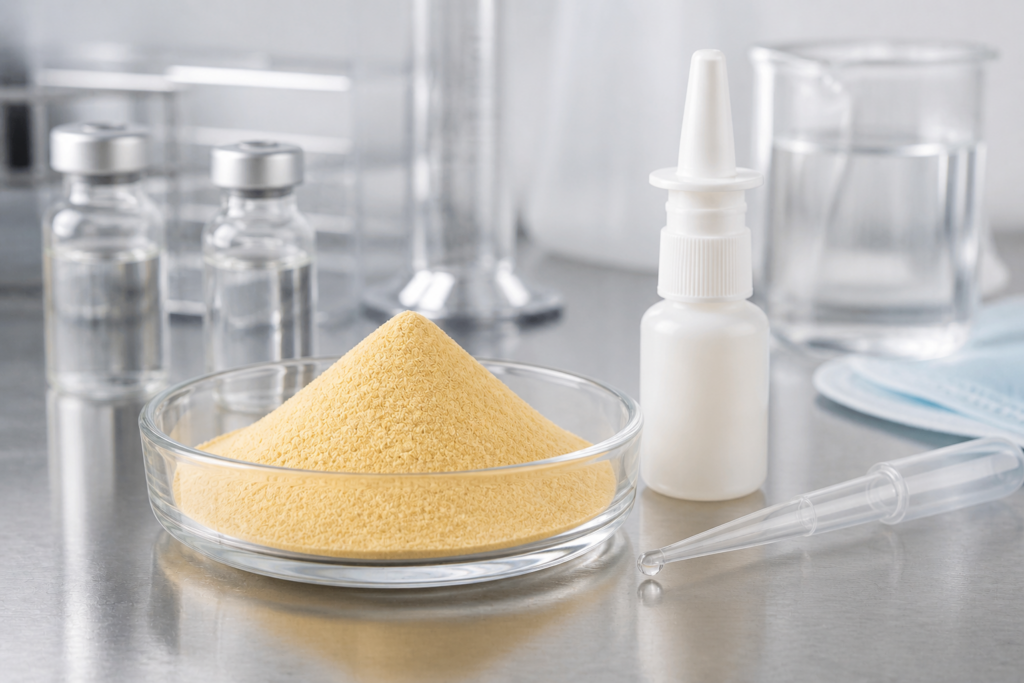
Nasal Drug Delivery Is Transforming Modern Pharmaceutical Development Pharmaceutical companies are rapidly expanding research into intranasal drug delivery systems because the nasal route offers advantages that traditional oral and injectable systems often cannot achieve. Modern nasal drug delivery technologies can provide: rapid systemic absorption non-invasive administration fast therapeutic onset improved patient compliance reduced gastrointestinal degradation avoidance of hepatic first-pass metabolism direct access to the central nervous system (CNS) This is why pharmaceutical companies are increasingly developing nasal formulations for: CNS therapeutics peptide delivery biologics vaccines neurodegenerative diseases psychiatric therapeutics pain management systems emergency drug administration However, despite the enormous potential of intranasal delivery, many nasal formulations still fail because the nasal cavity presents major biological and formulation challenges. Most conventional nasal systems suffer from: rapid mucociliary clearance poor mucosal retention insufficient permeability low bioavailability limited API absorption short residence time unstable drug uptake As a result, pharmaceutical developers are actively searching for advanced excipients capable of improving nasal absorption and formulation performance. This is where chitosan has become one of the most important polymers in modern intranasal drug delivery research. At Chitosan Global, we supply pharmaceutical-grade chitosan and advanced chitosan derivatives designed for: intranasal drug delivery systems nasal sprays mucoadhesive formulations nose-to-brain delivery technologies CNS-targeting systems nanoparticle drug delivery peptide and biologic delivery platforms advanced pharmaceutical formulations What Is Chitosan in Nasal Drug Delivery? Chitosan is a naturally derived cationic biopolymer widely used in pharmaceutical and biomedical applications because of its: mucoadhesive behavior permeability-enhancing capability biocompatibility biodegradability film-forming properties nanoparticle compatibility Unlike many conventional pharmaceutical excipients that only act as fillers or stabilizers, chitosan provides active functional benefits that directly improve drug delivery efficiency. Its positive charge allows strong interaction with negatively charged mucosal tissues inside the nasal cavity. This interaction can significantly improve: mucosal retention API residence time permeability absorption opportunity formulation stability Because of these unique characteristics, chitosan has become one of the leading polymers in advanced nasal drug delivery systems. Why Intranasal Drug Delivery Is Becoming So Important Traditional oral delivery systems often face major limitations, especially for sensitive or poorly absorbed compounds. Many APIs suffer from: enzymatic degradation poor intestinal permeability low bioavailability delayed onset of action instability in gastrointestinal environments Injectable systems can overcome some of these issues, but they introduce challenges involving: patient discomfort compliance limitations administration complexity sterility requirements The nasal route provides an alternative that may combine: rapid delivery non-invasive administration improved patient acceptance direct systemic absorption This is why nasal delivery research continues to expand rapidly across pharmaceutical and biomedical sectors. The Biggest Problem in Nasal Delivery: Rapid Mucociliary Clearance One of the most important barriers in nasal drug delivery is mucociliary clearance. The nasal cavity naturally removes foreign materials through mucus transport mechanisms designed to protect the respiratory system. Unfortunately, this defense mechanism also removes pharmaceutical formulations rapidly. As a result: many drugs remain in the nasal cavity for only a short period absorption opportunity becomes limited therapeutic efficiency decreases This is one of the primary reasons conventional nasal formulations often fail to achieve consistent bioavailability. Why Chitosan’s Mucoadhesive Properties Matter Chitosan is highly valued in intranasal systems because of its strong mucoadhesive capability. Its cationic structure allows electrostatic interaction with negatively charged mucosal surfaces inside the nasal cavity. This interaction helps formulations remain attached to nasal tissues longer. Improved retention can help increase: API contact time absorption opportunity drug uptake potential therapeutic consistency This is one of the main reasons pharmaceutical developers use chitosan in: nasal sprays mucoadhesive gels nanoparticle suspensions in situ gel systems controlled-release nasal formulations Longer residence time often leads to improved absorption performance. How Chitosan Enhances Nasal Permeability Another major challenge in intranasal drug delivery is epithelial barrier resistance. The nasal epithelium naturally restricts transport of many molecules, especially: peptides proteins hydrophilic compounds large molecular weight APIs Chitosan is widely researched because it can temporarily influence tight junction behavior between epithelial cells. This may improve transport across nasal membranes and enhance absorption efficiency. This permeability-enhancing behavior is especially important for: biologics peptide therapeutics CNS-targeting compounds poorly absorbed APIs macromolecular drug systems Because of this functionality, chitosan has become one of the most studied excipients in advanced intranasal pharmaceutical research. Nose-to-Brain Drug Delivery: One of the Most Exciting Areas in Pharmaceutical Research One of the biggest reasons pharmaceutical companies invest in nasal delivery systems is the possibility of direct nose-to-brain transport. The nasal cavity provides potential access to the central nervous system through: olfactory pathways trigeminal nerve pathways This creates opportunities to bypass: gastrointestinal degradation hepatic metabolism blood-brain barrier limitations This is extremely important for CNS therapeutics because many neurological drugs struggle to reach the brain efficiently through conventional administration routes. Chitosan-based nanoparticle systems are increasingly researched for: Alzheimer’s disease therapies Parkinson’s disease treatments epilepsy therapeutics psychiatric medications neuroprotective compounds CNS-targeting biologics Because chitosan improves both mucosal retention and permeability, it is considered one of the most promising polymers for future nose-to-brain delivery systems. Why Chitosan Nanoparticles Are Widely Used in Intranasal Formulations Nanotechnology continues to transform pharmaceutical formulation science. Chitosan is highly compatible with nanoparticle systems because of its: cationic surface charge encapsulation capability biodegradability mucoadhesion permeability-enhancing properties Researchers commonly use chitosan in: nanoparticles nanospheres nanocapsules microspheres nanoemulsions hydrogel nanoparticles These systems may improve: controlled release targeting efficiency absorption performance API stability bioavailability Nanoparticle-based intranasal delivery is becoming especially important for sensitive therapeutics that require advanced transport mechanisms. Applications of Chitosan in Nasal Drug Delivery Systems Intranasal Vaccine Delivery Intranasal vaccines continue gaining attention because they can stimulate mucosal immunity while avoiding injections. Chitosan is widely researched in nasal vaccine systems because it may improve: antigen retention mucosal interaction immune response stimulation formulation stability Its mucoadhesive properties allow prolonged interaction between antigens and nasal tissues. CNS Drug Delivery Systems Chitosan nanoparticles are heavily studied for CNS-targeting systems involving: Alzheimer’s disease Parkinson’s disease epilepsy depression anxiety therapeutics neurodegenerative disorders Nasal delivery combined with chitosan-based nanoparticles may improve therapeutic access to the brain. Peptide & Protein Nasal Delivery Peptides and proteins are difficult to deliver orally
Chitosan Excipient Supplier | Pharmaceutical-Grade Chitosan for Drug Delivery, Tablets, Capsules & Advanced Pharmaceutical Formulation Systems
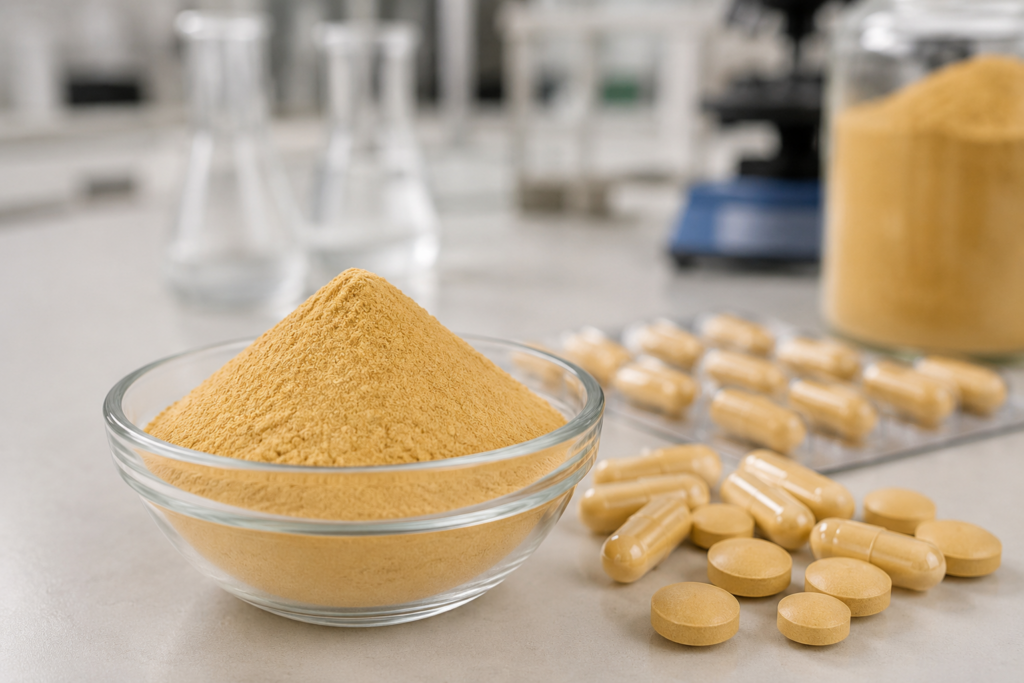
Modern Pharmaceutical Formulation Requires More Than Traditional Excipients Pharmaceutical companies today are under increasing pressure to improve: drug delivery efficiency formulation stability bioavailability patient compliance controlled release performance formulation reproducibility regulatory compatibility At the same time, formulation scientists and pharmaceutical manufacturers are facing major challenges with many traditional excipients: limited functionality poor biodegradability synthetic polymer concerns scalability limitations inconsistent release profiles weak mucosal interaction increasing regulatory scrutiny This is why pharmaceutical companies, CDMOs, biomedical developers, and advanced formulation teams are increasingly searching for a reliable chitosan excipient supplier capable of supporting modern pharmaceutical innovation. At Chitosan Global, we supply pharmaceutical-grade chitosan and advanced chitosan derivatives designed for: oral drug delivery sustained-release systems nanoparticle formulations hydrogel technologies biomedical applications mucoadhesive systems pharmaceutical coating technologies Our solutions are designed to help pharmaceutical companies improve formulation performance while supporting long-term product scalability. What Is Chitosan as a Pharmaceutical Excipient? Chitosan is a naturally derived cationic biopolymer obtained through the deacetylation of chitin. In pharmaceutical systems, it functions as a highly versatile excipient with multiple formulation benefits. Unlike conventional excipients that serve only a single purpose, pharmaceutical-grade chitosan can simultaneously contribute to: binding film formation controlled release permeability enhancement mucoadhesion stabilization encapsulation antimicrobial protection Because of its biocompatibility and functional versatility, chitosan has become increasingly important in advanced pharmaceutical and biomedical research. Today, chitosan is widely explored in: tablets capsules oral films nanoparticles microspheres hydrogels injectable systems wound care formulations tissue engineering systems transmucosal drug delivery Why Pharmaceutical Companies Are Switching to Chitosan-Based Excipients Improved Drug Delivery Performance One of the biggest reasons pharmaceutical companies use chitosan excipients is their ability to improve drug delivery efficiency. Chitosan interacts with biological membranes through its positive charge, helping improve: mucosal adhesion API retention time permeability absorption efficiency localized drug delivery This is especially important in modern formulations where maximizing bioavailability is critical. Chitosan-based systems are widely researched for: oral drug delivery nasal delivery systems buccal delivery ocular systems intestinal delivery colon-targeted release Pharmaceutical researchers often choose chitosan because it helps extend drug contact time at absorption sites. Related advanced delivery technology: trimethyl chitosan for oral delivery systems Why Mucoadhesion Matters in Pharmaceutical Formulation Traditional excipients often fail to maintain prolonged interaction with mucosal tissues. Chitosan’s natural cationic structure allows strong interaction with negatively charged mucosal surfaces, improving: drug residence time absorption window duration sustained interaction formulation efficiency This makes pharmaceutical-grade chitosan highly valuable in: oral thin films nasal sprays transmucosal delivery gastrointestinal formulations targeted absorption systems Chitosan as a Controlled-Release Pharmaceutical Excipient Controlled-release pharmaceutical systems continue growing rapidly because they help improve: patient compliance dosing frequency therapeutic consistency formulation efficiency Chitosan functions as an effective matrix polymer in: sustained-release tablets encapsulation systems microspheres nanoparticle carriers hydrogel systems Its polymeric structure helps regulate: drug diffusion hydration behavior release kinetics swelling properties This allows formulation teams to design advanced release systems with more predictable performance. Why Chitosan Is Used in Modern Oral Drug Delivery Systems Oral delivery remains one of the most important pharmaceutical markets globally. However, many APIs suffer from: poor absorption enzymatic degradation limited permeability instability in gastrointestinal environments Advanced chitosan derivatives such as trimethyl chitosan (TMC) are increasingly used to improve permeability and oral bioavailability. These systems are widely researched for: peptide delivery protein delivery nutraceutical formulations oral vaccines sensitive APIs Chitosan as a Tablet Excipient Pharmaceutical-grade chitosan is widely used in tablet manufacturing because of its multifunctional behavior. It can function as: tablet binder matrix former coating material disintegrant modifier release-control polymer Benefits include: improved tablet hardness controlled dissolution behavior better structural integrity enhanced coating performance formulation flexibility Compared with many synthetic binders, chitosan also offers additional biological compatibility advantages. Chitosan for Capsule Formulation Systems Capsule manufacturers increasingly use chitosan-based systems to support: API protection moisture control dissolution management stability enhancement Pharmaceutical chitosan can help improve formulation consistency in both: hard capsule systems advanced encapsulation technologies Its film-forming properties also make it valuable for pharmaceutical coatings and protective encapsulation layers. Pharmaceutical Nanoparticle Delivery Systems Using Chitosan Nanoparticle drug delivery is one of the fastest-growing pharmaceutical research sectors. Chitosan is widely used in nanoparticle systems because of its: biocompatibility positive surface charge encapsulation capability permeability-enhancing properties Pharmaceutical researchers use chitosan nanoparticles in studies involving: oral delivery enhancement targeted delivery systems sustained-release technologies gene delivery research peptide delivery vaccine delivery systems The polymer’s ability to form nano-scale delivery structures makes it highly attractive for advanced pharmaceutical R&D. Chitosan Hydrogels in Biomedical & Drug Delivery Systems Hydrogel technologies are becoming increasingly important in modern biomedical engineering. Carboxymethyl chitosan and related derivatives are widely used in hydrogel systems because of their: water solubility swelling behavior biocompatibility gel-forming capability Applications include: wound healing systems injectable hydrogels tissue engineering scaffolds localized drug delivery regenerative medicine systems Related hydrogel technology → carboxymethyl chitosan for hydrogels Why Molecular Weight Matters in Pharmaceutical Chitosan Molecular weight is one of the most critical pharmaceutical formulation variables. Different molecular weight ranges affect: viscosity permeability release profile swelling behavior dissolution performance encapsulation efficiency Lower Molecular Weight Chitosan Typically provides: higher solubility lower viscosity improved permeability better interaction in nanoparticle systems Higher Molecular Weight Chitosan Typically supports: stronger film formation improved matrix stability sustained-release systems hydrogel structural integrity This is why pharmaceutical formulation teams carefully select molecular weight ranges depending on the application. Degree of Deacetylation (DDA) and Pharmaceutical Performance Degree of deacetylation significantly impacts pharmaceutical functionality. Higher DDA often influences: cationic charge density mucoadhesion solubility behavior polymer interaction antimicrobial behavior Pharmaceutical buyers frequently evaluate DDA because it directly affects formulation reproducibility and consistency. Types of Chitosan Used in Pharmaceutical Formulations Standard Pharmaceutical-Grade Chitosan Widely used for: tablets coatings sustained-release systems binding applications Benefits include: strong film formation matrix stability formulation flexibility Chitosan Oligosaccharide (COS) Chitosan oligosaccharide offers: lower molecular weight higher solubility improved biointeraction enhanced permeability potential Frequently explored in: nutraceutical systems oral delivery technologies advanced absorption applications Trimethyl Chitosan (TMC) Trimethyl chitosan is one of the most advanced pharmaceutical chitosan derivatives. It is widely researched for: permeability enhancement oral drug delivery mucosal transport systems